
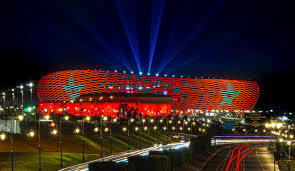
Morocco suffered a narrow 1-0 loss to Senegal in the AFCON 2025 final at Prince Moulay Abdellah Stadium, a painful defeat that denied them the continental title despite a strong performance.
According to moroccoworldnews, the Atlas Lions dominated proceedings but fell victim to Senegal’s opportunistic style, leaving Moroccan fans in despair as their continental dreams slipped away on home soil.
However, the remarkable financial returns from hosting the continent’s premier football tournament have transformed disappointment into economic triumph, providing substantial compensation for the title that has eluded Morocco since 1976.
The Moroccan government has calculated direct revenues from staging the 24-team tournament at over €1.5 billion (MAD 16 billion), according to Industry and Commerce Minister Ryad Mezzour in statements to Spanish news agency EFE. These earnings have funded 80% of the infrastructure needed for the 2030 World Cup, which Morocco will co-host with Spain and Portugal.
Mezzour described a “double effect” in revenues and investments, driven by approximately 600,000 tournament-specific visitors. This influx integrated into a record tourism year for Morocco, with 20 million arrivals representing 14% growth.
The visitor flows dynamized transport, hospitality, restaurants, and handicrafts sectors, providing immediate liquidity injection to the local economy.
The minister characterized the €2.3 billion invested in the tournament as a “sovereign investment” in lasting infrastructure. Nine stadiums were built or rehabilitated alongside road networks, airports, and services.
“We gained a decade of development in 24 months and provided the kingdom with infrastructure that will serve citizens for the next 50 years,” Mezzour stated.
Morocco’s capacity to triple its tourism in just 20 years now threatens Spain’s traditional dominance in the sector. The employment impact represents a “source of pride,” with over 100,000 jobs created.
“These are not just temporary jobs: thousands of young people have been trained according to international standards, acquiring lasting employability beyond 2025,” he specified. More than 3,000 industrial companies participated in the construction works.
