
By Chioma Amaryllis Ahaghotu
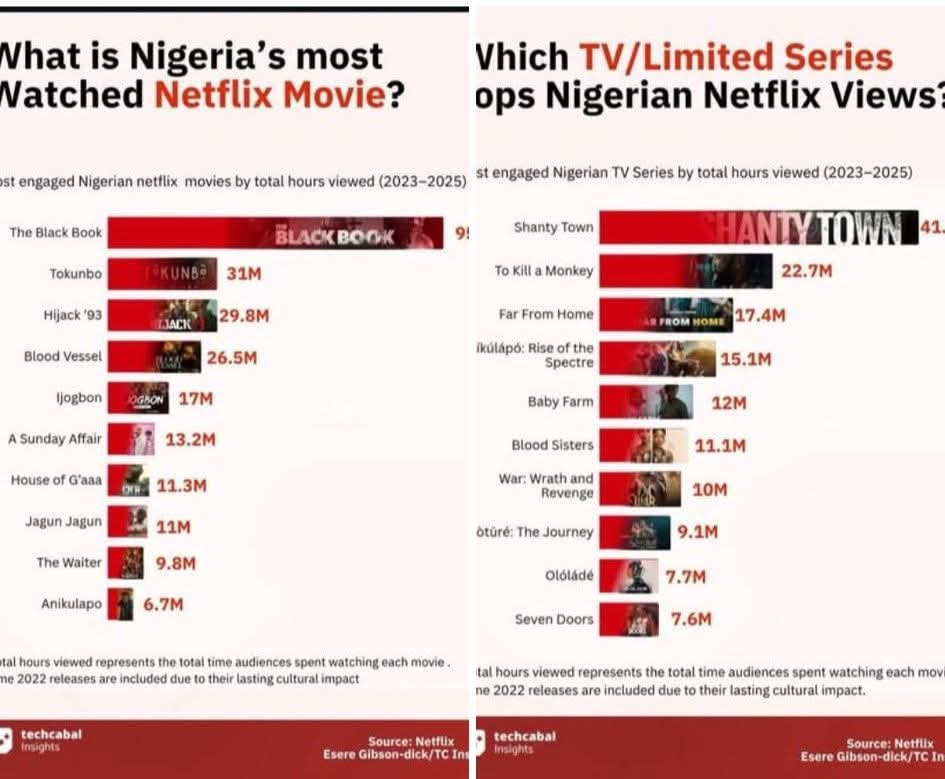
Nigeria produces over 2,500 films every year. The second-largest film industry in the world by volume. And yet, Nigerians barely watch Nigerian films. We scroll past them, pirate them, reduce them to memes and punchlines.
Meanwhile, those same films are watched abroad and shaping how Africa is perceived globally. Outside Nigeria, people are paying to consume our stories. At home, we treat them like background noise.
That contradiction alone is enough to cripple any industry.
Yes, streaming is expensive. Data costs are outrageous. Subscriptions are not cheap. Those are valid concerns. But let’s not hide behind them. Nigerians binge foreign content daily using borrowed passwords, shared Wi-Fi, pirated platforms, Telegram channels, and forwarded links. Piracy in Nigeria is not purely economic. It is behavioral. It reflects how we assign value. We will go out of our way to access foreign content, but when it comes to our own, convenience suddenly becomes an excuse.
Add poor network infrastructure, buffering, and uneven production quality, and Nollywood becomes easy to dismiss as “not worth paying for.” But those are surface symptoms. They are not the root disease.
The real problem is cultural.
Nigerians have a complicated relationship with their own storytelling. We demand perfection from Nollywood while granting patience and grace to foreign industries that spent decades evolving. Hollywood was not built overnight. Korean cinema was once dismissed globally. European film industries were sustained through policy support, cultural pride, and patient domestic audiences. Nigerians, however, expect Nollywood to be world-class while simultaneously starving it of the audience loyalty that allows industries to mature.
READ: News: ₦1.77bn Box Office Run Propels Behind The Scenes To New Nollywood Milestone
We mock our stories for being exaggerated, yet Nigerian life itself is exaggerated. We laugh at plots being dramatic, yet our social, political, and religious realities often mirror that same intensity. Nollywood does not just create narratives. It archives Nigerian society in real time. Our anxieties. Our aspirations. Our contradictions. When we dismiss Nollywood, we are often dismissing reflections of ourselves that make us uncomfortable.
That cultural distancing has consequences. Budgets remain constrained because local returns remain unpredictable. Writers recycle familiar formulas because experimentation is financially dangerous. Producers prioritize speed over refinement because sustainability depends on volume. Innovation requires patience from both creators and audiences, and Nollywood is rarely granted that patience domestically.
But accountability does not end with the audience.
Actors themselves contribute to the credibility gap within the industry. Professionalism is not just about talent or popularity. It is about discipline. Preparation. Respect for production timelines. Too often, set delays, inadequate character preparation, and inconsistent performance standards quietly undermine projects before they reach audiences. These inefficiencies increase production costs and compress post-production timelines, which directly affects quality. Audiences may not see what happens behind the scenes, but they absolutely feel it in the final product.
Global recognition does not come from visibility alone. It comes from consistency. Industries earn respect when excellence becomes routine, not occasional. Nollywood has immense talent, but talent without structure cannot sustain global competitiveness.
Still, the most uncomfortable truth remains that Nigerians will pay for entertainment. Just not consistently for Nigerian entertainment.
And the irony is striking. The same audiences that withhold financial support often dominate online conversations about declining standards. Critique is necessary for growth, but critique without investment becomes performance. It is easy to demand better when you are not participating in the ecosystem that funds improvement.
This is not just an economic failure. It is a cultural contradiction. It signals a deeper discomfort with valuing local creative labor unless it receives foreign validation first.
Nollywood often has to succeed internationally before Nigerians reconsider its worth domestically. That pattern delays industry growth and shifts creative direction toward foreign consumption rather than authentic local storytelling.
If this continues, Nollywood will increasingly be shaped by external markets while domestic audiences lose cultural ownership of the narratives being produced in their name.
The solutions are not abstract. Streaming platforms must align pricing models with Nigerian economic realities. Telecommunications companies must create data plans that reflect entertainment consumption patterns, not just communication usage. Anti-piracy enforcement must be accompanied by accessibility reforms that make legal viewing simpler than illegal alternatives. Filmmakers must continue investing in script development, production design, and storytelling depth that prioritizes longevity over speed. Actors must approach their craft with preparation, training, and professional accountability that strengthens industry credibility.
But structural reforms alone will not sustain Nollywood if cultural attitudes remain unchanged.
Stop scrolling past Nollywood.
Stop treating local storytelling as inherently inferior.
Stop mocking the very industry that preserves Nigerian identity on screen.
Watch it. Pay for it. Engage with it critically but responsibly. Demand improvement while contributing to the ecosystem that funds that improvement.
If Nigerians do not intentionally support Nollywood, the industry will continue generating wealth and cultural influence abroad while Nigerians become passive observers of their own narratives. We will watch our culture travel the world, generate revenue, and shape global perceptions while domestic audiences remain disconnected from the very stories that represent them.
Nollywood belongs to Nigerians. It always has. Cultural industries do not collapse because of a lack of talent. They collapse when the people they represent refuse to sustain them.
You cannot demand world-class storytelling from an industry you are unwilling to stand behind.
Nollywood na our own!! Let’s treat it accordingly!
