
Nigeria’s hospitality and tourism industry is increasingly placing emphasis on accessibility, connectivity, and ease of travel as critical factors influencing destination competitiveness.
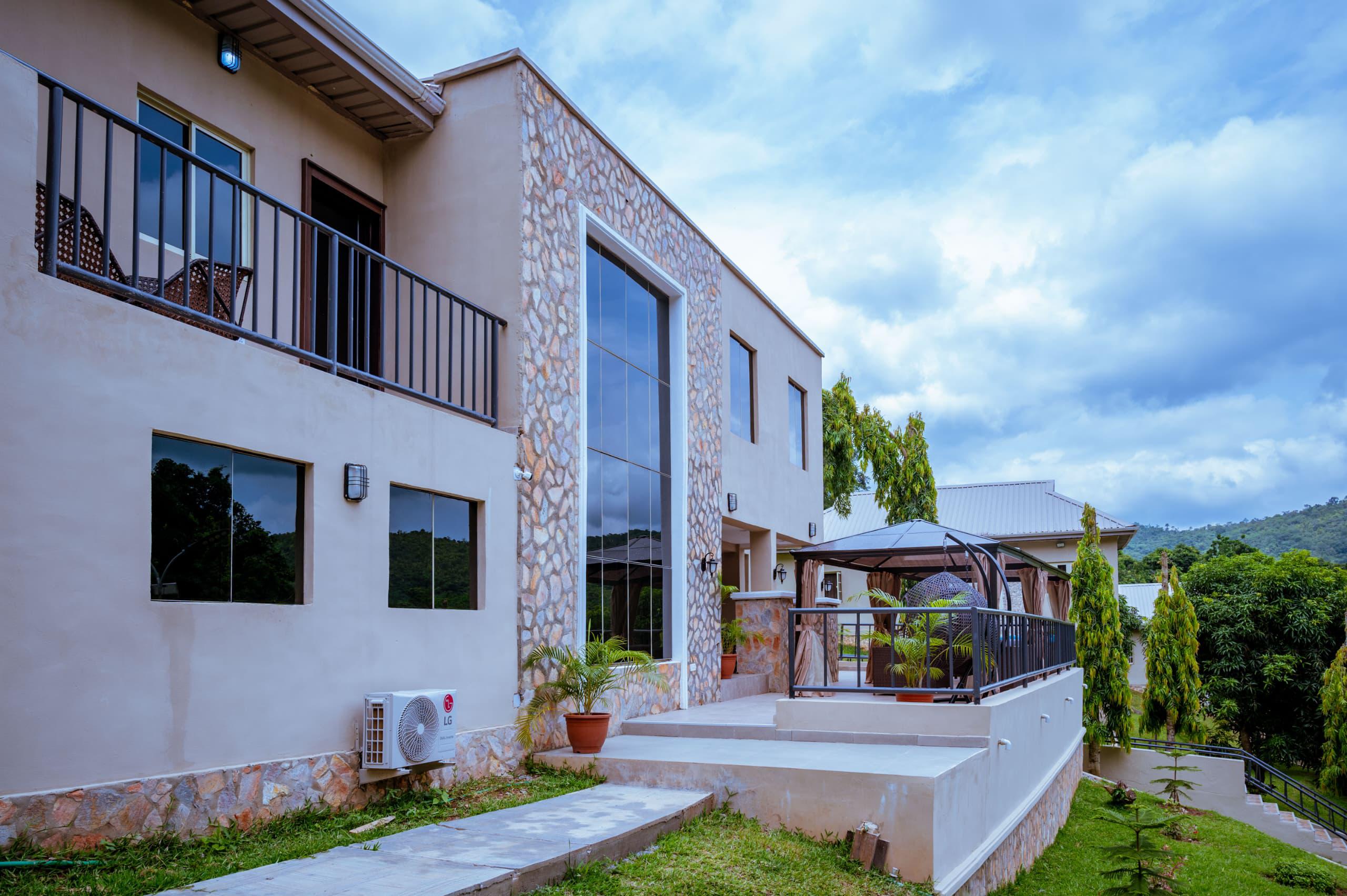
This shift is becoming more evident at Ikogosi Warm Springs Resort, where ongoing improvements in travel access and transportation coordination are strengthening the resort’s position as a leading destination for leisure, corporate retreats, conferences, and institutional gatherings.
Ikogosi Warm Springs Resort is widely recognised for its unique warm and cold springs, serene natural environment, and expanding Meetings, Incentives, Conferences, and Events (M.I.C.E) offerings. In recent years, accessibility to the resort has become increasingly streamlined through improved regional connectivity and structured guest movement support.
The resort benefits from proximity to both Akure Airport and Ado Ekiti Airport, providing travellers with multiple entry points into the region from major cities such as Lagos and Abuja.
Industry stakeholders note that accessibility is now a major consideration for both leisure travellers and organisations planning executive retreats, conferences, strategy sessions, and corporate engagements.
According to Francis Ogosi, hospitality manager of Glocient Hospitalilty, destinations that successfully combine accessibility with a premium experience are increasingly becoming more attractive to business leaders and event decision-makers seeking alternatives to heavily congested urban locations.
He further noted that modern tourism development extends beyond physical infrastructure to include transportation coordination, operational efficiency, and visitor confidence.
According to him, hospitality destinations must now prioritise not only guest comfort, but also how seamlessly travellers can move from arrival to destination experience.
At Ikogosi, transportation arrangements can be coordinated for guests and groups arriving through key access points, helping to simplify travel logistics and improve the overall guest experience.
Observers say this coordinated approach is particularly important within Nigeria’s growing M.I.C.E industry, where ease of movement, time management, and operational structure significantly influence destination selection.
Speaking on broader industry trends, analysts note that hospitality destinations are increasingly being evaluated not only by aesthetics and accommodation quality, but also by how secure, accessible, and professionally managed they are.
For many organisations, destinations that provide a balance between accessibility, serenity, and operational coordination are becoming more appealing for leadership retreats and high-level engagements.
Ikogosi’s evolving positioning reflects a wider shift within the Nigerian hospitality landscape, where destination accessibility is gradually becoming a strategic advantage rather than simply a logistical consideration.
Industry experts believe that as tourism infrastructure continues to improve across Nigeria, destinations that prioritise connectivity and structured guest experience will play a significant role in shaping the future of domestic tourism and hospitality investment.
