
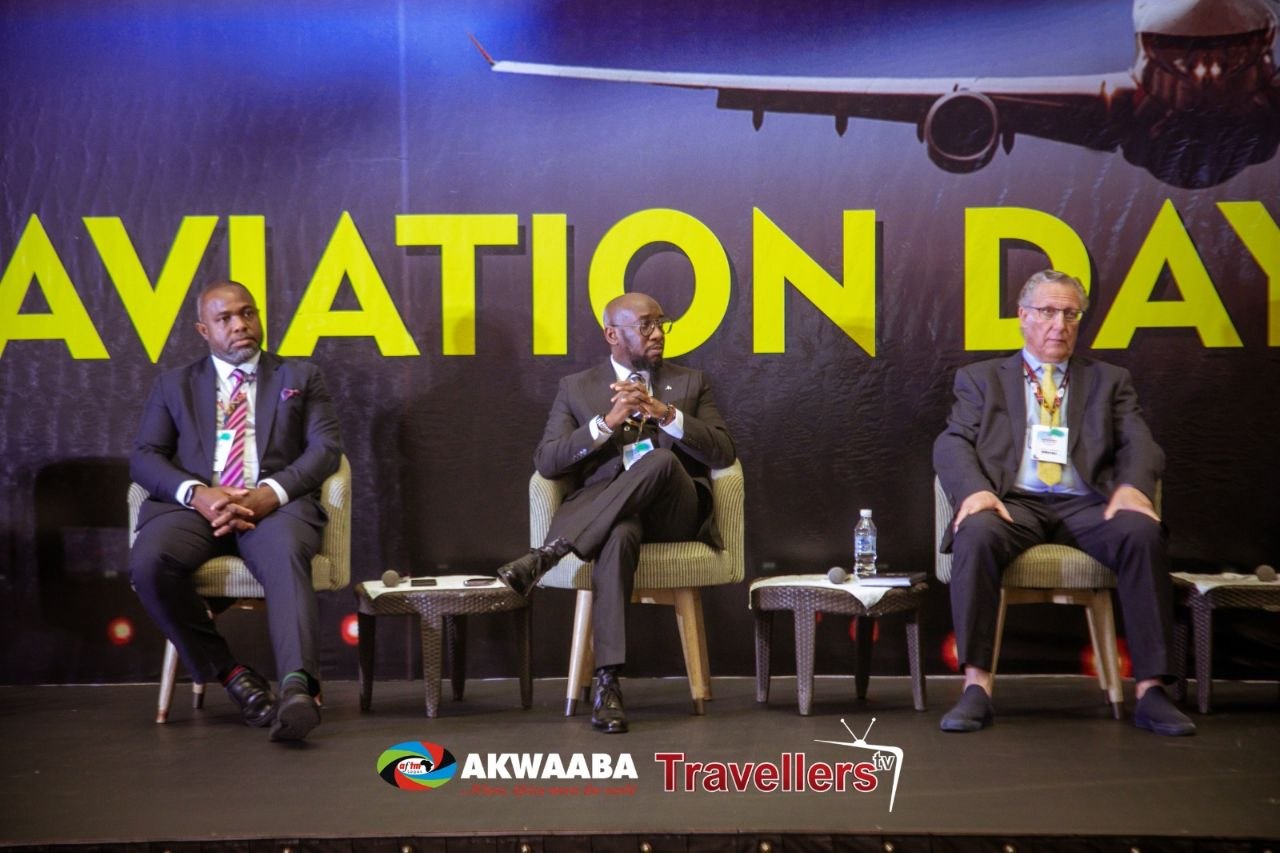
The Chief Operating Officer of Murtala Muhammed Airport Terminal 2 (MMA2), Remi Jibodu, has called on aviation regulators and airlines to consider adopting a slot coordination system at Nigerian airports to reduce congestion and mitigate flight delays.
Jibodu made the call during the Aviation Day of the 22nd Akwaaba African Travel Market in Lagos, where aviation stakeholders examined the challenges surrounding “Delayed and Cancelled Flights: The Rules and the Rights of Passengers — The Airport Perspective.”
Speaking as a panellist, Jibodu said flight delays and cancellations were caused by several factors, some of which were beyond the control of airlines and airport operators.
He identified the concentration of flight departures during peak periods, particularly around 7 a.m., as one of the factors contributing to congestion and delays at airports.
According to him, thousands of passengers arrive at airports in the morning to board flights, while several airlines often schedule their departures around the same time.
“There are instances where more than 10 airlines have 7 o’clock flights, and with that, it is almost impossible not to have a delay in the morning,” Jibodu said.
He argued that better coordination among airlines could help spread flight movements and reduce pressure on airport facilities during peak periods.
“What we can do at that point in time is to have a coordinated system, which means that we have to collaborate with the airlines to say instead of having everybody going out at 7 o’clock, can we stagger it a little bit?” he said.
Jibodu said Nigeria might not necessarily need to immediately implement a comprehensive slot system across all airports, but some form of slot coordination could help manage peak-hour traffic.
“The truth is that at this point, we have to look at the slot system to see how we can coordinate it. It may not be a full slot system, but we must be able to give a little bit of concession to that,” he said.
A coordinated approach, he explained, would enable airports and airlines to better manage passenger flows, aircraft movements and available airport infrastructure.
His comments came amid continuing concerns over flight delays and cancellations in Nigeria, with passengers frequently affected by disruptions arising from operational, weather, technical and airport-related factors.
Jibodu also addressed concerns over traffic congestion on the road leading to the airport, saying the airport authority was considering changes to the road infrastructure to improve vehicular movement within the airport environment.
He said plans were being considered to remove or modify the roundabout leading to the airport, with the objective of improving traffic flow and reducing the gridlock experienced by travellers.
The MMA2 executive said addressing congestion both within the airport and on access roads would require coordination among the relevant stakeholders.
The Aviation Day session provided a platform for airport operators, airlines and other industry stakeholders to discuss the responsibilities of different players in addressing flight disruptions and protecting passengers’ rights.
Jibodu’s proposal for greater coordination of flight schedules adds to ongoing discussions within Nigeria’s aviation industry on how airport capacity can be better managed as passenger and aircraft movements increase.
