
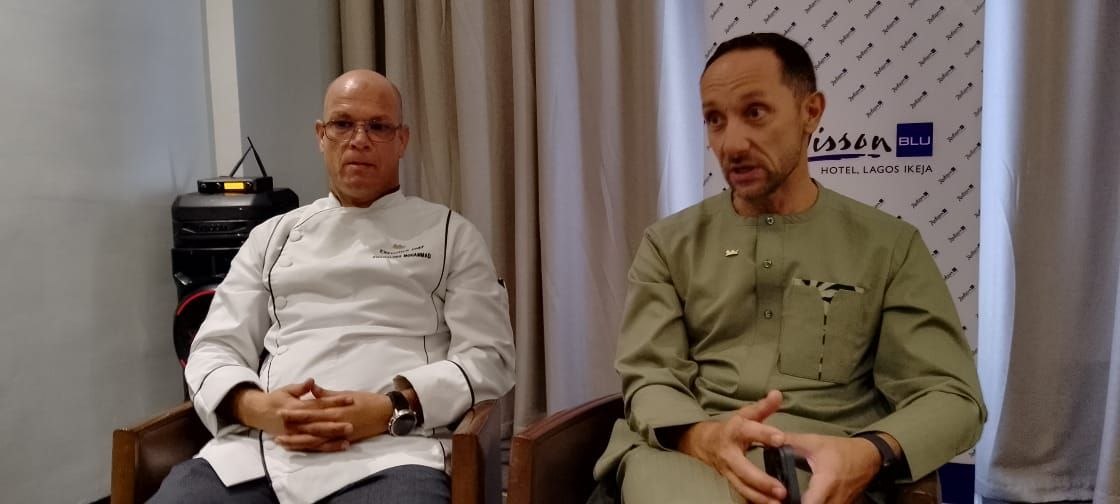
Radisson Blu Hotel, Lagos Ikeja, is introducing an expanded festive dining programme featuring premium meat cuts, seafood, Nigerian-inspired international cuisine, Christmas desserts and family-oriented activities as part of its plans to deliver a distinctive holiday experience to guests.
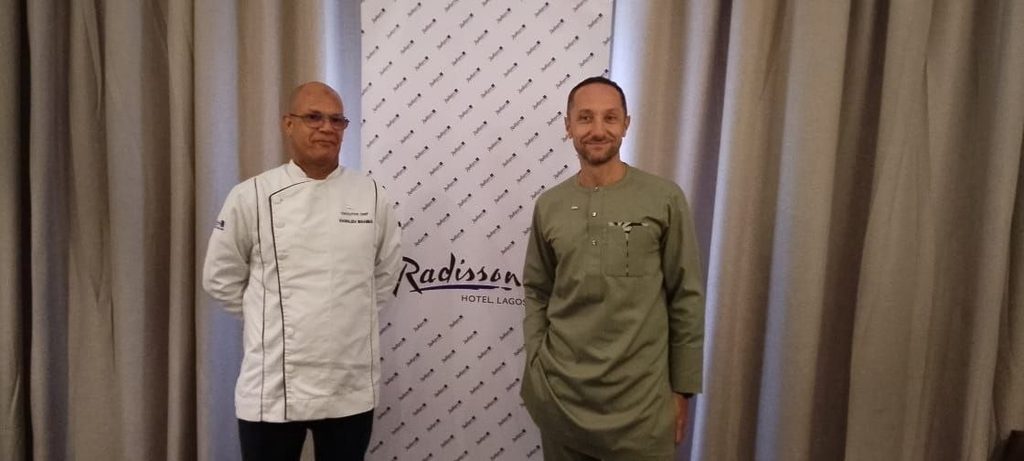
The hotel’s Executive Chef, Khawaldeh Mohammad, disclosed this during an interaction with journalists as the property marks its 10th anniversary, explaining that the Christmas programme had been carefully designed to combine international culinary standards with Nigerian flavours.
According to Mohammad, the hotel’s Christmas brunches will run for two days across its dining restaurants, featuring a specially curated selection intended to appeal to both local and international guests.
“We have blended a very selective menu for the Christmas brunches in all the dining restaurants. And that will be continued for two days,” he said.
Among the highlights is a specially prepared brined turkey, which the chef explained would undergo a 48-hour marination process, alongside premium meat selections such as prime ribs and a variety of seafood.
He said the menu would also feature locally inspired dishes prepared with international techniques, ensuring that the food retains its authenticity while meeting the expectations of the hotel’s diverse clientele.
Mohammad disclosed that the hotel was also finalising a seven-course set menu for its steakhouse, with an emphasis on premium ingredients, international presentation and local flavours at an affordable price point.
Beyond the main dining outlets, the hotel is preparing to introduce an expanded concept at its outdoor Cascade outlet, scheduled for launch in January 2027.
Previously designed around barbecue and authentic Nigerian suya, the outlet will feature additional food varieties and a selected beverage menu under the new concept.
READ: Africa: Radisson Blu Lagos Ikeja Celebrates 10 Years with Festive Offers, Facility Upgrades
The chef also disclosed plans for children’s activities supported by special food packages, giving younger guests an opportunity to enjoy activities and take home a package as a reminder of their experience at the hotel.
Another festive attraction will be Chocolaté, where the culinary team is preparing homemade Christmas desserts and decorations, including internationally recognised festive treats and gingerbread houses.
Mohammad said preparations for the Christmas displays were already about 70 per cent complete, with the hotel expecting the full festive presentation to be unveiled before the end of November.
He added that separate packages were being developed for New Year celebrations, including countdown activities, buffet offerings and selected imported food products.
The hotel is equally preparing special menus and an atmosphere for corporate end-of-year celebrations, with pricing designed to attract companies seeking venues for staff gatherings and festive events.
On the challenges facing food and beverage operations in Nigeria, Mohammad identified supply-chain limitations as a major concern for international hotels, particularly the availability, quality and cost of imported ingredients.
He said the difficulties extended across Japanese, Asian, Indian, Middle Eastern and European food products, as well as specialised bakery and pastry ingredients.
Using Japanese and Asian products as an example, he explained that suppliers sometimes presented lists containing about 150 items, but only approximately 30 were available in the local market.
He attributed the shortages partly to limited supplier networks, high prices and difficulties delivering small quantities to hotels located outside suppliers’ immediate operating areas.
“The supply chain here still not meet the international standard where you have a lot of gap for the product availability in the country,” he said.
The chef also called for greater awareness and compliance with the Association of Serviced Apartment Providers (ASAP) standards among suppliers, noting that improved knowledge of food handling and supply requirements would benefit the hospitality industry.
He urged the government to provide greater support for access to international food products, while encouraging local suppliers to improve their facilities and product standards.
Mohammad further advocated investment in hospitality education and professional training to strengthen the skills of Nigerian chefs, noting that many local workers were hardworking but needed better institutional support and exposure to international standards.
He said improving the supply chain and developing local culinary talent would help hotels maintain food quality, offer greater menu variety and provide more competitive prices.
On preparations for the December rush, the chef said the hotel had reviewed previous operational challenges and was taking steps to improve capacity and service delivery.
He cited the hotel’s ability to manage a lunch service for 400 guests and a dinner service for 300 guests on the day of the interview as evidence of its operational readiness.
“With General Manager’s support, instruction, and with our team gap analysis for the last year happening, we are avoiding those things. And this year it will be remarkable,” he said.
Mohammad assured guests that the hotel was committed to delivering improved food variety, quality and value during the festive period, adding that the culinary team was working to make this year’s Christmas experience different from previous editions.
