

Rwanda has long been synonymous with mountain gorillas, drawing visitors from around the world to the misty forests of Volcanoes National Park for a rare glimpse of these majestic primates. But in recent years, the country has been redefining its tourism strategy, shifting towards a high-value, low-impact model that extends beyond gorilla trekking.
According to Webin Travel, during the “Spotlight: Rwanda” panel at WiT Africa in Cape Town, industry leaders James Bailes (Director, Singita) and Fouad Caunhye (Chief Commercial Officer, RwandAir) shared insights on Rwanda’s ambitious tourism strategy, conservation efforts, and growing economic influence.
Rwanda’s economic rise: A ‘Singapore of Africa’ approach
Moderator Stephan Ekbergh, CEO of Travelstart, opened by highlighting Rwanda’s impressive trajectory. Ranked second highest in Africa on the World Bank’s Doing Business Report, Rwanda has earned the nickname the “Singapore of Africa” for its rapid economic growth, and strong governance focused on development. Despite a relatively small GDP of $13.66 billion (2024), Rwanda stands out for its 90% mobile penetration, Africa’s lowest murder rate, and a strong emphasis on sustainable development. But perhaps the most remarkable transformation is the role of women in rebuilding the nation after the 1994 genocide.
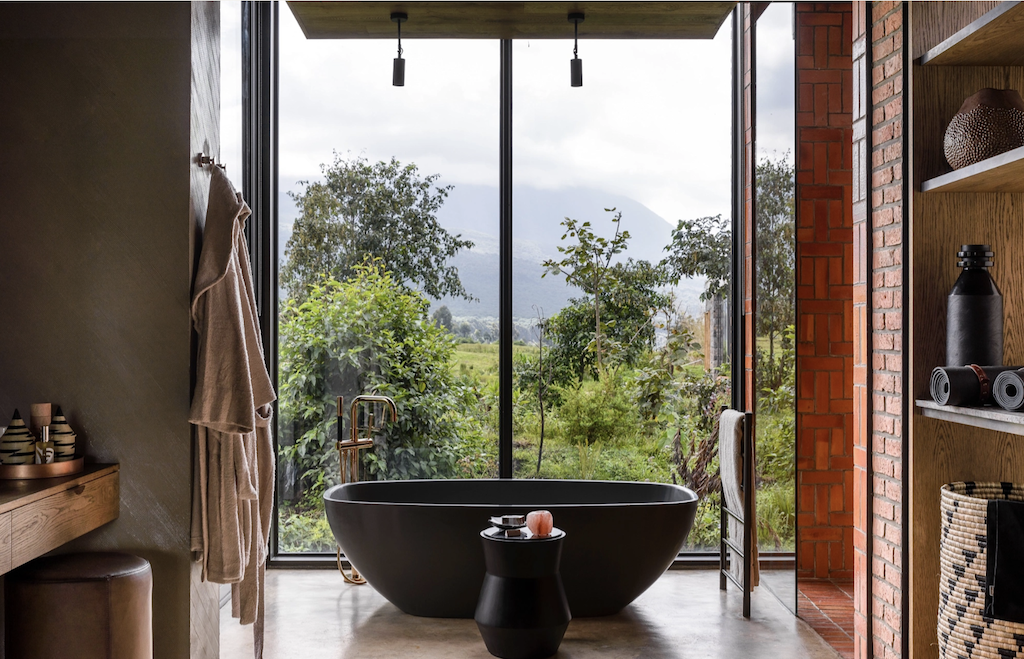
“Rwanda has the highest percentage of women in parliament globally – over 60%, and women were at the forefront of peacebuilding and reconciliation, leading initiatives such as community courts (Gacaca), economic cooperatives, and education programmes,” said Ekbergh.
Conservation through hospitality: A high-value, low-impact model
When it comes to tourism, Rwanda follows a clear philosophy: high-value, low-impact travel – a model similar to Botswana’s. The government sees hospitality as a tool for conservation, ensuring that tourism development aligns with environmental protection. “Rwanda has a national plan with clearly defined priorities, blending conservation and tourism,” said Bailes, whose family has been involved in conservation and hospitality in Africa for close to a century. “The collaboration between the private and public sectors is exceptional, with minimal red tape.”
Bailes related the story of how Singita, which operates 19 lodges, camps, and villas in Rwanda, Tanzania, South Africa, Zimbabwe and Botswana, entered Rwanda. “One day, a prominent South American investor visited the gorillas and the president was very excited. He asked the investor, where are you staying? The investor said he was flying out right after so he didn’t need a hotel. “The next day, the president called us and asked if we could develop a high-end lodge. He then assigned someone from the department to reduce the red tape.”
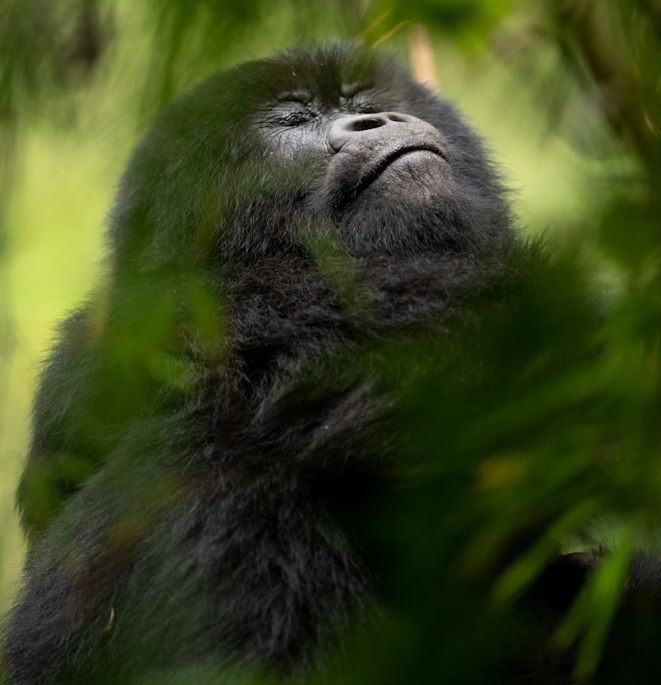
That conversation set in motion what would become Singata Kwitonda Lodge, a luxury safari retreat on the edge of Volcanoes National Park, home to a third of the world’s remaining mountain gorillas. The journey took nearly a decade – four to five years of engagement to find the right site, followed by another four to five years of development. “It’s a long journey,” said Bailes. “What makes Rwanda special too is it has specifically selected niches in which it has chosen to be world class – one of these is a national plan around gorilla habituation.”
This fits in with Singita’s core mission, said Bailes. “We’ve been redefining the luxury safari experience over three decades and our purpose is to preserve and protect large cuts of African wilderness for future generations.”
Rwanda’s long-term tourism play: Air travel as a growth engine
Expanding tourism requires more than just luxury lodges – it demands connectivity. This is where RwandAir, one of Africa’s fastest-growing airlines, plays a key role.
“Rwanda carefully selects partners and projects that align with its eco-friendly, long-term vision,” said Fouad Caunhye. “This isn’t short-term thinking – it’s about sustainable, strategic growth.” In 2024, Qatar Airways acquired a minority stake in RwandAir, boosting Rwanda’s aviation sector. This followed a $1.3 billion investment in a new international airport, designed to handle seven million passengers annually in its first phase, with plans to expand to a capacity of 14 million passengers per year by 2032.
RwandAir now serves 23 destinations across 20 countries, positioning Kigali as a vital transit hub, with major routes to London, Paris, Brussels, Dubai, and Doha.
Caunhye, who previously worked with Emirates and Qatar Airways, said the airline’s mission is to build on the West African link for Qatar, and vice versa – “feeding Africa and back with Doha as the hub”. He said South Africa was one of Rwanda’s biggest markets and inbound visitors are high-yield, spending an average of $4,000-$5,000 per person, with an average length of stay at seven days.
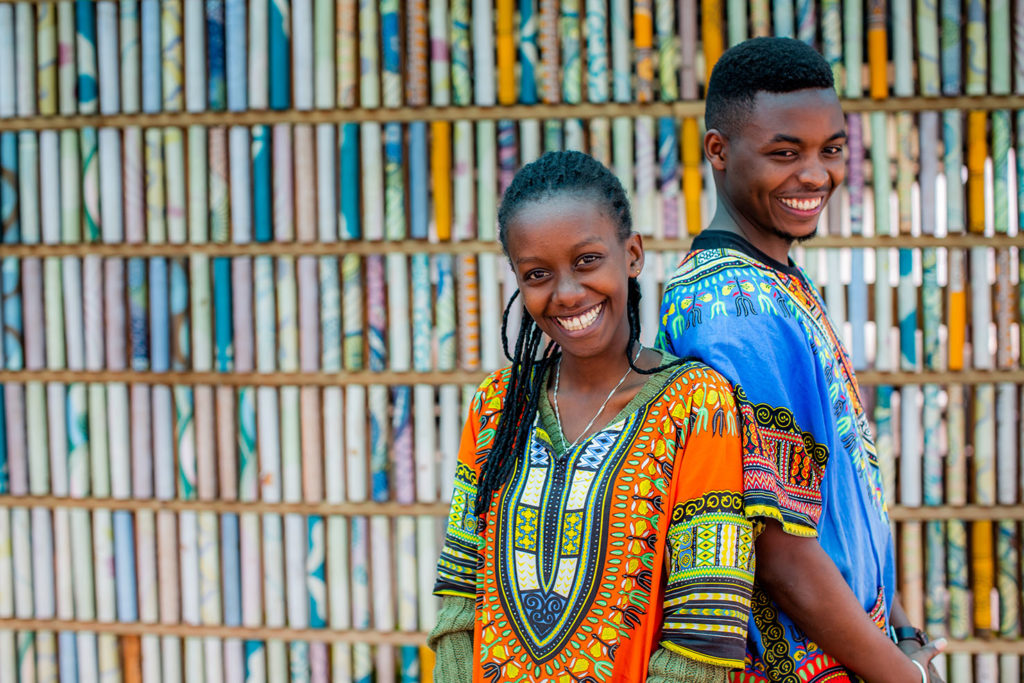
In 2022, tourism ranked as Rwanda’s leading foreign exchange earner, generating $445 million, a 171.3% increase from 2021. In 2023, it was the fourth most-visited African destination with 1.4m visitors, after South Africa’s 9.6m, Kenya’s 1.48m and Tanzania’s 1.8m.
Beyond gorillas: Kigali’s cultural renaissance and tech ambitions
While gorilla trekking remains Rwanda’s biggest tourism draw, the country is diversifying its attractions. “Beyond gorillas, there’s Akagera National Park, offering a Big Five safari experience. Nyungwe Forest is one of the most pristine rainforests in Africa,” said Bailes. “And then there’s Kigali, one of the most vibrant cultural cities in the world, with incredible restaurants and a thriving arts scene.”
Technology is also a major focus. Kigali Innovation City, a hub for startups and tech investments, is positioning Rwanda as a leader in African innovation. The project is a partnership between Africa50 and the Rwanda Development Board, and its ambition is to create 50,000 jobs, $150m in ICT exports and 2,600 university graduates from four universities, one of which is Carnegie Mellon University Africa. Caunhye said RwandAir was heavily invested in using technology, such as using AI in aviation, predicting weather patterns and optimizing flight paths. “It’s part of a broader strategy to make Rwanda a tech-driven nation.”
A ‘startup nation’ with a unified vision
What sets Rwanda apart from other African nations? According to the panel, it’s the seamless collaboration between government and private enterprise. “The country operates almost like a startup—one heart, one mind,” observed Ekbergh. Added Caunhye. “When I first visited in Kigali in 1996, Rwanda was still recovering from unimaginable devastation. Today, it’s a bold experiment in progress – one that’s working.” And beyond tourism and technology, there’s one more thing Rwanda excels at. “The coffee is the best in the world,” Caunhye added with a smile.
