
Africa’s aviation sector continued its upward trajectory in May 2026 as increasing passenger demand for regional and international travel boosted activity across the continent’s leading airports.
The latest ranking of Africa’s 10 busiest airports highlights the growing importance of key aviation hubs in connecting business, tourism and trade markets amid sustained expansion in air transport services.
According to the International Air Transport Association (IATA) monthly updates, published on nairametrics.com, international passenger demand in Africa has been growing steadily for several months, reflecting sustained momentum in the region’s aviation recovery.
This growth has been supported by improving connectivity, stronger airline networks, and increased travel activity across key African markets.
This article presents the ranking of the ten busiest airports in Africa in May 2026 based on data from OAG, a global aviation intelligence platform.
The ranking is determined by departing seats, which measure the total number of seats available on outbound flights, and offers insight into the hubs driving the continent’s aviation growth while supporting tourism, business, and regional connectivity.
10 Hurghada International Airport
Hurghada International Airport ranked tenth among Africa’s busiest airports by departing seats in May 2026, with projected scheduled one-way departing capacity of 435,440 seats, up from 391,125 in May 2025, representing a 16.8% year-on-year increase.
Located about five kilometres southwest of Hurghada city centre, it is Egypt’s second-busiest airport after Cairo International Airport and serves as a major gateway for leisure traffic, particularly from European markets.
The airport operates two terminals, including a modern facility opened in 2014 spanning about 92,000 square metres, equipped with expanded check-in areas, departure gates, and retail services to handle growing passenger volumes.
Hurghada International Airport plays a central role in Egypt’s tourism sector, providing access to the Red Sea resort city’s beaches, diving sites, and watersports destinations, while supporting both domestic and international travel demand.
9 Nairobi Jomo Kenyatta International Airport
Nairobi Jomo Kenyatta International Airport ranked ninth among Africa’s busiest airports by departing seats in May 2026, with projected scheduled one-way departing capacity of 470,221 seats, up from 461,156 in May 2025, representing a 2.0% year-on-year increase.
As Kenya’s primary international gateway, it connects Nairobi to destinations across Africa, Europe, the Middle East, Asia, and North America, supporting a strong mix of tourism, business, and transit traffic.
Located about 15 kilometres southeast of Nairobi’s city centre, the airport operates multiple terminals, including 1A, 1B, and 1C for international departures, 1D for domestic flights, 1E for international arrivals, and Terminal 2 for low-cost and regional carriers.
Despite relatively modest growth compared with some regional peers, Jomo Kenyatta International Airport remains a critical East African aviation hub and a key connector for intercontinental travel.
8 Murtala Muhammed International Airport
Murtala Muhammed International Airport ranked eighth among Africa’s busiest airports by departing seats in May 2026, with projected scheduled one-way departing capacity of 481,133 seats, up from 379,699 in May 2025, representing a 26.7% year-on-year increase—the fastest growth among the top airports.
As Nigeria’s busiest airport, it serves as the country’s primary international gateway, connecting Lagos to destinations across Africa, Europe, and North America, and reinforcing its role as a key West African aviation hub.
The airport operates separate international and domestic terminals located about one kilometre apart but sharing the same runway system, supporting both regional and long-haul traffic flows.
Murtala Muhammed International Airport is currently undergoing major modernization following federal approval of a N712 billion upgrade project, which includes rehabilitation of Terminal 1, expansion of Terminal 2, improved road access, and new connecting facilities designed to enhance operational efficiency and passenger experience.
7 Houari Boumediene International Airport
Houari Boumediene International Airport ranked seventh among Africa’s busiest airports by departing seats in May 2026, with projected scheduled one-way departing capacity of 519,847 seats, up from 481,884 in May 2025, reflecting a 7.9% year-on-year increase.
As Algeria’s primary international gateway, the airport connects Algiers to destinations across Europe, the Middle East, and sub-Saharan Africa, reinforcing its role as a key North African aviation hub.
Located about 16 kilometres southeast of central Algiers in Dar El Beïda, the airport serves more than 80 destinations through around 26 airlines, making it the largest airport in Algeria.
It operates multiple terminals, including Terminal 1 for domestic services, Terminal 2 for charter and pilgrimage flights, and Terminal 4 for international operations, which was opened in 2019 and handles the bulk of international traffic.
6 Cape Town International Airport
Cape Town International Airport ranked sixth among Africa’s busiest airports by departing seats in May 2026, with projected scheduled one-way departing capacity of 542,518 seats, up from 496,328 in May 2025, representing a 9.3% year-on-year increase.
As South Africa’s second-busiest airport, it connects the Western Cape to key domestic and international destinations, supporting strong flows of tourism, business travel, and regional connectivity.
Located about 20 kilometres from Cape Town city centre in Matroosfontein, the airport operates two main terminals, with Terminal 1 handling international flights and Terminal 2 serving domestic routes, including links to Johannesburg and Durban.
With ongoing upgrades and its strategic position as a gateway to South Africa’s tourism and economic hub, Cape Town International continues to play a vital role in regional and global air connectivity.
5 Marrakech Menara International Airport
Marrakech Menara International Airport ranked fifth among Africa’s busiest airports by departing seats in May 2026, with projected scheduled one-way departing capacity of 560,767 seats, up from 509,553 in May 2025, representing a 10.1% year-on-year increase.
As the main international gateway to Marrakesh, the airport connects Morocco’s leading tourism city to destinations across Europe, North America, and the Middle East, serving a strong mix of leisure and business travel demand.
Located about 5 kilometres from the city centre, Marrakech Menara operates two terminals, with Terminal 1 handling most domestic and international traffic. It serves as a hub for Royal Air Maroc and a focus city for Ryanair, supporting a significant share of Morocco’s tourism-driven passenger flows.
The airport continues to play a central role in Morocco’s aviation and tourism economy, providing access to Marrakesh’s historic sites, resorts, and leisure destinations.
4 Casablanca Mohammed V International Airport
Casablanca Mohammed V International Airport ranked fourth among Africa’s busiest airports by departing seats in May 2026, reflecting a projected scheduled one-way departing capacity of 1,021,384 seats, up from 962,115 in May 2025, representing a 6.2% year-on-year increase.
As Morocco’s primary international gateway, the airport connects Casablanca to major destinations across Europe, the Middle East, Africa, and North America, reinforcing its role as a key North African hub for long-haul and regional travel.
The airport’s infrastructure is designed to handle around 14 million passengers and 150,000 tonnes of air cargo annually, supported by more than 16 boarding gates across its terminals, enabling high-volume simultaneous departures and arrivals.
At peak performance, Casablanca Mohammed V has reportedly handled up to 10 million passengers in a single year.
3 O.R. Tambo International Airport
O.R. Tambo International Airport ranked third among Africa’s busiest airports by departing seats in May 2026, with projected scheduled one-way departing capacity of 1,096,679 seats, up from 1,029,124 in May 2025, representing a 6.6% year-on-year increase.
As South Africa’s largest airport and the main hub for South African Airways, it connects Johannesburg to destinations across all six inhabited continents.
The airport operates distinct international and domestic terminals, with the international side handling long-haul and regional traffic while the domestic terminal serves routes within South Africa, supporting high-volume passenger flows across both segments.
O.R. Tambo remains one of Africa’s most connected airports, serving a wide network of regional and global destinations and maintaining its position as a critical aviation hub for the continent’s southern region.
2 Addis Ababa Bole International Airport
Addis Ababa Bole International Airport ranked as Africa’s second-busiest airport by departing seats in May 2026, with projected scheduled one-way departing capacity reaching 1,147,488 seats, up from 1,072,240 in May 2025, reflecting a 7% year-on-year increase.
As the primary hub for Ethiopian Airlines, the airport strengthened its role as one of Africa’s most important transit gateways, connecting East Africa to major destinations across Europe, Asia, the Middle East, and the Americas.
Located about 6 kilometres southeast of central Addis Ababa, Bole International Airport is Ethiopia’s main international gateway and the largest airport in East Africa. Its two-terminal structure supports both domestic and international traffic, while modern amenities, terminal upgrades, and ongoing expansion projects continue to boost capacity.
With ambitious plans to expand annual passenger capacity to 60 million by 2029, Addis Ababa Bole remains central to Ethiopia’s aviation growth and a critical connector for regional and long-haul travel across Africa and beyond.
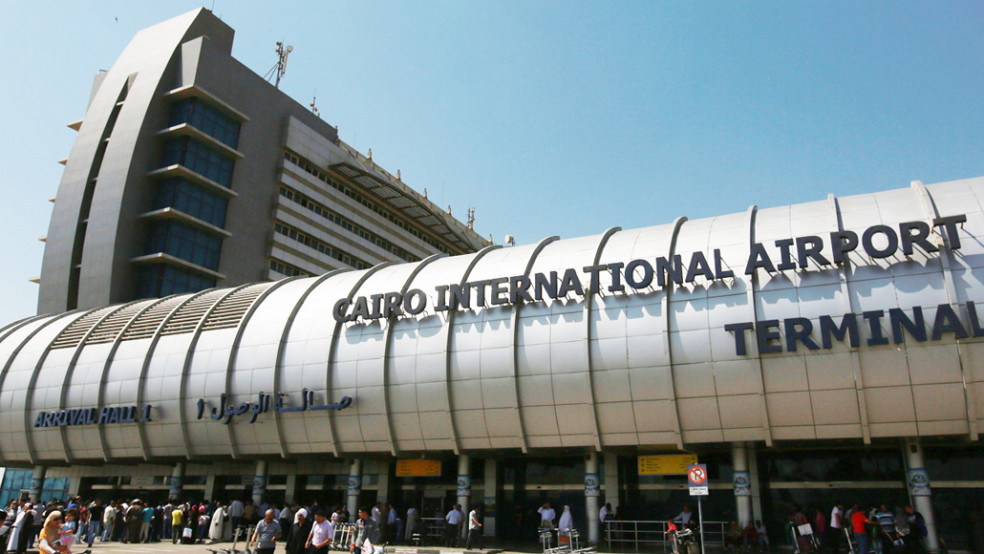
1 Cairo International Airport
Cairo International Airport ranked as Africa’s busiest airport by departing seats in May 2026, with projected scheduled one-way departing capacity reaching 1,656,693 seats, up from 1,545,787 in May 2025, reflecting a 7.2% year-on-year increase.
As Egypt’s primary international gateway, the airport connected North Africa to major destinations across Europe, the Middle East, Asia, and the Americas, reinforcing its position as one of the continent’s leading aviation hubs.
Located in Heliopolis, about 15 kilometres northeast of Cairo’s city centre, the airport handles nearly 28 million passengers annually and serves over 100 destinations through airlines including EgyptAir, Nile Air, Turkish Airlines, and Lufthansa.
