
The Federal Airports Authority of Nigeria has continued its push to modernise and reposition Nigeria’s air cargo industry with a high-level stakeholder engagement focused on the proposed Aviacargo Village project and broader cargo operations reforms at the Murtala Muhammed International Airport.
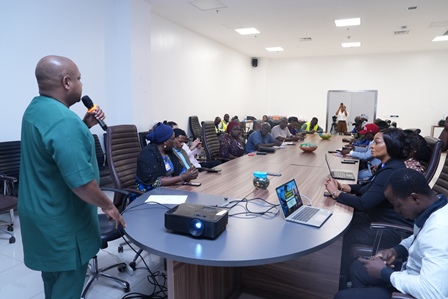
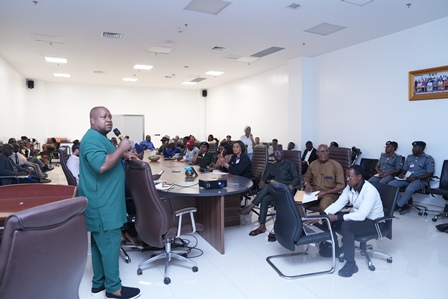
The meeting, convened by the Directorate of Cargo Development and Services (DCDS) on May 12, 2026, brought together recognised agents’ associations and key operators within the cargo value chain to deliberate on strategies aimed at improving operational efficiency, standardisation and sustainable sectoral growth.
According to a press release by the agency, the meeting, themed “Strategic Engagement Session on Cargo Village Development and Operational Framework,” was organised to foster a transparent, inclusive, and globally competitive cargo system, recognising the critical role of agents and freight forwarders in cargo operations.
READ: Africa: FAAN, Aviation Ministry Strengthen Collaboration as Perm Sec Kambari Embarks on Strategic Visit
Representing the Director of Cargo Development and Services, Mr Lekan Thomas, the General Manager, Cargo, Mrs. Alao Mamman, in her opening remarks, emphasized the importance of stronger stakeholder collaboration towards the realization of the Cargo Village project, noting that the initiative would enhance operational efficiency, streamline cargo handling processes, and ensure compliance with international best practices and global standards.

READ: Africa: FAAN Announces Major Aviation Safety Breakthrough as ICAO Recognizes Nigeria’s Progress
The General Manager, Cargo Partnerships and Registration, Engr. Jay Etim, during his presentation, highlighted key focus areas including the development of the Aviacargo Village, the establishment of an integrated cargo logistics hub, the co-location of cargo stakeholders, operational standards, access control systems, regulatory compliance requirements, and the critical role of licensed agents within the evolving cargo ecosystem.
The engagement also provided an avenue for stakeholders to contribute input aimed at ensuring inclusiveness, operational practicality, and alignment with industry realities, while strengthening collaboration towards a more structured, secure, and efficient cargo environment.
