
East Africa’s shopping mall boom is facing a growing reality: building modern retail spaces does not automatically guarantee sustainable demand.
A new analysis by Daily Monitor examines why malls across the region have struggled to maintain occupancy and profitability despite rapid urbanisation and the expansion of the formal retail sector.
The region’s retail markets are shaped by highly price-sensitive consumers and deeply established informal trading networks, where shoppers can often find food, clothing and other everyday goods at lower prices. This creates intense competition for formal retailers operating from shopping malls, particularly when consumers see limited value in paying premium prices for similar products.
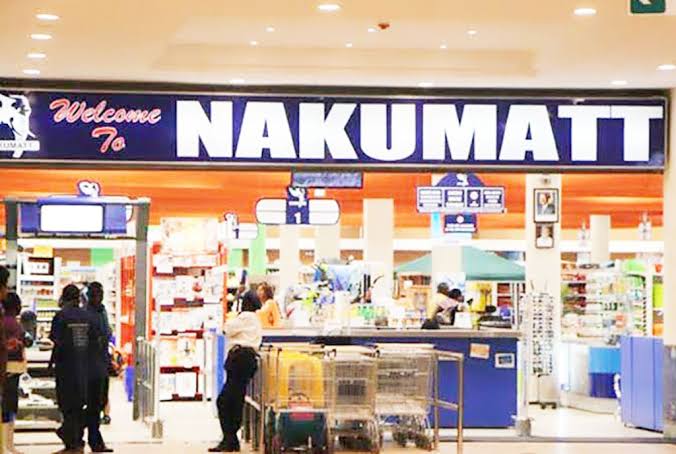
The article points to a structural challenge facing mall developers and retailers: successful shopping centres need to offer more than rows of shops. They must provide convenience, quality, authenticity and experiences that can attract consumers away from traditional markets. East Africa’s retail landscape has already witnessed the collapse or withdrawal of major supermarket operators, demonstrating the difficulty of translating growing urban populations into sustainable formal retail demand. Daily Monitor notes that the region’s informal economy remains a powerful competitor, particularly where consumers prioritise affordability.
For developers, the challenge is therefore shifting from simply increasing mall space and retail capacity to creating destinations that reflect changing consumer behaviour. Food, entertainment, leisure, services and experiences can become important components of a mall’s value proposition, alongside conventional retail.
The developments raise broader questions about East Africa’s real-estate and tourism economy, particularly as cities invest heavily in modern commercial infrastructure. The future of the region’s malls may depend less on the number of shopping centres built and more on whether they can adapt to local purchasing power, consumer preferences and the realities of informal commerce.
