
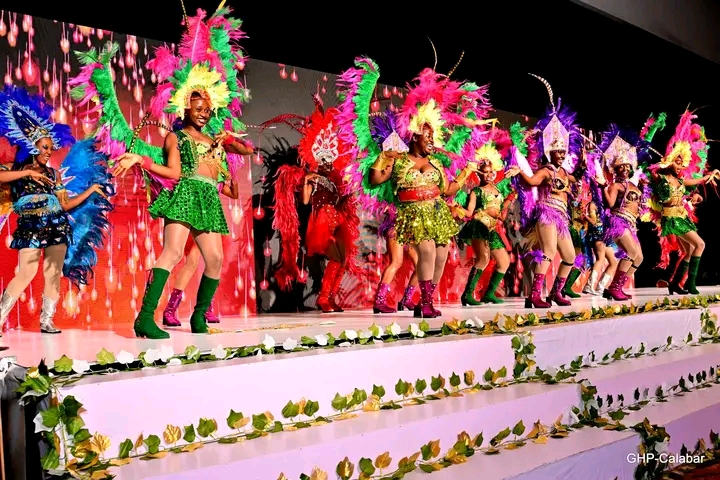
On a humid evening in Lagos, tourism stakeholders, cultural enthusiasts, diplomats, and government officials gathered at the Eko Hotel & Convention Centre for the unveiling of the theme of Carnival Calabar 2026. As the lights dimmed and anticipation filled the room, one phrase emerged as both a challenge and an invitation: “Rethinking Our Collective Destiny.”
For many outside Nigeria, Carnival Calabar is often introduced through comparisons. It is likened to the dazzling parades of the Rio Carnival in Brazil, the rhythmic spectacle of Trinidad and Tobago’s Carnival, or the exuberant street festivals that transform cities around the world into stages of collective celebration. Yet those who have experienced it know that Carnival Calabar possesses a distinct identity—one rooted in the culture, hospitality, and resilience of the people of Cross River State.
As the carnival enters its 21st edition, the significance of the event extends far beyond costumes, music, and choreography. In a period marked by rising living costs and economic pressures across Nigeria, Carnival Calabar continues to serve as a gathering point where culture becomes both an expression of joy and an instrument of economic opportunity.
More Than a Festival
For families planning year-end travel experiences, Carnival Calabar offers something increasingly rare in modern tourism: a celebration that belongs as much to local communities as it does to visitors.
Governor Bassey Otu, while unveiling the 2026 theme, described the carnival as a platform for economic growth, cultural preservation, and tourism development. His remarks reflected a broader reality that residents of Cross River understand intimately. The carnival is not merely an annual event; it is an ecosystem that supports thousands of livelihoods.
Months before the first parade float enters the streets of Calabar, tailors begin sketching costume concepts. Artisans prepare props. Makeup artists, musicians, dancers, photographers, food vendors, transport operators, and accommodation providers all begin positioning themselves for what has become one of Africa’s most anticipated cultural gatherings.
A local costume designer who has participated in previous editions once described the carnival season as “the period when creativity becomes employment.” The statement captures a reality visible across the city. Ideas transform into products, performances become professions, and cultural heritage becomes a source of income.
This connection between culture and livelihood explains why the carnival carries such emotional significance for many residents. Its success is measured not only by the size of the crowds but also by the opportunities it creates.
The Streets Become a Stage
To understand Carnival Calabar, one must imagine a city transformed.
The broad carnival route becomes a river of colour. Elaborate costumes shimmer under the tropical sun. Brass bands blend with Afrobeats, traditional rhythms, and contemporary dance performances. Giant artistic installations move through the streets, interpreted by carnival bands competing to translate the annual theme into visual storytelling.
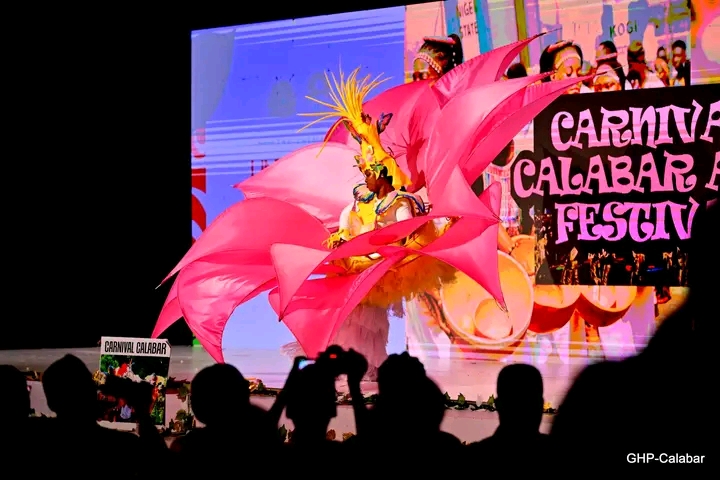
Families line the routes hours before the processions begin. Children sit on shoulders to catch a better view. Visitors mingle with residents, often finding themselves welcomed into conversations about costumes, local food, and the history of the event.
Unlike many international festivals where visitors remain spectators, Carnival Calabar encourages participation. The boundaries between performer and audience often blur. Music spills into public spaces. Community groups organize side events. Local markets extend their operating hours. Restaurants showcase regional cuisine. The city itself becomes part of the performance.
For street carnival enthusiasts, this immersive quality is a defining attraction. The experience is not confined to a parade route; it unfolds across neighbourhoods, cultural centres, and public spaces throughout the festival period.
Celebration Amid Economic Pressure
Yet it would be incomplete to discuss Carnival Calabar without acknowledging the economic realities facing many Nigerians.
Across the country, households continue to grapple with higher costs of transportation, food, and daily living. In such circumstances, the idea of celebration can appear contradictory. Why invest energy in festivities when economic concerns dominate everyday conversations?
The answer may lie in the social role of cultural events.
Community celebrations have historically served as moments of collective resilience. They create spaces where people reconnect with family, reaffirm cultural identity, and temporarily step outside the pressures of daily life. Carnival Calabar performs this function on a large scale.
The governor’s remarks during the theme unveiling highlighted another important dimension: the carnival’s capacity to stimulate economic activity. While no single festival can resolve broader economic challenges, large-scale cultural events can provide seasonal opportunities for entrepreneurs and informal-sector businesses.
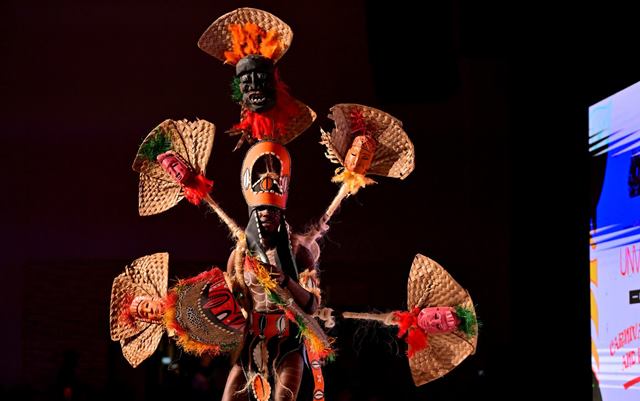
From roadside food vendors to hotel operators, many participants view the carnival as an opportunity to increase earnings and attract new customers. For returning members of the Cross River diaspora, it is also a chance to reconnect with home while contributing to local commerce.
This dual role—as both celebration and economic catalyst—helps explain why Carnival Calabar remains deeply relevant despite challenging economic conditions.
A Theme That Invites Reflection
The 2026 theme, “Rethinking Our Collective Destiny,” arrives at a particularly significant moment.
Traditionally, each Carnival Calabar theme serves as a creative puzzle for participating bands to interpret through costumes, props, choreography, and artistic expression. This year’s theme, however, carries broader social resonance.
It invites reflection on how communities imagine their future. It encourages conversations about creativity, innovation, and shared responsibility. And it challenges participants to consider how culture can contribute to social and economic development.
According to Governor Otu, the theme reflects a determination to look beyond present circumstances and envision what can be achieved collectively through tourism, culture, and creativity.
How individual bands will interpret that message remains to be seen. Some may focus on heritage and identity. Others may explore technology, environmental sustainability, or youth empowerment. The diversity of interpretations is part of what makes the carnival compelling year after year.
Why Families and Travellers Are Paying Attention
Global travel trends increasingly show interest in experiences that offer authenticity and cultural immersion. Travellers are seeking destinations where they can engage with local traditions rather than simply observe them.
Carnival Calabar fits squarely within that movement.
Families discover opportunities to learn about Nigerian culture through music, dance, cuisine, and storytelling. Photography enthusiasts encounter a visual feast of colours and creativity. Cultural tourists gain insight into how contemporary African cities are using festivals to celebrate heritage while pursuing economic development.
The carnival’s appeal also reflects a growing appreciation for domestic and regional tourism. As international travel costs fluctuate and travellers seek meaningful experiences closer to home, events such as Carnival Calabar have become increasingly important within Africa’s tourism landscape.
Looking Beyond the Parade
When the final costumes are packed away and the music fades, the lasting impact of Carnival Calabar is found not only in photographs or social media highlights.
Its deeper significance lies in what it reveals about community.
It demonstrates how culture can create economic opportunity. It shows how public celebrations can strengthen social bonds. And it illustrates how a city can transform creativity into a powerful statement of identity and aspiration.
The unveiling of the 2026 theme signals the beginning of another chapter in that story. Whether one attends as a family seeking a memorable holiday, a carnival enthusiast pursuing authentic experiences, or a traveller curious about Africa’s evolving cultural landscape, Carnival Calabar offers more than entertainment.
In a period when many communities are navigating uncertainty, it presents a simple but powerful reminder: collective joy, shared heritage, and creative expression remain valuable resources. Sometimes, rethinking our collective destiny begins with gathering in the streets, celebrating who we are, and imagining together what we might become.
By: Sam Opoku
