
Eko Hotels executive calls on Nigeria’s biggest music stars to use their global influence to create tourism products in their hometowns, states and communities beyond Detty December
LAGOS: Nigeria’s global music stars—including Burna Boy, Davido, Wizkid, Asake and others—have been challenged to look beyond music and entertainment and use their international influence to create tourism products that can contribute to the development of their communities and Nigeria’s wider tourism economy.
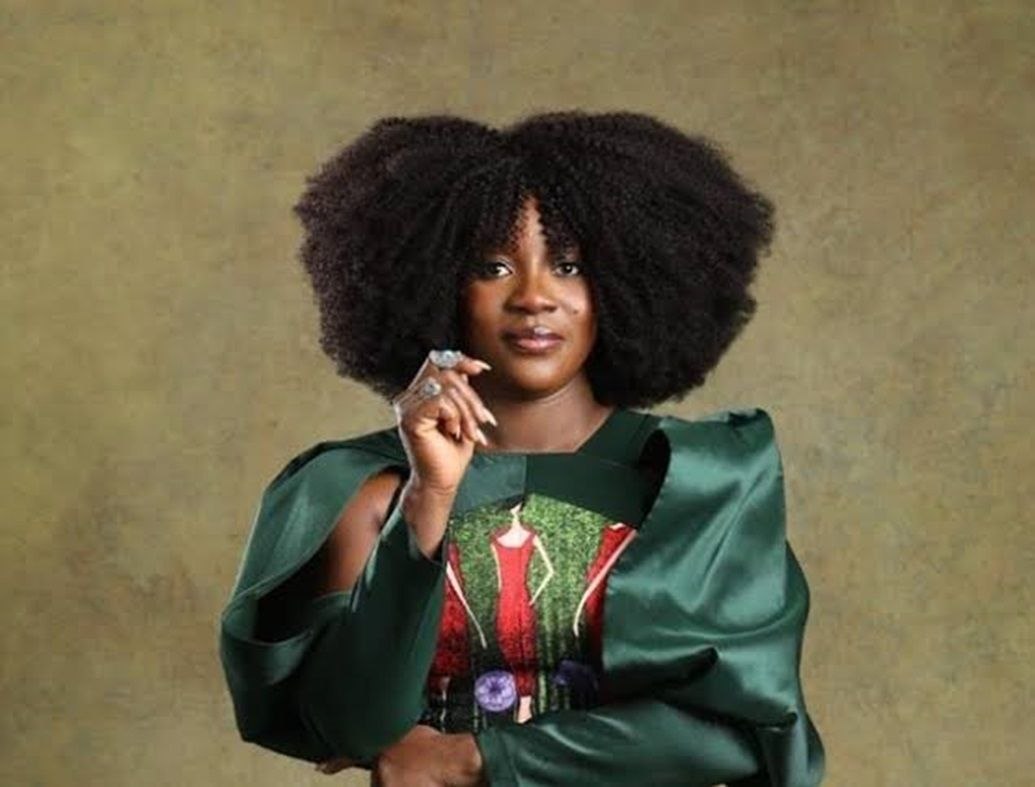
The call was made by Dr. Iyadunni Gbadebo, Director of Sales and Marketing at Eko Hotels, during an interview at the 22nd Akwaaba African Travel Market, where she reflected on the role of private-sector individuals in promoting Nigeria and Africa as tourism destinations.
Dr. Gbadebo particularly pointed to Ikechi Uko, founder of Akwaaba African Travel Market, as an example of what an individual can achieve when personal vision, expertise, influence and sustained commitment are directed towards national and continental development.
Her message to Nigeria’s music stars is equally direct: use what you have to build Nigeria.
With artistes such as Burna Boy, Davido, Wizkid and Asake commanding enormous audiences across Africa and the world, Dr. Gbadebo’s argument is that their influence could extend beyond albums, concerts and endorsements into the creation of lasting tourism experiences.
Burna Boy, Davido, Wizkid, Asake: What Can Their Fame Build?
Nigeria’s leading artistes have transformed Afrobeats into a global cultural force.
Burna Boy, Davido, Wizkid and Asake, alongside numerous other Nigerian artistes, have built international audiences that extend far beyond Nigeria. Their music, personalities, fashion and cultural identities have helped place Nigeria firmly within global popular culture.
Dr. Gbadebo’s challenge is for that influence to be converted into tangible destination products.
Rather than only returning home to perform concerts, she wants Nigerian music stars to consider what they can permanently create in the places from which they come.
What if Burna Boy created a signature tourism and cultural experience connected to his roots?
What if Davido developed a major annual event that brought visitors into a particular community or destination?
What if Wizkid created a distinctive cultural, music or creative festival that became an annual tourism attraction?
What if Asake used his artistic identity to create a destination-based experience that connected music, culture and tourism?
These examples are not claims that the artistes have announced such projects. Rather, they illustrate the type of opportunity Dr. Gbadebo’s proposition presents to Nigeria’s entertainment industry.
The same model could be adopted by other Nigerian stars across music, film, comedy, fashion and sports.
Go Back to Your Town and Create a Product
At the heart of Dr. Gbadebo’s message is a simple proposition: go back home and create something.
A major artiste could establish a signature annual event in their hometown, Local Government Area or state, combining entertainment with the destination’s culture, food, heritage, fashion, arts, hospitality and attractions.
The result would be more than a concert.
It would be a tourism product.
For example, an artiste could create a three-day destination festival featuring music performances, cultural exhibitions, local cuisine, fashion showcases, community tours, heritage experiences and business networking.
Visitors would have a reason not merely to attend an artiste’s concert, but to travel to the destination and experience it.
Hotels would accommodate visitors. Restaurants would serve them. Transport operators would move them. Tour companies could organise excursions. Local artisans and businesses could sell products.
The artiste’s fame would become the engine that introduces the destination to a much larger audience.
Beyond Detty December
Dr. Gbadebo’s proposal also challenges Nigeria’s growing dependence on Detty December as the country’s major entertainment-driven tourism season.
December has demonstrated the enormous potential of combining music, entertainment and travel. But the question is whether that energy can be replicated throughout the year.
Why should December have all the fun?
Why can’t February have its own major tourism experience?
Why can’t August become another period of significant domestic and international travel?
Dr. Gbadebo’s suggested concepts include possibilities such as “Detty February” and “Wet August”, demonstrating how different months could be deliberately branded around distinctive tourism experiences.
The objective would be to create a calendar where Nigerians and international visitors have compelling reasons to travel to different destinations at different times of the year.
Imagine a Nigerian Music Tourism Calendar
The potential is enormous.
Burna Boy could be associated with a major annual experience linked to his heritage and community.
Davido could similarly create a destination-based festival that connects his global audience with Nigerian culture.
Wizkid could develop a creative or cultural experience capable of attracting international visitors.
Asake and other emerging and established stars could create their own distinctive products.
The events do not necessarily have to be music-only.
They could incorporate:
Music and cultural festivals
Food and culinary experiences
Fashion and creative arts
Heritage and historical tours
Beach and waterfront festivals
Sporting events
Film and entertainment festivals
Community celebrations
Business and investment forums
Youth and creative-industry events
The important element is that each product should give people a reason to travel.
Ikechi Uko: A Private-Sector Example
Dr. Gbadebo’s praise of Ikechi Uko formed a major part of her interview.
She recalled knowing Uko from her aviation days and said his vision for Akwaaba was clear from the beginning.
Over more than two decades, she said, Akwaaba has consistently promoted Nigeria and Africa’s tourism story while creating a platform that brings international tourism stakeholders into Nigeria.
For Dr. Gbadebo, that represents an important lesson.
National development cannot be left entirely to government.
Individuals and businesses can also create platforms, products and opportunities that contribute to the country’s growth.
She therefore urged Nigerians—and particularly those with significant influence—to recognise what they already possess and deploy it towards development.
For a music star, that asset may be a global fan base.
For an entrepreneur, it may be capital.
For a hotelier, infrastructure.
For a travel professional, networks.
For a media organisation, storytelling.
For a community, its culture and heritage.
Nigeria’s Story Must Be Told by Nigerians
Dr. Gbadebo also emphasised the importance of storytelling in destination marketing.
She argued that Nigeria has many of the ingredients required to build globally attractive tourism experiences, including its diverse cultures, people, music, food, fashion, history and landscapes.
The challenge is packaging these assets and telling the story effectively.
She referenced international examples where destinations have used culture, landscapes and popular entertainment to create emotional connections between audiences and places.
For Nigeria, the opportunity could be to allow its most influential cultural figures to become part of that storytelling process.
When a global music star invites thousands of fans to their hometown, the event can potentially introduce those visitors to an entire destination.
That is where entertainment meets tourism.
From Celebrity to Destination Builder
The proposition is ultimately about changing the way Nigeria thinks about celebrity influence.
A superstar should not only ask:
“How many people will attend my concert?”
The bigger question could be:
“How many people can I bring to discover my community, my state and my country?”
For Burna Boy, Davido, Wizkid, Asake and other Nigerian stars, the opportunity is to create legacies that exist beyond their music careers.
A signature festival could become an annual fixture.
A hometown could become a destination.
A community could gain new businesses.
Young people could find employment.
Hotels could receive more visitors.
Local entrepreneurs could gain customers.
And Nigeria could benefit from a broader, more diverse tourism economy.
A Call to Use What You Have
Dr. Gbadebo’s wider message at the 22nd Akwaaba African Travel Market was about taking responsibility for the Nigeria that future generations will inherit.
Her example of Ikechi Uko demonstrates her belief that one private-sector individual, through consistency and commitment, can create a platform with an impact beyond his immediate business.
Her challenge to Nigeria’s entertainment giants is to consider what they, too, can build.
Burna Boy has his global audience. Davido has his international network. Wizkid has his worldwide following. Asake has a rapidly expanding global platform. Other Nigerian artistes possess similar influence.
The question is how that influence can be converted into sustainable products that create value at home.
The future of Nigerian tourism may not be built only in government offices or tourism conferences.
It could also be built on concert stages, in recording studios, through social media platforms and—most importantly—in the towns and communities where Nigeria’s biggest stars began their journeys.
The message from Dr. Iyadunni Gbadebo is clear: Nigeria’s celebrities already have something powerful in their hands. The next step is to use that fame to create destinations, build communities, and give the world more reasons to come to Nigeria—not only in December, but all year round.
_By Sam Opoku_
