
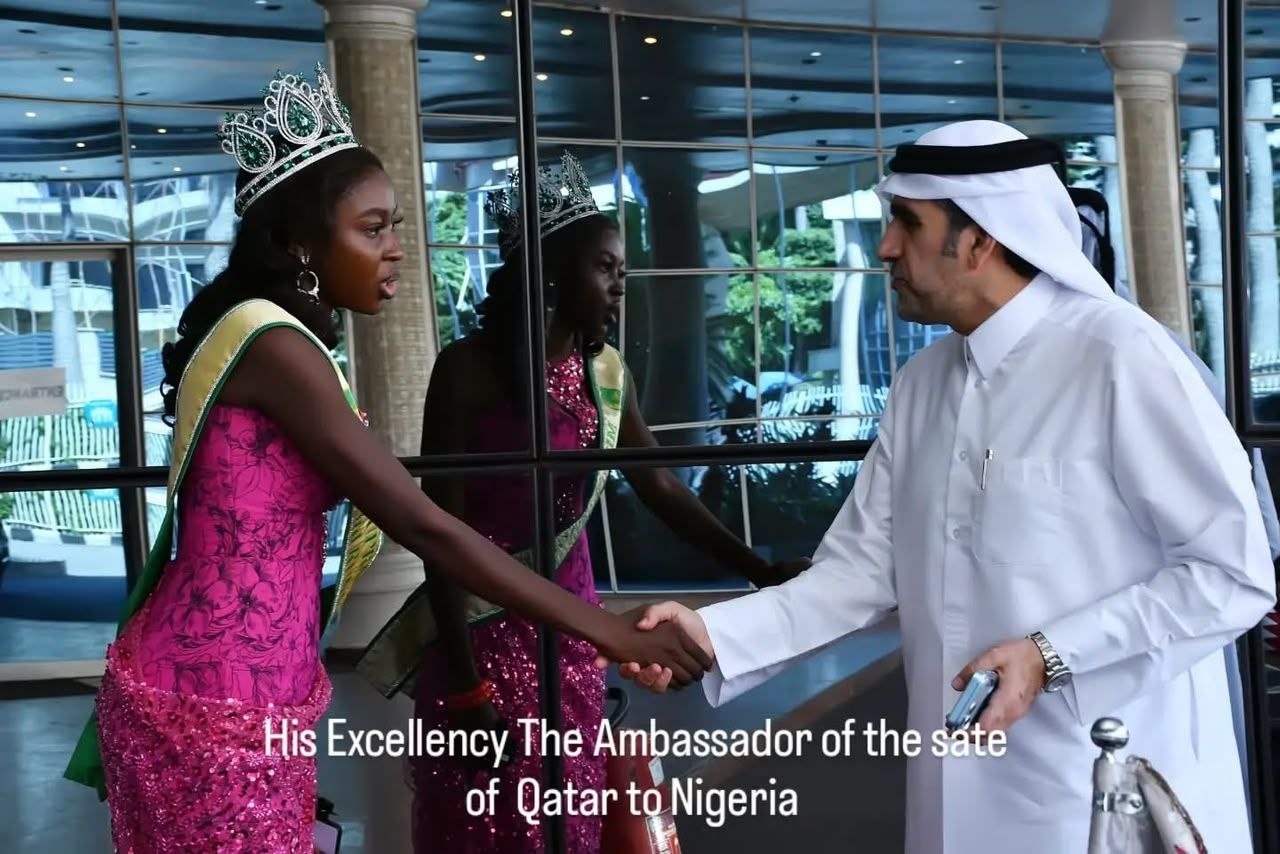
In commemoration of the 2026 United Nations World Children’s Day, cultural enthusiast and beauty queen, Effiong Loretta Imah, has championed cultural education and the preservation of indigenous languages through a special initiative aimed at reconnecting children with their cultural heritage.
Imah, a past winner of the Top 100 Tourism Personalities in Nigeria, organised by Naija7Wonders and ATQNews, used the occasion to promote grassroots cultural education, emphasising that children must understand, embrace and appreciate their roots from an early age. According to her, being a beauty queen goes beyond appearance and titles; it also involves using one’s platform to create meaningful social impact.
The event attracted notable dignitaries, including the Honourable Minister of Art, Culture, Tourism and Creative Economy, H.E. Hannatu Musa Musawa (Esq.); the Director-General of the Nigeria Tourism Development Authority, Dr. Ola Awakan; the Ambassador of the State of Palestine to Nigeria and ECOWAS, H.E. Muhannad Alhammouri; the Ambassador of the State of Qatar to Nigeria, H.E. Yousef Alhail, and his deputy; as well as the Ambassador of Syria to Nigeria, Muhammad Sani.
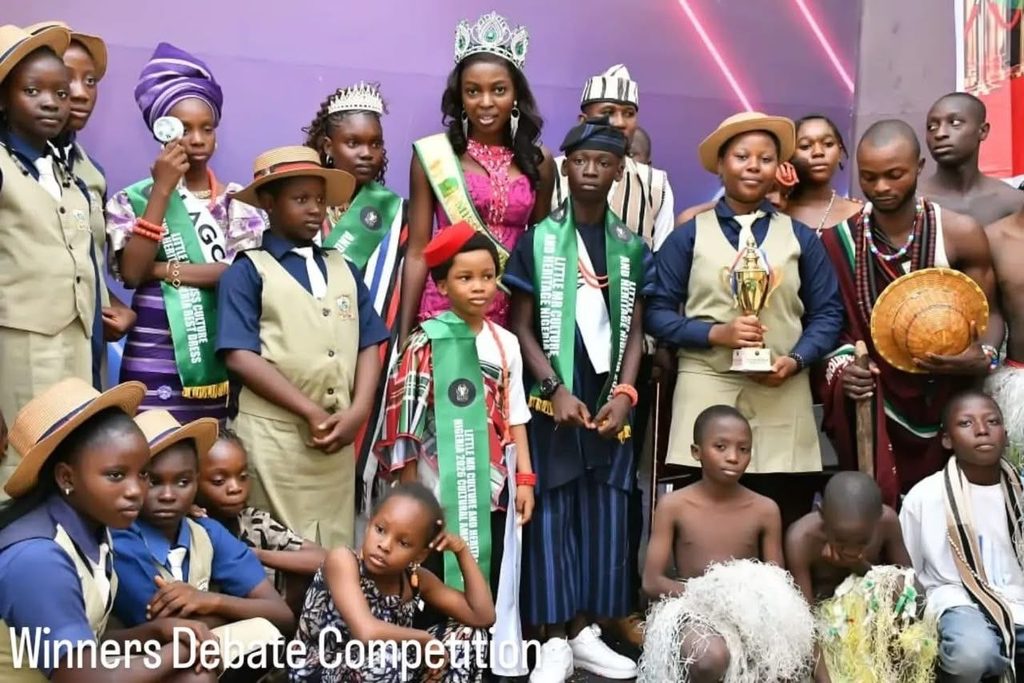
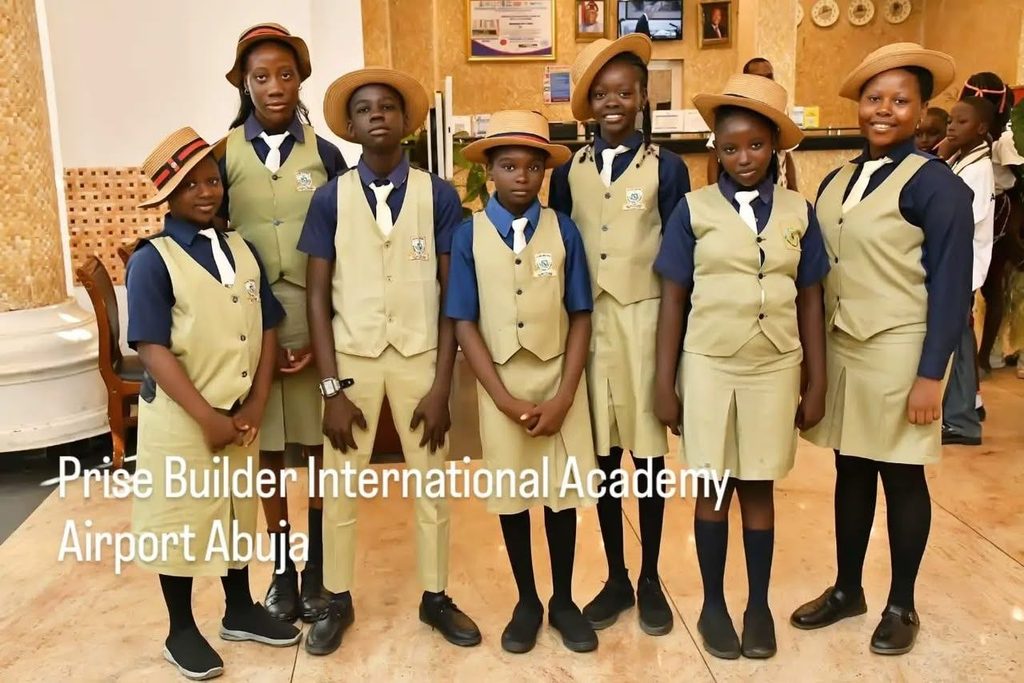
Other participants and supporting organisations included the National Agency for the Prohibition of Trafficking in Persons (NAPTIP), China Chamber of Commerce, schools, teachers and the Kubwa Orphanage Home.
The celebration featured inter-school debates, quizzes, spoken-word performances, school presentations and cultural displays, providing children with an opportunity to learn, express themselves and appreciate the diversity of Nigerian cultures. NAPTIP also delivered safety education to the children as part of the programme.
Speaking on the importance of the initiative, Imah stressed that children deserve access to education and should be encouraged to learn and speak their indigenous languages, noting that cultural identity and language preservation must begin at the grassroots.
She further raised concerns about the growing threat to indigenous Nigerian languages, referencing UNESCO’s Atlas of the World’s Languages in Danger and national language records, which highlight the vulnerability of several Nigerian languages.
“If we don’t get the children now to embrace their culture, then when?” she asked, calling on parents, schools, cultural organisations and stakeholders to take deliberate steps towards passing indigenous languages and traditions to the next generation.
She also warned against the gradual disappearance of indigenous languages, describing the situation as a cultural challenge that requires collective action.
“A language that is not taught, spoken and passed down to the next generation will slowly go into extinction. Let us avoid language Titanic!” she added.
Imah expressed appreciation to the government representatives, diplomatic community, participating organisations, schools, teachers and individuals who supported the initiative, describing the celebration as an opportunity to give back to society and create lasting impact through cultural education.
She reaffirmed the importance of investing in children today to ensure that Nigeria’s cultural heritage, languages and traditions remain relevant for generations to come.
