
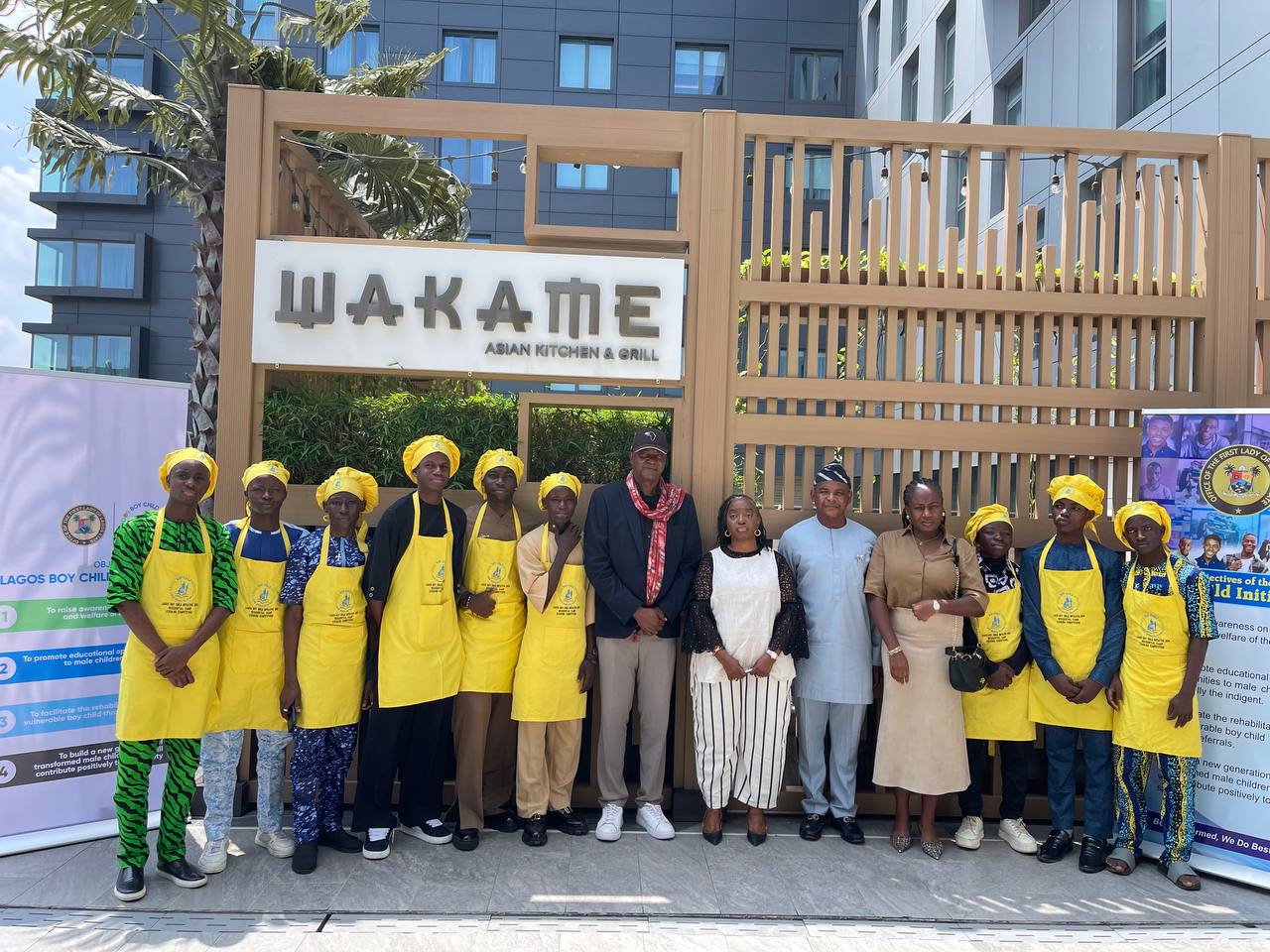
The First Lady of Lagos State, Dr. (Mrs.) Claudiana Ibijoke Sanwo-Olu, has said the Lagos Boy Child Initiative is forging strategic partnerships with organisations such as Akwaaba African Travel Market to expose young boys to opportunities beyond Nigeria, while equipping them with practical life skills and changing negative perceptions about the male child.
Speaking after the 2026 Prize-Giving Ceremony of the Lagos Boy Child Initiative Cooking Competition held on Monday at the Lagos Marriott Hotel, Ikeja, the First Lady said the collaboration with Akwaaba was aimed at connecting participants with regional and international opportunities in culinary arts, tourism and cultural exchange.
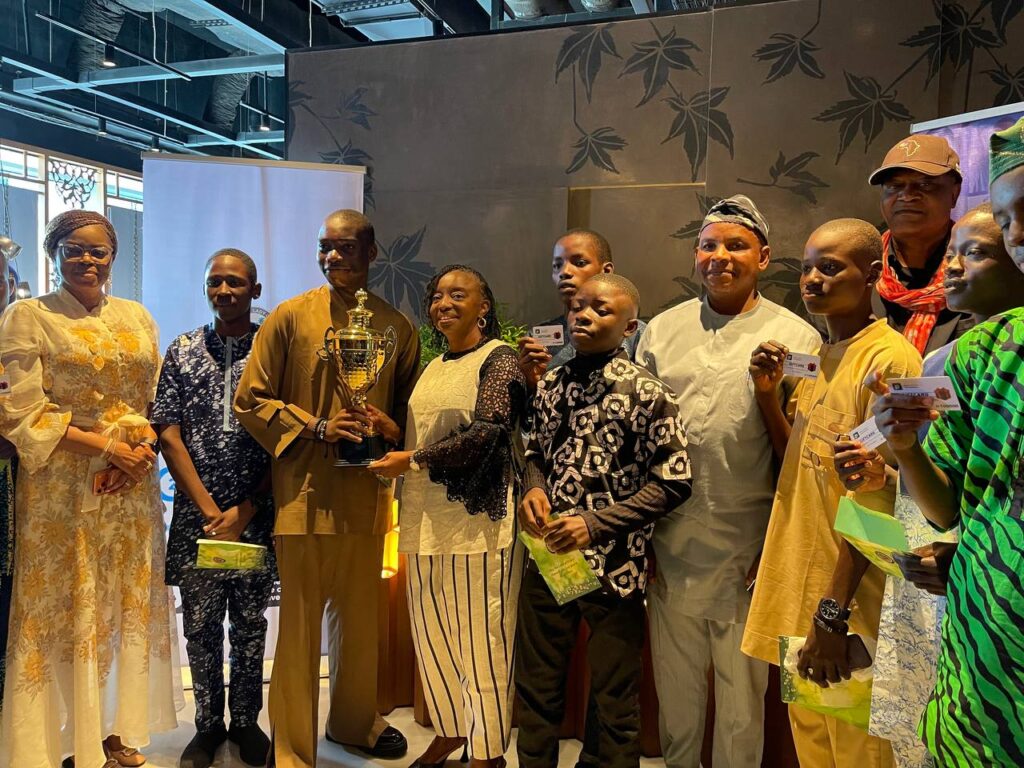
According to her, the partnership reflects the initiative’s broader objective of preparing boys to become responsible citizens, entrepreneurs and future leaders rather than allowing them to drift into crime and other social vices.
“We are interested in people that are interested in the boys,” she said. “Akwaaba showcases not only Nigeria but West Africa and the culture and tourism of Africa as a whole. I don’t want to limit my children to just Lagos State. I want them to be able to interact with people from different parts of Africa too.”
She explained that exposing the boys to programmes such as the Jollof Rice Competition organised during Akwaaba African Travel Market would introduce them to international standards and broaden their career aspirations.

“Encouraging them to participate in the Jollof Rice competition at Akwaaba will further expose them to international standards, and that’s why we are partnering with Akwaaba,” she added.
READ: Africa: NTDA, Lagos Strengthen Partnership to Drive Nigeria’s Tourism Growth and Global Appeal
Dr. Sanwo-Olu said the Boy Child Initiative was established to complement ongoing efforts directed at empowering girls by ensuring boys also receive adequate guidance, mentorship and life skills.
“A lot of emphasis has been on the girl child, and we realised that we need to balance it. We need to make sure that the boy child is equally responsible like the girl child,” she said.

The initiative draws participants from all five divisions of Lagos State—Ikorodu, Badagry, Ikeja, Lagos Island and Epe—including students from public and private schools, orphanages and correctional facilities.
The First Lady noted that the cooking competition was deliberately designed to help boys discover talents outside traditional stereotypes.
“Cooking is just one of the talents we wanted to discover in them. We started with football, but we decided to explore other areas. Maybe next will be makeup or tying ‘gele’. It is about finding different areas where our boys can compete and excel,” she said.
She lamented the growing association of young men with internet fraud, kidnapping, banditry and terrorism, stressing that early intervention through skills acquisition and mentorship would help change the narrative.
“If we pay more attention to our boys, there will be a reduction in banditry, terrorism and other social vices. We should catch them young and engage them not only through social media but by teaching them practical skills that can make them entrepreneurs and employers of labour.”
As part of the programme, winners of the cooking competition will receive professional culinary training after completing secondary school, enabling them to build careers in hospitality and the food industry.
Dr. Sanwo-Olu said many of the participants had never cooked before entering the competition, making their performances even more remarkable.
“We just wanted to expose them. Some of them didn’t even know they had culinary skills. Their courage to participate has been inspiring, and now we’re giving the top winners the opportunity to attend hospitality and culinary school.”
She emphasised that while vocational skills are important, formal education remains the foundation for every child’s future.
The First Lady also called on parents, guardians, philanthropists and the wider society to play active roles in raising responsible children, noting that many vulnerable boys require rehabilitation, encouragement and second chances.
“It’s not only about the parents; it’s everybody. When you see a child and you’re in a position to help, encourage them. If they’re not outstanding academically, let them become skilled with their hands. There is dignity in learning a trade.”
She further urged philanthropists to support rehabilitation centres housing vulnerable children rather than focusing solely on orphanages, saying such investments would give many young people opportunities to rebuild their lives.
According to her, the Lagos State Government’s ultimate goal is to reshape public perceptions of the boy child by promoting responsibility, creativity, entrepreneurship and positive social values.
The Lagos Boy Child Initiative Cooking Competition forms part of the state’s broader efforts to empower boys through mentorship, skills development and character building while encouraging partnerships that connect them with opportunities across Nigeria and the African continent.
