
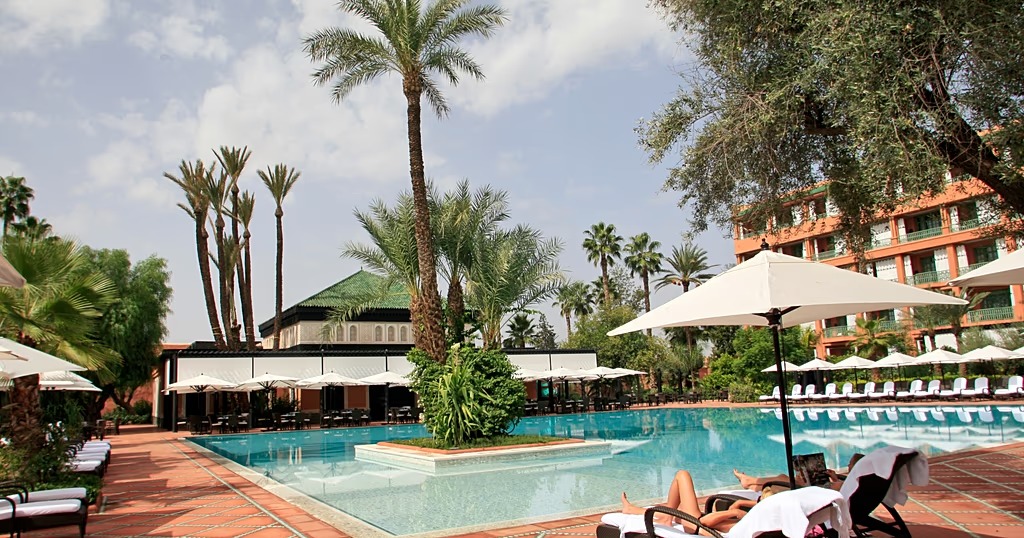
Morocco is set to increase its hotel accommodation capacity by 20 percent, adding 60,000 new hotel beds as part of an ambitious tourism and infrastructure programme ahead of the 2030 FIFA World Cup, which it will co-host with Spain and Portugal.
According to Reuters, the expansion is aimed at meeting the expected surge in international visitors while creating a lasting tourism legacy beyond the tournament.
Tourism Minister Fatim-Zahra Ammor said the additional capacity will raise Morocco’s total hotel stock to more than 360,000 beds, building on the 45,000 beds added over the past four years. The government is targeting 26 million international tourist arrivals by 2030, a significant increase from the nearly 20 million visitors recorded in 2025. The hotel expansion forms part of a wider investment programme worth more than 190 billion Moroccan dirhams (about US$20 billion), covering transport infrastructure, stadiums, urban development and tourism facilities to prepare the country for the global football tournament.
READ: News: Morocco, Egypt, South Africa and Mauritius Lead Race for Africa’s Industrial Future
Officials view the 2030 World Cup as an opportunity to accelerate economic growth, strengthen Morocco’s tourism industry and reinforce its position as one of Africa’s leading travel destinations. The tournament is expected to generate new investment, create jobs and improve infrastructure that will benefit residents and visitors long after the final whistle. Tourism currently contributes around 7 percent of Morocco’s Gross Domestic Product (GDP) and supports hundreds of thousands of jobs. The government expects tourism revenues to reach a record 161 billion dirhams by 2027, driven by higher visitor numbers and increased spending.
Beyond expanding accommodation, Morocco is also investing in improved air connectivity with key international markets, including China, the United States and the Middle East, while promoting destinations beyond traditional tourism hotspots such as Marrakech. Authorities are positioning Rabat as a major centre for culture, business and sports tourism in the lead-up to the World Cup.
By combining large-scale infrastructure investments with tourism development, Morocco aims to ensure that hosting the 2030 FIFA World Cup delivers long-term economic and tourism benefits, cementing its status as one of Africa’s premier destinations for leisure, business and international sporting events.
