
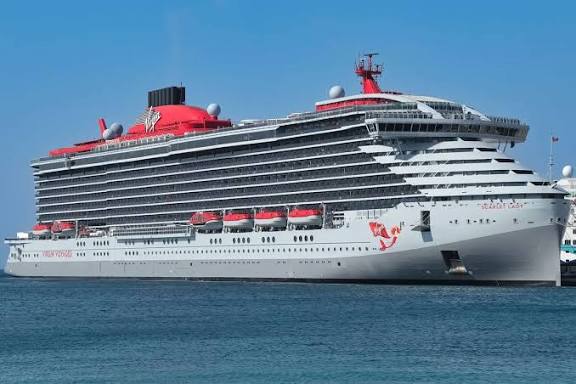
Egyptian authorities have denied entry to the Virgin Voyages Scarlet Lady, an LGBTQ+ charter cruise ship carrying nearly 2,000 passengers, prompting disappointment among travellers and raising fresh questions about the country’s stance on LGBTQ+ tourism.
The vessel, which was operating as a special charter cruise, had planned to include an Egyptian port of call as part of its itinerary. However, the ship was reportedly refused permission to dock by Egyptian authorities, forcing operators to alter their travel plans.
Neither Egyptian officials nor Virgin Voyages immediately provided detailed reasons for the decision. However, the move comes against the backdrop of Egypt’s conservative social policies and its longstanding restrictions on LGBTQ+ expression and activities.
The Scarlet Lady, one of Virgin Voyages’ flagship vessels, has become popular among diverse traveller communities and frequently hosts themed charter cruises, including those catering to LGBTQ+ passengers.
Passengers aboard the ship reportedly expressed disappointment over the cancellation of the Egyptian stop, which had been anticipated as one of the highlights of the voyage because of the country’s rich history, ancient monuments, and cultural attractions.
The incident has reignited discussions within the global travel industry about the challenges faced by LGBTQ+ travellers in destinations where local laws, cultural norms, and government policies differ significantly from those in many Western countries.
READ: Africa: Egypt Tourist Arrivals Up 7% in First Four Months of 2026
Egypt remains one of Africa’s leading tourism destinations, attracting millions of visitors annually to iconic sites such as the Pyramids of Giza, the temples of Luxor, and resorts along the Red Sea. However, human rights groups have repeatedly criticised the country’s treatment of LGBTQ+ individuals, arguing that social and legal restrictions create an unwelcoming environment for LGBTQ+ travellers.
For Virgin Voyages and the affected passengers, the denial of entry underscores the complexities of international cruise operations, where itineraries can sometimes be altered due to political, regulatory, or cultural considerations in destination countries.
The incident is expected to fuel further debate within the global tourism sector over inclusivity, travellers’ rights, and the balance between respecting local laws and promoting diversity in international travel.
