
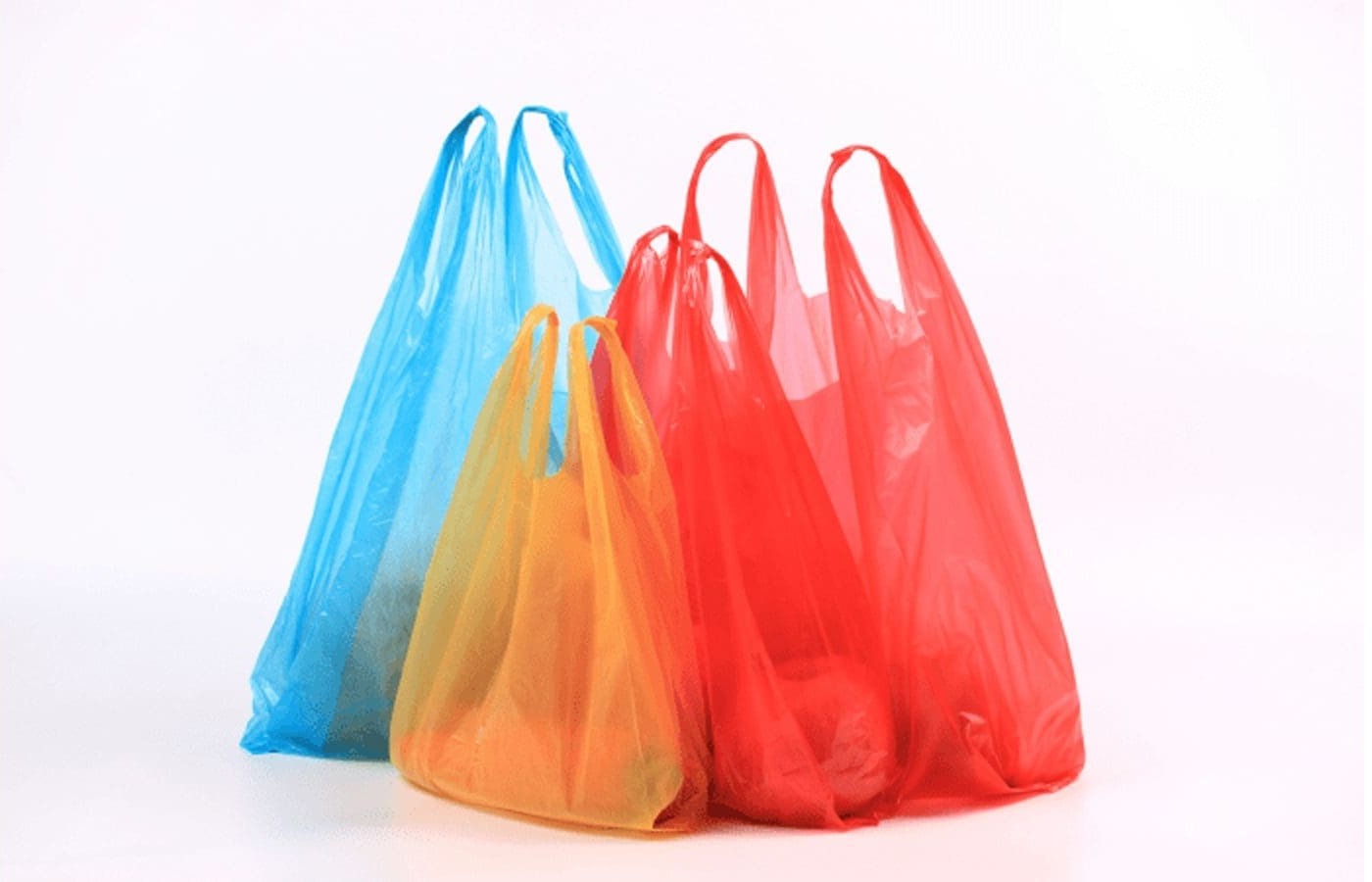
Authorities have announced that a nationwide ban on the import, production and commercial use of thin, single-use plastic bags has officially come into effect.
According to birrmetrics, the move, aimed at curbing severe environmental pollution, ends a six-month grace period and will see violators facing significant financial penalties.
The Environmental Protection Authority (EPA) confirmed all preconditions for implementing the long-debated proclamation have been met. Starting January 31, 2026 any business or individual caught using, producing, or importing these ubiquitous bags will be liable for fines. Penalties are scaled, starting from 2,000 Birr for end-users and escalating sharply to between 50,000 and 200,000 Birr for suppliers, manufacturers, and importing organizations.
EPA officials referencing the original ban passed by the House of Peoples’ Representatives a year ago under Proclamation No. 1383/2017 on Dry Waste Management. From this point forward, this activity is illegal, and all involved parties will be held accountable.
lelissei neme, Director General of the Environmental Protection Authority (EPA), has declared that all stakeholders are now fully responsible for complying with the ban on single-use plastic bags, stating that extensive awareness campaigns were conducted during its preparation and implementation phase, and that the provided timeframe has been sufficient.
“We have carried out extensive sensitization work for various stakeholders during the preparation and execution of the proclamation. The time given was adequate, and for the effectiveness of the proclamation, everyone must now fulfill their responsibility,” lelissei stated.
She noted, the enforcement of the proclamation will be effective starting from January 31, 2026, and emphasized that strict monitoring will be carried out to ensure the law is implemented, with the goal of guaranteeing the right to live in a clean and healthy environment.
Authorities say, being facilitating market entry for businesses that wish to produce paper or reusable cloth bags. Incentives include duty-free imports of necessary manufacturing machinery and efforts to connect potential producers with loan facilities and factory sites.
However, the ban faces resistance from industry. The Ethiopian Plastic Manufacturers Association has formally objected, arguing the policy will damage existing trade systems and was enacted without a realistic assessment of public readiness or the availability of affordable substitutes.
Officials are moving ahead, framing the ban as a critical step for public health and ecological sustainability. The streets of major cities, often strewn with plastic waste, are the primary target. The success of the policy now hinges on consistent enforcement and the public’s willingness to adapt to new, more sustainable habits.
With the deadline passed, retailers, consumers, and manufacturers across the country are now on notice the era of the free, flimsy plastic bag is officially over.
