
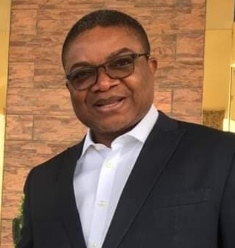
Speaking during the ongoing Naija7Wonders Zoom Conference 3.0, themed “Festival and Tourism in Nigeria: A New Pathway,” Sir Gabe Onah, PhD, Chairman of the Carnival Commission in Cross River State, delivered a compelling call for Nigeria to reposition its festivals as serious tourism and economic assets capable of driving national growth, cultural preservation, and global visibility.
Drawing from decades of experience within Nigeria’s tourism and creative sectors, Sir Gabe described the country’s cultural wealth as one of its most valuable yet underutilized resources. According to him, Nigeria already possesses the raw materials needed to compete globally in festival tourism, from its ethnic diversity and cultural heritage to its music, dance, storytelling traditions, and hospitality culture.
“With 250 ethnic groups, over 500 languages, and hundreds of festivals, the products are already here,” he said during the virtual session. “The resources are here.”
Referencing some of Nigeria’s most established cultural events, including Carnival Calabar, the Durbar celebrations, the Yam Festivals of the South-East, and the Argungu Fishing Festival, Sir Gabe argued that festivals remain one of the country’s strongest opportunities for tourism expansion if properly coordinated and packaged.
He noted that many globally recognized cities built their tourism identities around festivals and cultural gatherings, citing destinations such as Rio, Notting Hill, Trinidad and Tobago, and São Paulo as examples where festivals evolved into major international tourism attractions.
According to him, festivals do far more than entertain audiences. They stimulate economic activity across transportation, hospitality, food services, fashion, logistics, media, and local trade while also preserving identity and strengthening community pride.
“The creative sector today has offered more multiplier effect than the oil sector,” he said. “Tourism, festivals, culture — it is already imbued in our body.”
Sir Gabe also stressed the importance of collaboration across the tourism value chain, warning that Nigerian states and tourism operators must move away from isolated efforts toward stronger partnerships capable of creating connected destination experiences.
READ: Africa: Tour Operators Urged to Convert Nigeria’s Festivals into Structured Tourism Products
“We cannot compete; we can only collaborate,” he emphasized.
Part of that collaboration, he explained, includes developing tourism circuits that encourage visitors attending festivals to explore surrounding attractions, heritage sites, nature destinations, and local communities rather than limiting their experience to a single event.
He pointed to Cross River State’s tourism model as an example of how long-term investment, community participation, and policy consistency can strengthen destination branding over time.
For Sir Gabe, community inclusion remains one of the most critical pillars of sustainable tourism development. According to him, tourism initiatives thrive best when local populations directly benefit from the economic opportunities festivals create.
“If the community doesn’t have a share, they will consider it their thing, not our thing,” he said.
He recounted how tourism projects in Cross River deliberately integrated local youths into economic activities around hospitality, production, packaging, and environmental management to ensure communities felt ownership of the projects.
The conference session also touched heavily on infrastructure and accessibility. Sir Gabe acknowledged that despite Nigeria’s cultural strengths, tourism growth remains limited by poor roads, weak connectivity, inconsistent visitor experiences, and insufficient tourism infrastructure.
“You cannot run tourism without access,” he noted.
He added that modern travelers expect convenience, safety, planning, quality accommodation, transportation systems, and reliable information before committing to travel experiences.
Another major point raised during his presentation was the growing role of digital storytelling and technology in shaping tourism decisions globally. According to him, tourism marketing can no longer rely solely on traditional advertising because travelers increasingly discover destinations through digital platforms, social media, content creators, and online communities.
“People who make decisions for tourism live right here on the phones,” he remarked, encouraging tourism stakeholders to embrace digital engagement more aggressively.
Sir Gabe also highlighted the importance of storytelling in preserving Nigeria’s cultural identity and controlling its global narrative.
“We must tell our story by ourselves,” he said.
Throughout the session, he maintained that Nigeria’s tourism future lies not in reinventing itself, but in properly organizing, packaging, and promoting what already exists organically within its communities and cultural systems.
He further noted that the creative industry has become increasingly important for young Nigerians seeking economic opportunities, especially through music, dance, film, choreography, fashion, festival production, and cultural content creation.
Referencing the success and longevity of Carnival Calabar, which is preparing for its 21st edition, Sir Gabe said the focus moving forward should shift toward attracting more “organic tourists” — visitors genuinely interested in experiencing Nigerian culture beyond temporary entertainment trends.
He concluded by urging government agencies, private investors, tourism operators, communities, and cultural stakeholders to work more intentionally toward building sustainable tourism systems that can transform Nigeria’s festivals into globally competitive tourism products.
As conversations from the conference continue to shape discussions around tourism development in Nigeria, Sir Gabe’s presentation reinforced a recurring message echoed throughout the session: the country already possesses the culture, creativity, and energy needed to become a leading tourism destination in Africa.
What remains now is the structure, collaboration, and long-term commitment required to unlock its full potential.
By Sam Opoku
