
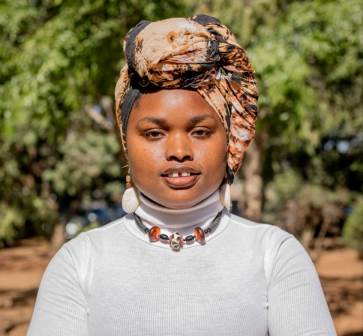
Documentary photographer and cultural heritage advocate Mfon Udoh has identified poor documentation and insecurity as two of the biggest obstacles preventing Nigeria from fully harnessing the tourism potential of its festivals. Speaking during the Naija7Wonders Zoom Conference on “Festivals & Tourism in Nigeria: A New Pathway,” Udoh expressed concern that many festivals that have existed for decades lack proper records, photographs, archives, or historical documentation.
She described the situation as a major setback for cultural preservation and tourism development. “You attend a festival that has been celebrated for 20, 30 or even 50 years, and there is no proper archive, brochure, magazine, or visual record showing its evolution. That is a serious problem,” she said. Udoh revealed that she was recently contacted by festival organizers seeking photographs for a publication because no official archive of previous editions existed.
According to her, Nigeria urgently needs digital archives to preserve festival history and make cultural information accessible to researchers, tourists and future generations. She emphasized that digital documentation has become increasingly important in attracting international visitors, noting that many tourists now discover destinations through online content. The photographer recounted how a tourism operator from Spain contacted her after viewing her cultural photography work online and requested a cultural itinerary for visitors interested in experiencing indigenous communities in Plateau State.
“What people see online influences their travel decisions. Documentation is no longer optional; it is essential for promoting festival tourism,” she stated. Beyond documentation, Udoh identified poor infrastructure and insecurity as major barriers to tourism growth. She noted that many festival venues are located in remote communities with poor roads, limited telecommunications coverage, and inadequate visitor facilities. According to her, these challenges make it difficult to market festivals as competitive tourism products.
She expressed particular concern about the cancellation of several cultural festivals in parts of northern Nigeria due to security concerns. “Many festivals were cancelled this year because of insecurity. It becomes difficult to promote festival tourism when people are afraid to travel,” she said. Udoh called on governments at all levels to move beyond policy formulation and focus on implementation, especially in the areas of security, rural infrastructure, and tourism development.
She also advocated greater recognition of cultural documentation as a professional tourism discipline. “People still ask what a cultural photographer does. Yet documentation is one of the most important tools for preserving and promoting our heritage,” she said. The tourism advocate concluded that if Nigeria can improve documentation, strengthen security, and develop supporting infrastructure, festivals could become a powerful catalyst for tourism growth, cultural preservation, and community development across the country.
