
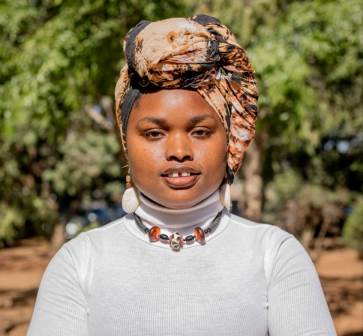
Documentary photographer and community-based tourism advocate Mfon Udoh has called for a major shift in how festivals are positioned within Nigeria’s tourism industry, arguing that they should be treated as standalone tourism destinations rather than secondary attractions. Udoh made the call while speaking as a guest at the Naija7Wonders Zoom Conference themed “Festivals & Tourism in Nigeria: A New Pathway.”
Drawing from six years of documenting cultural, religious and community festivals across several states, including Plateau, Kaduna, Bauchi, and Nasarawa, she described festivals as authentic expressions of identity, tradition, and heritage that offer far more than entertainment. According to her, festivals tell the story of a people; their beliefs, food, customs, and way of life and therefore possess significant tourism and economic value that remains largely untapped.
“Festivals are not just celebrations. They tell people who we are, what we celebrate, how we eat, how we live, and why we do certain things. They are cultural assets with enormous tourism potential,” she said. Udoh noted that while many communities have succeeded in preserving their festivals over generations, tourism operators often fail to package them as primary travel experiences. She pointed to Plateau State as an example, where numerous cultural and religious festivals take place between January and May, creating opportunities for specialized festival tourism itineraries.
“Festivals deserve their own tourism packages. They should not be presented as an add-on to a tour. People should be able to travel specifically for a festival experience,” she explained. The photographer stressed that community-based tourism offers visitors a deeper and more authentic understanding of Nigerian cultures than conventional urban tourism. According to her, many of the country’s most significant cultural experiences are located in remote villages and rural communities where traditions remain intact.
She cited her work guiding international visitors through Plateau communities, exposing them to sacred sites, indigenous customs and cultural practices rarely seen in urban centres. Udoh also highlighted the economic benefits of festival tourism, noting that local traders, artisans, food vendors, transport operators, and accommodation providers all benefit from increased visitor traffic.
“A woman selling akara, a local food vendor, a craftsman—everyone benefits when tourists come into a community. Festivals can create lasting economic opportunities if properly developed,” she said. She urged tourism stakeholders to invest in community-based tourism initiatives that empower local populations while preserving cultural heritage. According to her, festivals can become a major driver of domestic tourism, cultural preservation, and rural economic development if strategically promoted and integrated into tourism planning.
