
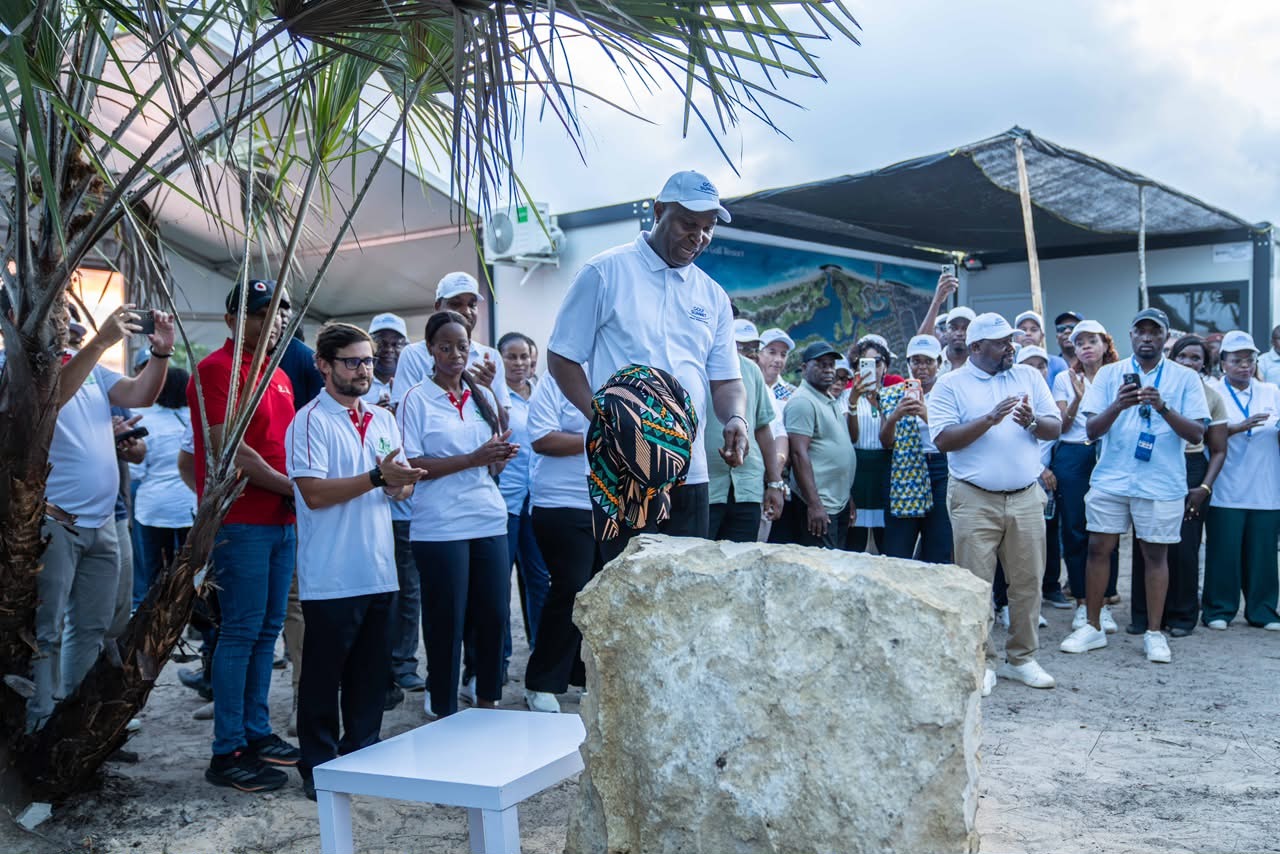
Mozambique is stepping up efforts to diversify its tourism offerings with a new golf tourism development in Vilankulo district, where President Daniel Chapo laid the foundation stone for the golf courses on November 7, marking the start of a project expected to strengthen the country’s appeal to international leisure and sports tourists.
According to tourismupdate.com, the project is part of the government strategy to boost golf tourism through tax incentives, access to reserved land, priority repatriation of dividends and a fund to finance infrastructure, training and events.
Established by Decree No. 56/2026, Mozambique’s Special Zone for Golf Tourism in Inhambane intends to attract international investment and develop a high value-added tourism segment.
Miguel Aiveca, CEO of KMA Advisory and General Secretary of the Mozambican Golf Association, says golf tourism is virtually non-existent in Mozambique.
“While Mozambique has all the right conditions for golf in terms of weather, landscape and accessibility for international visitors, there are so few golf courses. There have been several projects in the works but, due in part to a lack of political willingness, over the past eight to 10 years, I’ve seen too many projects not come to fruition.”
Aiveca still has several questions about Inhambane province’s appeal to investors.
“There is a chance that investors won’t take the risk of developing something new that isn’t in or around the capital city. Driving from Maputo to Inhambane takes around eight hours. We can count on tourists flying directly into Inhambane from, for example, Johannesburg but, without promoters, direct flights alone won’t be enough.”
READ: Africa: Mozambique, Eswatini Deepen Cooperation to Boost Regional Tourism
Aiveca points out, despite the current buzz surrounding the project, there are still a few years before they can see proper returns on the investment.
“If you start a golf project, you need at least three or four years to get the facilities in place. Infrastructure is one challenge; knowledge of the sport is another. There are currently no trained, skilled people in the area to staff a golf course. We will probably only see results in 10 years, not before.”
However, Aiveca is optimistic that the special tax arrangements will attract investors to the Mozambican golf project.
“Mozambique is probably in the best position for golf tourism among the surrounding countries. You can build amazing golf courses beside the sea, which is something special. If golf can attract tourists in the same way it did in the Dominican Republic and Mauritius, it can generate great development.”
