
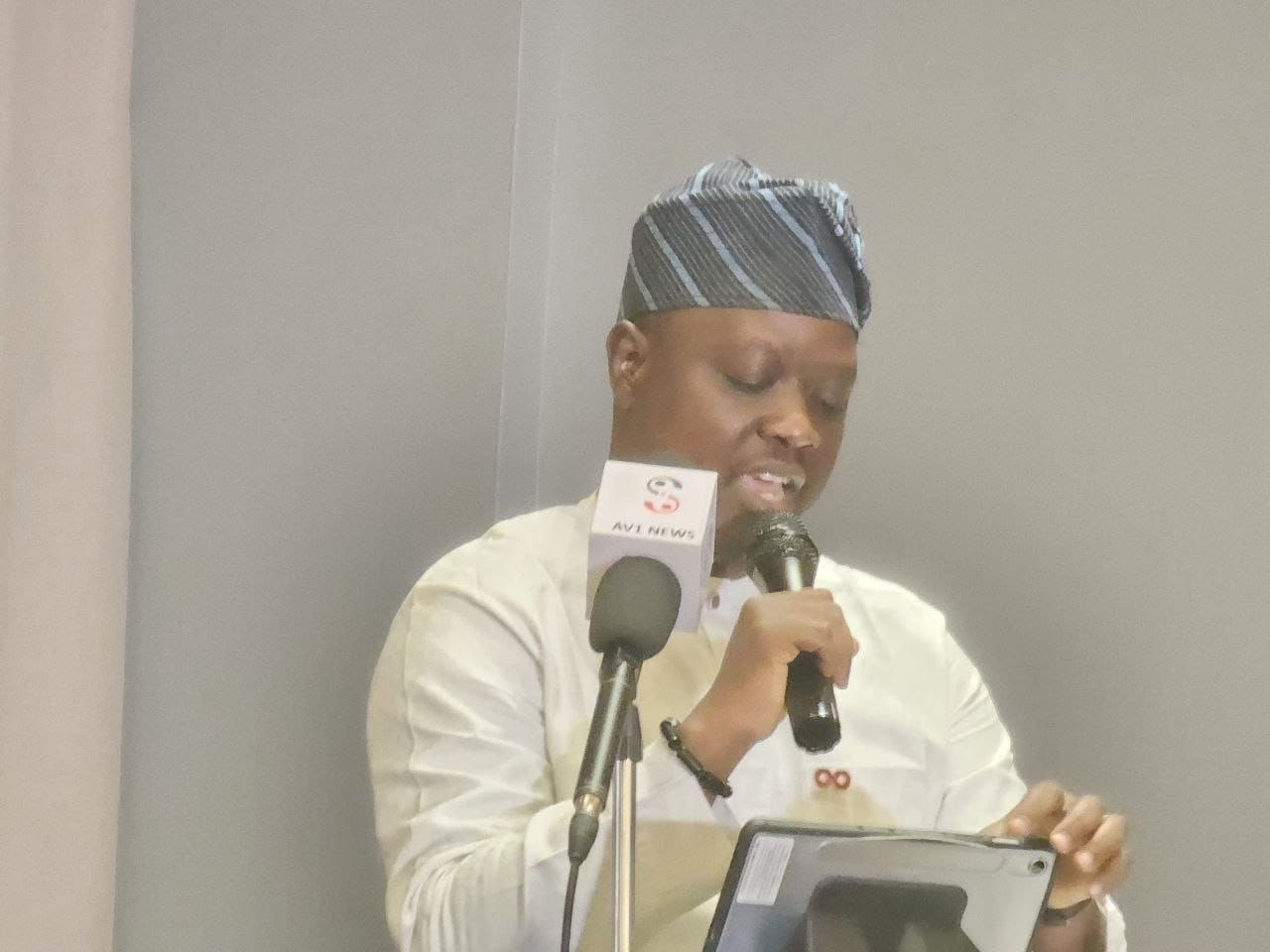
The Director-General of the Nigerian Tourism Development Authority (NTDA), Dr. Olayiwola Awakan, has called for stronger collaboration among government agencies, tourism stakeholders and the media to reposition Nigeria as a competitive global tourism destination, stressing that effective storytelling is critical to changing negative perceptions and unlocking the sector’s economic potential.
Awakan made the call in Lagos in a goodwill message at the 2026 annual conference and awards of the Association of Nigerian Journalists and Writers of Tourism (ANJET), themed “Nigerian Tourism Industry and Current Administration’s Immigration Reforms.”
He said stakeholders must look beyond regulatory disputes and focus on collaboration, noting that international audiences see Nigeria as one destination rather than its constituent states.
“Outside the shores of this country, what people see is Nigeria and not any states. So if it is Nigeria, we need to have a coordinated tourism, hospitality and travel agenda,” he said.
According to him, Nigeria has abundant tourism assets but needs a deliberate and coordinated approach to promote them effectively and translate the country’s cultural and natural wealth into economic development.
He expressed optimism that sustained cooperation among stakeholders would help move the country’s tourism industry to the next level.
Congratulating ANJET on its annual conference and awards, Awakan commended the association for its continued commitment to tourism journalism, industry advocacy and the promotion of Nigeria’s tourism potential.
He described the media as an indispensable partner in national tourism development, noting that responsible tourism journalism goes beyond reporting events to shaping perceptions, building destination confidence, attracting investments and promoting cultural heritage.
READ: Africa: NTDA Backs Igbo-Ora Twins Festival as Nigeria’s Global Tourism Attraction
He urged tourism journalists to embrace accurate, ethical and constructive reporting capable of repositioning Nigeria as an attractive and welcoming destination for domestic and international visitors.
Awakan also highlighted the media’s responsibility to communicate government policies and reforms under President Bola Tinubu’s administration, particularly those relating to tourism, hospitality standards, travel facilitation, immigration, investment and destination development.
He said effective reporting on these initiatives would improve public understanding, strengthen stakeholder engagement and create opportunities for tourism businesses.
The NTDA chief encouraged journalists and tourism writers to adopt solution-driven reporting, evidence-based analysis, destination storytelling and digital media innovation.
He also urged them to give greater attention to emerging destinations, indigenous cuisines, festivals, creative industries, hospitality businesses and investment opportunities, noting that such coverage could stimulate domestic tourism, strengthen public-private partnerships, create jobs and support economic diversification.
NTDA develops tourism-focused streaming platform
Speaking on the importance of storytelling, Awakan disclosed that the authority was working on a tourism-dedicated streaming platform designed to showcase Nigeria’s tourism attractions, culture and creative industries.
He said the project was approximately 75 per cent complete and was being developed in collaboration with private-sector partners.
Describing tourism as a private-sector-driven and community-based industry, he stressed that sustainable development would require collective action involving government, businesses, communities, media organisations and other stakeholders.
Awakan also disclosed that the NTDA was collaborating with film and media organisations, including the Film and Media Centre and the Film Academy, alongside other relevant stakeholders, to strengthen the telling and promotion of Nigerian stories.
He argued that Nigeria possesses a wealth of stories that remain largely untold, adding that compelling narratives about the country’s people, culture, arts and destinations could help counter negative international perceptions.
“Nigeria is a microcosm of stories, and we are yet to start telling these stories,” he said, urging journalists and writers to communicate the country’s identity beyond narratives of insecurity, violence and poverty.
According to him, greater visibility for Nigeria’s cultural heritage, creative industries and tourism destinations would help demonstrate the country’s diversity and potential to international audiences.
He maintained that national development was not the responsibility of government alone, calling for a stronger partnership between the public and private sectors and other members of society.
“The onus lies with us, journalists and writers, to tell these stories and what we stand for,” he said.
Awakan reaffirmed the NTDA’s commitment to working with the media on tourism marketing, destination promotion, policy communication and sustainable tourism development.
He concluded by urging stakeholders to tell Nigeria’s tourism story with truth, creativity, responsibility and national pride, stressing that well-crafted narratives could transform destinations into economic opportunities and tourism into prosperity.
He congratulated ANJET on the gathering and the award recipients for their contributions to tourism journalism and national development, while wishing the association a successful conference and fruitful deliberations.
