
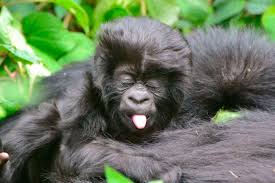
This year marks the 20th anniversary of the event, celebrating the birth of over 400 gorillas that have helped boost Rwanda’s population from 880 in 2012 to 1,063 today.
According to theeastafrican.co.ke, Kwita Izina was officially introduced in 2005 to celebrate Rwanda’s conservation achievements, engage communities, and raise global awareness.
Over the past 20 years, Kwita Izina has become one of Africa’s leading events on conservation and sustainable tourism, attracting global icons, conservationists and thousands of attendees annually.
Irine Murerwa, chief tourism officer at the Rwanda Development Board, said the ceremony has become a symbol of conservation, community and culture in Rwanda.
“The mountain gorilla population in the Virunga Massif has increased from 880 in 2012 to over 1,063 today. This success highlights the impact of community-based conservation and strategic partnerships,” she said.
Over the years, Rwanda has invested heavily in raising the profile of gorilla tourism, as well as working with local communities to protect the ecosystem and maximise tourism revenues, 10 percent of which are shared with the park communities.
“Through initiatives like the Tourism Revenue Sharing Programme, which allocates 10 percent of tourism income back to local communities, we have improved schools, roads, and access to clean water. This demonstrates that when conservation benefits communities, nature thrives. As we celebrate this milestone, we reaffirm our shared duty to protect biodiversity and create a sustainable future for generations to come,” Ms Murerwa said.
However, the Rwandan authorities face the challenge of balancing the growth of the gorilla population with the expansion of Volcanoes National Park by 37 kilometres, at the expense of human settlement.
The government has kicked off a plan to relocate more than 3,000 households through expropriation, amid grumbles of unfair compensation and that the alternative land on which they are being resettled is less fertile.
The northern part of Musanze district, where the Volcanoes National Park is located, is the country’s food basket, known especially for producing potatoes.
Many people in this region rely on farming for income, and they claim that relocating them to overused, less fertile lands will impact their earnings, and that expropriation without commensurate compensation could deepen poverty.
The expansion of the park will also affect pyrethrum growing, as this region is one of the few where the crop thrives in the country.
Athanase Mugwiza, a farmer in Musanze, says that the relocation will change their farming life forever.
“Our soils are unique for producing high quality potatoes and pyrethrum, but expanding the park has pushed us to less fertile areas in other parts of the country that even using fertilisers does not guarantee high quality yields and it will financially affect my family,” he said.
Rwanda’s tourism revenues reached $647 million in 2024, a slight increase from $620 million the previous year, with the sector welcoming 1.36 million visitors.
The Rwanda Development Board says the growth was propelled by a 27 percent surge in revenues from gorilla tourism and a strong performance of the MICE (Meetings, Incentives, Conferences, and Exhibitions) sector.
Campaigns like Visit Rwanda with some of Europe’s top football teams such as Arsenal, Bayern Munich and PSG have contributed to an increase in the numbers of visitors.
The World Travel & Tourism Council forecasts the sector will contribute significantly to the economy, accounting for 10 percent share of GDP by 2035.
