
Uganda has officially ended its Ebola outbreak caused by the Bundibugyo virus after completing 42 consecutive days without recording a new confirmed case, the World Health Organization (WHO) and Africa Centres for Disease Control and Prevention (Africa CDC) have announced.
The declaration follows the discharge of Uganda’s last patient, an imported case, on 16 July 2026. The subsequent 42-day monitoring period is equivalent to twice the upper limit of the virus’s incubation period and is the internationally established benchmark for confirming that Ebola transmission linked to an outbreak has ended.
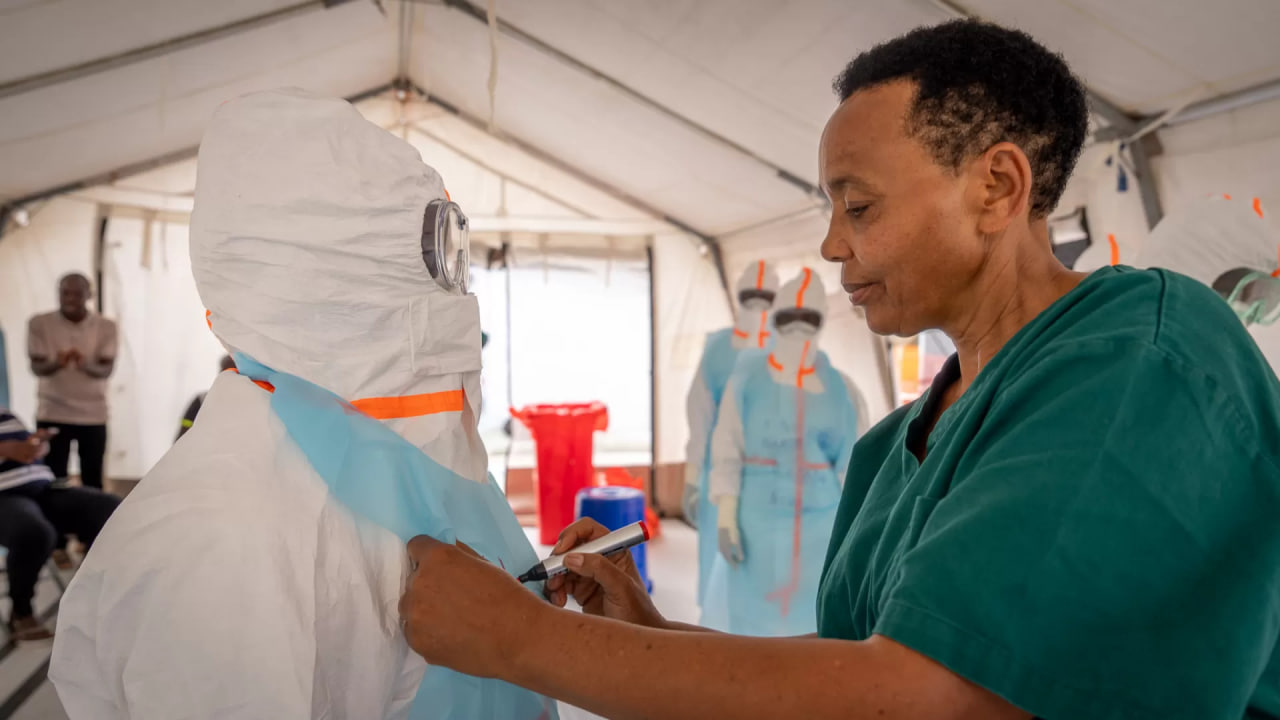
Uganda declared the outbreak on 15 May 2026 and recorded 20 confirmed cases, including 15 imported cases from the Democratic Republic of the Congo (DRC) and five locally acquired cases among contacts and health workers. Eighteen people recovered, while two died, with more than 800 contacts identified and monitored. WHO and Africa CDC attributed Uganda’s rapid containment of the outbreak to strong government leadership and early public-health interventions, including case detection, contact tracing, isolation and clinical care, infection prevention and control, community engagement, and enhanced surveillance at health facilities and points of entry.
READ: News: African Airlines Played Key Role in Tackling Ebola, Mpox Outbreaks, says Africa CDC
WHO Director-General Dr Tedros Adhanom Ghebreyesus commended Uganda’s response, stressing the importance of preparedness, surveillance and effective management of points of entry in controlling Ebola while allowing people and goods to continue moving safely. Despite Uganda’s success, health authorities remain vigilant because the Ebola outbreak is continuing in neighbouring DRC, where close social and economic ties, cross-border movement and trade create a continuing risk of imported cases.
WHO said it does not recommend travel or trade restrictions, including flight suspensions or border closures, in response to Ebola outbreaks. Instead, countries are encouraged to maintain travel and trade while strengthening surveillance, preparedness and cross-border cooperation.
