
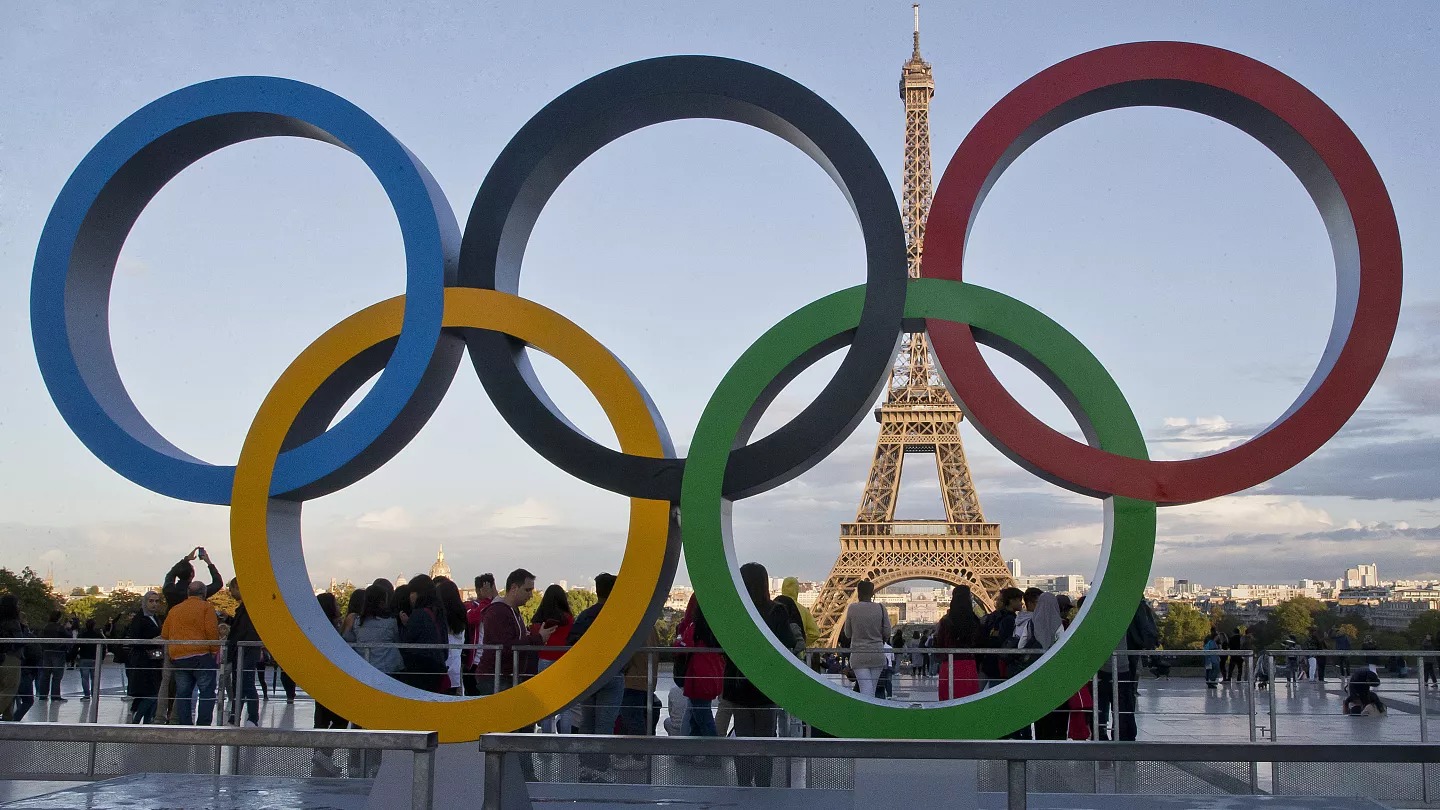
The Olympic Games bring significant global attention to host cities, yet this heightened visibility does not always translate into a substantial increase in international visitors. While the event showcases the city on a world stage, the actual impact on tourism can vary.
According to skift.com, Corinne Menegaux, director general of Paris je t’aime, the city’s tourism board, said this year’s Olympics won’t be a major draw for non-French sports fans. Air France has backed away from expecting a bump form the Games, as has Accor.

Skift recently reported that less than 15% of the fans expected to come to Paris for this year’s Olympics are foreign.
READ: Africa: Ethiopian Olympic legend Haile Gebrselassie Opens His Eighth Hotel, Hopes To Open 12 More
So do the Olympics have a long-term impact on tourism?
We put the question to Ask Skift, our artificial intelligence chatbot. Ask Skift used information that appeared in our past news coverage, and we did additional reporting on the subject.
What Ask Skift Said:
The impact of the Olympics on tourism is complex and varies by location and timing. Here are some key insights based on past events:
Short-Term Displacement: Hosting the Olympics can create a “ghost town” effect in central areas, as seen in London during the 2012 Olympics. Many regular tourists avoid the city due to fears of disruption, expense, and overcrowding. This phenomenon is known as “displacement.”
READ: News: Five ‘Nigerians in Diaspora who won medals for other countries at Tokyo Olympics
Visitor Numbers vs. Spending: While the number of visitors might decrease, those who do attend, often Olympic ticket holders, tend to spend more. For example, during the London 2012 Olympics, the UK saw a 5% decrease in visitor numbers but a 9% increase in overseas visitor spending.
Long-Term Economic Impact: The long-term economic boost from hosting the Olympics is often elusive. Despite the initial influx of visitors and spending, the anticipated long-term benefits, such as increased tourism and trade, do not always materialize. For example, Japan hoped to leverage the Tokyo 2020 Olympics to boost its tourism, but the actual long-term benefits remain uncertain.
Localized Benefits: Smaller boroughs or less central areas may benefit more from the influx of international tourists. In London, areas like East London saw potential benefits from increased investments and international arrivals during the 2012 Olympics.
Marketing and Promotion: Countries often use the Olympics as a marketing tool to showcase their attractions and encourage future tourism. For instance, Japan aimed to use the Tokyo 2020 Games to promote itself once travel restrictions due to the Covid-19 pandemic were lifted.
In summary, while the Olympics can bring short-term financial gains and increased visibility, the long-term benefits for tourism are less certain and can vary significantly depending on various factors including location, existing infrastructure, and global conditions at the time of the event.
