
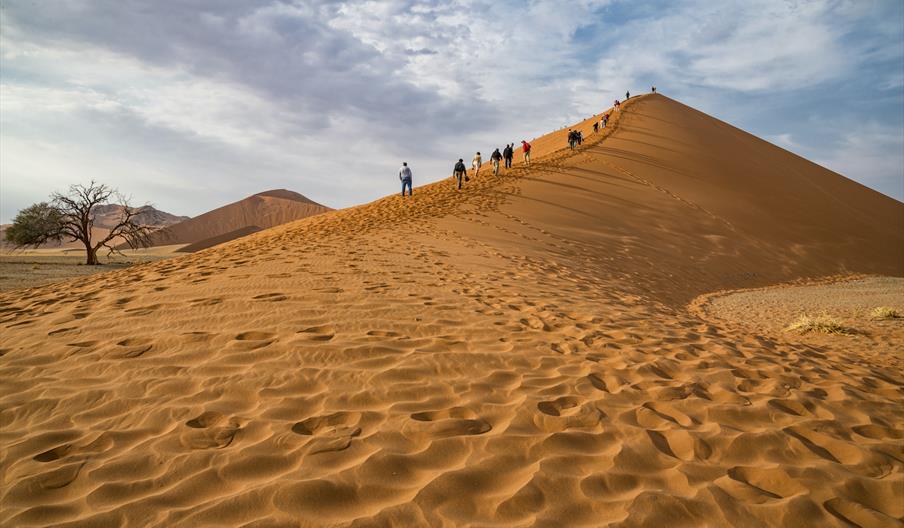
Namibia has strengthened its reputation as one of Africa’s most environmentally conscious destinations, emerging as a continental leader in sustainable tourism and surpassing several of the continent’s established tourism giants, including South Africa, Kenya, Tanzania, Botswana, Zambia, and Mozambique.
According to Travel and World Tour, this shift reflects a major transformation in Africa’s travel industry, where Namibia’s vast desert landscapes, wildlife-rich reserves, and eco-sensitive tourism infrastructure are attracting global attention for balancing economic growth with ecological preservation. While many African destinations continue expanding visitor volumes, Namibia is prioritising controlled tourism, rural empowerment through conservancies, and long-term biodiversity protection.
From the Namib Desert and Etosha National Park to community-run lodges and protected coastal zones, the country has created a tourism system that integrates nature, people, and profit in a sustainable cycle. This positioning is steadily elevating Namibia above traditional tourism giants in the continent’s evolving green travel economy. Across Africa’s evolving tourism landscape in 2026, a dramatic shift is unfolding. Namibia is emerging as a continental leader in sustainable tourism, reportedly outpacing heavyweight destinations such as South Africa, Tanzania, Kenya, Botswana, Mozambique, and Zambia. The transformation is not based on mass arrivals, but on a powerful model built around conservation-led travel, community ownership, and low-impact eco tourism systems that are redefining how African destinations compete globally.
Namibia’s rise signals a new tourism order in Africa—one where ecological protection, cultural integrity, and controlled visitor flows matter more than volume-based tourism expansion. While traditional destinations still dominate in scale, Namibia is increasingly being recognised for quality-driven, sustainability-first tourism planning that aligns with global climate and conservation priorities.
Namibia’s tourism dominance is rooted in its unique community-based natural resource management system, where rural communities are legally empowered to manage wildlife and tourism benefits.
- Local conservancies control large wildlife zones
- Tourism revenue flows directly into rural economies
- Eco-lodges operate under strict environmental limits
- Wildlife populations are protected through community incentives
This model has positioned Namibia as one of Africa’s most stable and conservation-focused tourism economies. Instead of high-density tourism corridors, Namibia promotes vast open landscapes with controlled visitor pressure, ensuring long-term ecosystem balance. The country’s strategy prioritises low-volume, high-value tourism, which attracts premium eco-travellers seeking untouched landscapes such as the Namib Desert, Etosha National Park, and Skeleton Coast.
