
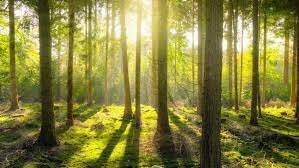
Forests cover an estimated 4.06 billion hectares globally—nearly one-third of the planet’s land area—with Russia, Brazil, Canada, the United States, China, and the Democratic Republic of the Congo ranking as the top six countries with the largest forest areas.
According to the Food and Agriculture Organization (FAO), published by cntraveller.in, these nations collectively play a critical role in global climate regulation, biodiversity conservation, and carbon storage.
Yet this forest wealth is not evenly distributed. Over half of the world’s forested area is concentrated in just five countries.
These forest giants vary in the types of forests they support, from tropical rainforests to boreal taiga. The data below draws primarily from the FAO’s Global Forest Resources Assessment 2020, supplemented by national forest reports and global satellite-based estimates. Figures refer to total forest area in hectares, not forest cover as a percentage of land mass. This list reflects the countries with the largest forest area in absolute terms, offering a snapshot of the planet’s major forest custodians.
The countries with the largest forest areas
Russia
Russia is home to the largest forest area in the world, covering over 815 million hectares, nearly 20% of the planet’s total forested land. Much of this is boreal forest, or taiga, stretching across Siberia. These forests are vital carbon sinks, playing a key role in global climate regulation. Despite their ecological importance, Russia’s forests face pressures from logging, wildfires, and permafrost melt exacerbated by climate change. Enforcement of conservation laws remains uneven, especially in remote regions.
Brazil
Brazil’s forests span approximately 497 million hectares, dominated by the Amazon Rainforest, the world’s largest tropical forest. These ecosystems support unparalleled biodiversity and serve as critical buffers against global warming.
Canada
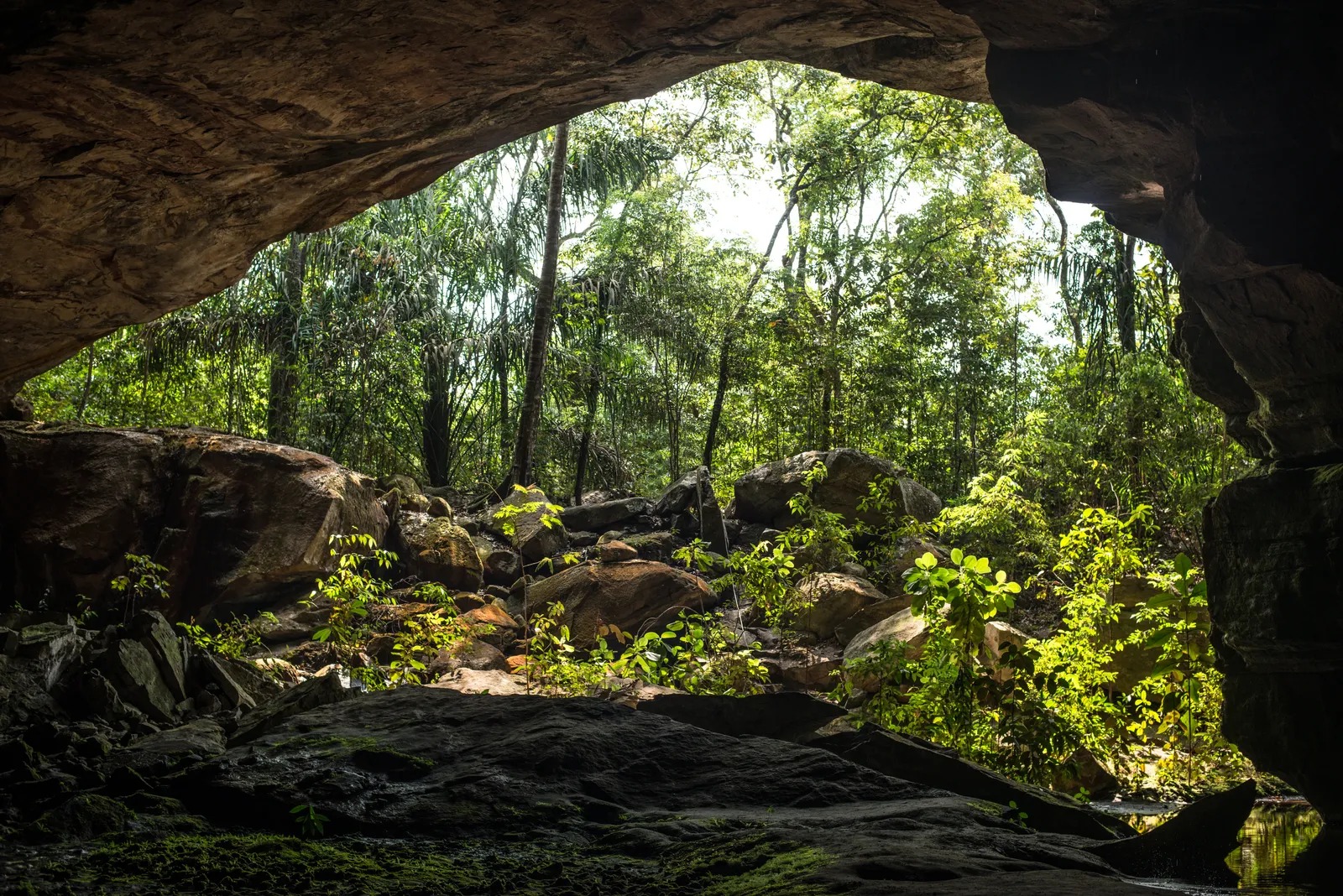
Canada has about 347 million hectares of forest, accounting for nearly 9% of the world’s total forest area. The vast majority lies in boreal zones, covering the country’s northern and interior regions. These forests play a key role in global carbon storage and are largely intact. Canada’s forestry sector is heavily regulated, with sustainability certifications and protected area networks.
United States
The U.S. has approximately 310 million hectares of forest, spanning temperate, boreal, and tropical ecosystems, especially in Alaska, the Pacific Northwest, and parts of the Southeast.
Forest management in the U.S. is divided between public and private lands, with the U.S. Forest Service overseeing significant federal holdings.
China
China holds around 220 million hectares of forest, a figure that has grown substantially due to aggressive reforestation and afforestation programs in recent decades. The country’s total forest area is a mix of natural and planted forests, reflecting its policy-driven efforts to combat desertification and reduce carbon emissions.
Australia
Australia’s forests span nearly 125 million hectares, ranging from tropical rainforests in Queensland to eucalyptus woodlands and dry sclerophyll forests in arid zones. These forests host a high number of endemic species but are highly vulnerable to drought, bushfires, and climate change. Large portions are managed as public land, but deforestation due to agriculture and logging has led to significant forest loss, particularly in Queensland and New South Wales.
Democratic Republic of the Congo
The DRC has around 126 million hectares of forest, most of it in the Congo Basin, the second-largest tropical rainforest after the Amazon. These forests are essential for regional rainfall patterns and global biodiversity, home to species like bonobos, okapis, and forest elephants. However, deforestation due to agriculture, fuelwood collection, and artisanal mining continues largely unchecked due to limited infrastructure and enforcement capacity.
Indonesia
Indonesia’s forests cover about 92 million hectares and include some of the world’s most biodiverse ecosystems, particularly in Sumatra, Borneo, and Papua. These tropical forests are under immense pressure from palm oil plantations, logging, and infrastructure projects. The country has made strides in forest governance, including a moratorium on new forest clearances, but illegal deforestation and peatland degradation remain significant issues.
Peru
Peru holds roughly 72 million hectares of forest, mostly in the Amazon basin. These forests are incredibly rich in biodiversity and provide essential ecosystem services to the broader Andean and Amazonian regions. Indigenous communities manage large portions of forest land, often acting as de facto stewards. Yet, threats from illegal mining, logging, and agricultural encroachment are growing, especially in remote regions where monitoring is difficult.
India
India has over 72 million hectares of forest, making it one of the top ten forest-rich countries globally. While its forest cover represents about 24% of the country’s total land area, this includes both dense natural forests and open or degraded areas. The forests of the Western Ghats, Northeast, and central India are biodiversity hotspots. India’s forest policy focuses heavily on afforestation, but pressures from population growth, development, and climate stress pose ongoing challenges to forest conservation.
What counts as forest cover?
Forest cover refers to the total area of land that is occupied by natural or planted tree formations, typically over 5 metres in height and with a canopy cover greater than 10%. It includes primary forests, secondary growth, and plantations, but excludes tree crops like orchards or urban tree cover.
Where is this data from?
This list is based on the 2023 edition of the Global Forest Resources Assessment by the Food and Agriculture Organization (FAO) of the United Nations, which compiles self-reported national forest inventories and satellite-based estimates. Additional insights have been drawn from World Bank datasets and Mongabay’s annual forest statistics to reflect both total forest area (in square kilometres) and the percentage of each country’s landmass covered by forest.
Does this include tropical rainforests only?
No. This list includes all types of forests: tropical, temperate, boreal, and subtropical. So while Brazil and Indonesia represent tropical rainforest regions, countries like Russia and Canada are dominated by boreal forests, and China includes large areas of temperate and subtropical forest.
Does this ranking change each year?
Slightly. Forest cover changes gradually due to reforestation, deforestation, or natural changes. While countries may shift places depending on new policies or land-use practices, the top forest-rich nations tend to remain relatively consistent.
