
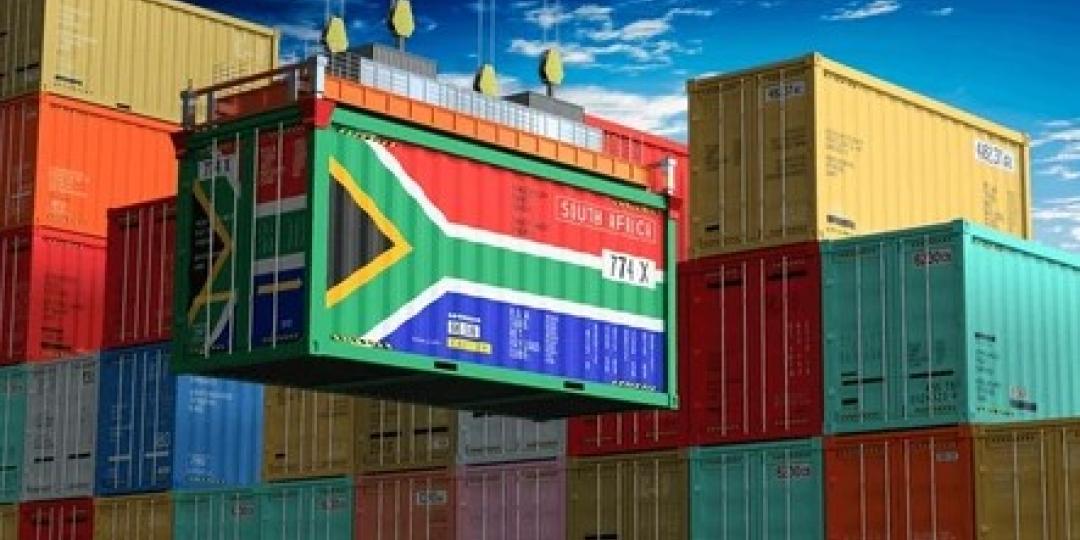
South Africa has initiated the design phase for its new state-owned shipping company, the South African Shipping Company (SASCO), marking a significant step toward reestablishing a national maritime presence after more than two decades.
According to Ecofinagency, since the dissolution of Safmarine in 1999, South Africa has relied entirely on foreign carriers to transport its trade flows, despite its strategic maritime position. To address this, the government is advancing plans to establish a public shipping company.
The Department of Transport has invited shipping companies to participate in a steering committee tasked with shaping the structure of the future South African Shipping Company (SASCO). This marks the country’s first concrete step toward re-establishing a national maritime fleet in over two decades. Safmarine, established in 1946, served as South Africa’s flagship commercial shipping company until its acquisition by Denmark’s Maersk in 1999. The brand was fully integrated into Maersk by 2020, ending all operations under the South African flag.
READ: Aviation: Mango Airlines Poised for A Comeback, 4 Years After being Grounded in South Africa
The SASCO project aims to restore national capacity for import and export transport—now almost entirely managed by foreign entities. This dependence has been identified as a vulnerability, particularly amid repeated global supply chain disruptions. The steering committee will define the project’s terms of reference and assess structuring options such as acquiring ships or purchasing local maritime companies. It includes representatives from the Department of Transport, the Development Bank of Southern Africa (DBSA), the Industrial Development Corporation (IDC), and other maritime stakeholders. DBSA and IDC are expected to provide strategic and financial support to ensure the project’s viability.
SASCO is anchored in a draft law introduced in 2022, which proposes a public entity operating a mixed fleet of container ships, bulk carriers, tankers, chemical carriers, bunkering barges, and cabotage vessels. The company would also provide related logistics services including cargo handling, storage, customs processing, and maritime skills training.
This initiative aligns with the Comprehensive Maritime Transport Policy adopted in 2017, which identified the absence of a national fleet as a critical barrier to South Africa’s commercial and maritime competitiveness. Located along one of the world’s key shipping lanes, South Africa remains the only BRICS nation without a merchant fleet under its own flag. Reviving a national shipping line is seen as a vital step to rebuild maritime expertise, strengthen the local sector, and reinforce economic sovereignty.
