
Following an 18-month strategic call for provincial and municipal proposals, the South African government has unveiled a R1 billion tourism infrastructure pipeline.
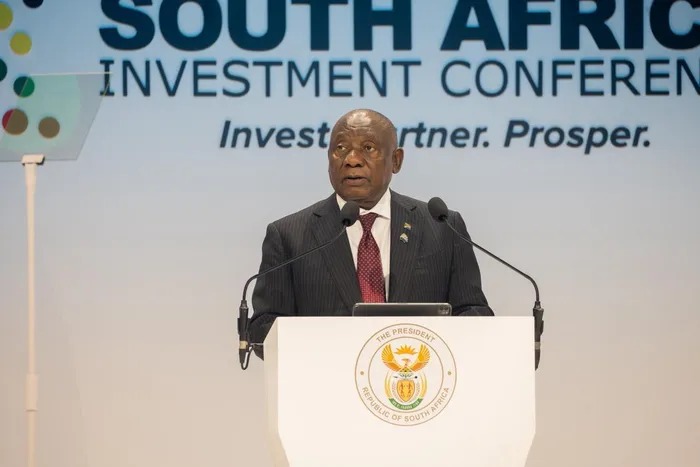
This milestone, which was announced at the Investment Opportunity Commission on Infrastructure, Tourism and Hospitality, during the Sixth South Africa Investment Conference on Tuesday, consists of eight investment-ready projects designed to move the sector beyond temporary visitor attraction toward long-term structural sustainability. According to sanews.gov.za, Tourism Minister Patricia de Lille said the projects mark a shift in how tourism is being positioned.
“For the first time at this Investment Conference, tourism infrastructure investment projects are being presented not as ideas, but as opportunities,” de Lille said. She said the initiative is aimed at diversifying South Africa’s tourism offering, introducing new products, and maintaining existing infrastructure. “We have to diversify our tourism offering to the rest of the world, bring in new products, but also look at maintenance of our existing tourism infrastructure,” she said. De Lille emphasised that tourism is one of the most employment-intensive sectors, making infrastructure development critical to job creation and economic growth.
She added that investor confidence depends on how projects are structured. “Investors ask the same questions: is there a credible pipeline? Is the regulatory pathway clear? Are risks allocated appropriately, and are revenue streams predictable? These are the central considerations,” she said. To improve the investment process, the department has established an investment facilitation unit to streamline engagement and reduce bureaucratic delays. John Lamola, Group Chief Executive Officer of South African Airways, highlighted the critical role of air connectivity in tourism growth. He said air travel, often driven by tourism, plays a broader role in fostering global understanding.
“When people travel, they don’t just move across borders — they move across understanding,” Lamola said. He stressed that without adequate air access, even the strongest tourism offerings would struggle to succeed. “If we cannot bring people here, then even the best tourism product cannot succeed,” he said. Brand South Africa CEO Neville Matjie underscored tourism’s importance to economic development, noting that investment in the sector helps bridge social and cultural divides. Panelists agreed that tourism should be approached as an infrastructure and competitiveness issue rather than purely a destination-driven sector.
They emphasised the need for projects to be structured with clear revenue models, defined risks and long-term viability to attract investment. “Tourism must be understood not just as a destination story, but as an infrastructure and competitiveness story. That’s where the real competitive advantage lies,” one panelist noted.
