
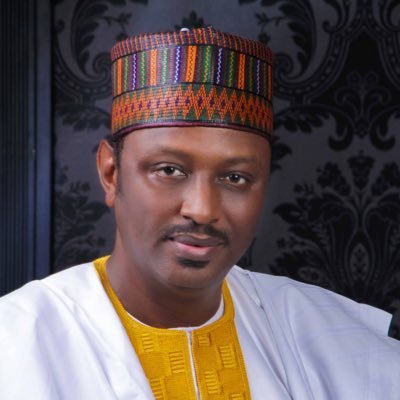
Former Director General of the National Institute for Hospitality and Tourism (NIHOTOUR), Turaki Nura Kangiwa, has described the Argungu International Fishing and Cultural Festival as more than a fishing competition, saying the event remains one of Nigeria’s strongest symbols of peace, reconciliation and cultural identity.
Speaking as a guest speaker during the Naija7Wonders Zoom Conference, Kangiwa traced the origin of the festival to 1934, when the then Sultan of Sokoto visited the Emir of Argungu as part of efforts to strengthen peace relations among communities in Northern Nigeria.
According to him, the fishing festival was organised to commemorate the visit and gradually evolved into one of Africa’s most celebrated cultural events. “It is not just about fish. It is the story and significance behind the festival that matters,” Kangiwa explained. He recalled that after Nigeria’s civil war, the Argungu Fishing Festival became one of the first major national gatherings where Nigerians from different ethnic backgrounds came together peacefully. “Hausas, Igbos, and Yorubas entered the same river struggling for the biggest catch, yet nobody tried to hurt the other. That is the symbolism and power of the festival,” he said.
Kangiwa noted that beyond fishing, the festival also features a variety of traditional sports and cultural activities including wrestling, local boxing, archery, polo tournaments, essay competitions, and quiz contests for students. He emphasized that these activities contribute significantly to preserving indigenous culture and promoting domestic tourism. The tourism expert also highlighted the importance of the Argungu Museum, which he described as one of the best cultural museums in Nigeria, adding that more investment is needed to fully harness the tourism potential of the destination.
He called on tourism promoters, investors, and government agencies to work collectively to reposition the UNESCO-recognized festival as a global tourism product capable of attracting more visitors and stimulating local economic development. Kangiwa further urged private sector participation in hospitality and tourism infrastructure, particularly hotels and restaurants, to support the growing profile of the festival. “Argungu already has the content and heritage value. What is needed now is investment, accommodation, and stronger destination management,” he said. He concluded by calling for urgent collaboration to preserve what he described as a “World Heritage event” for future generations.
