
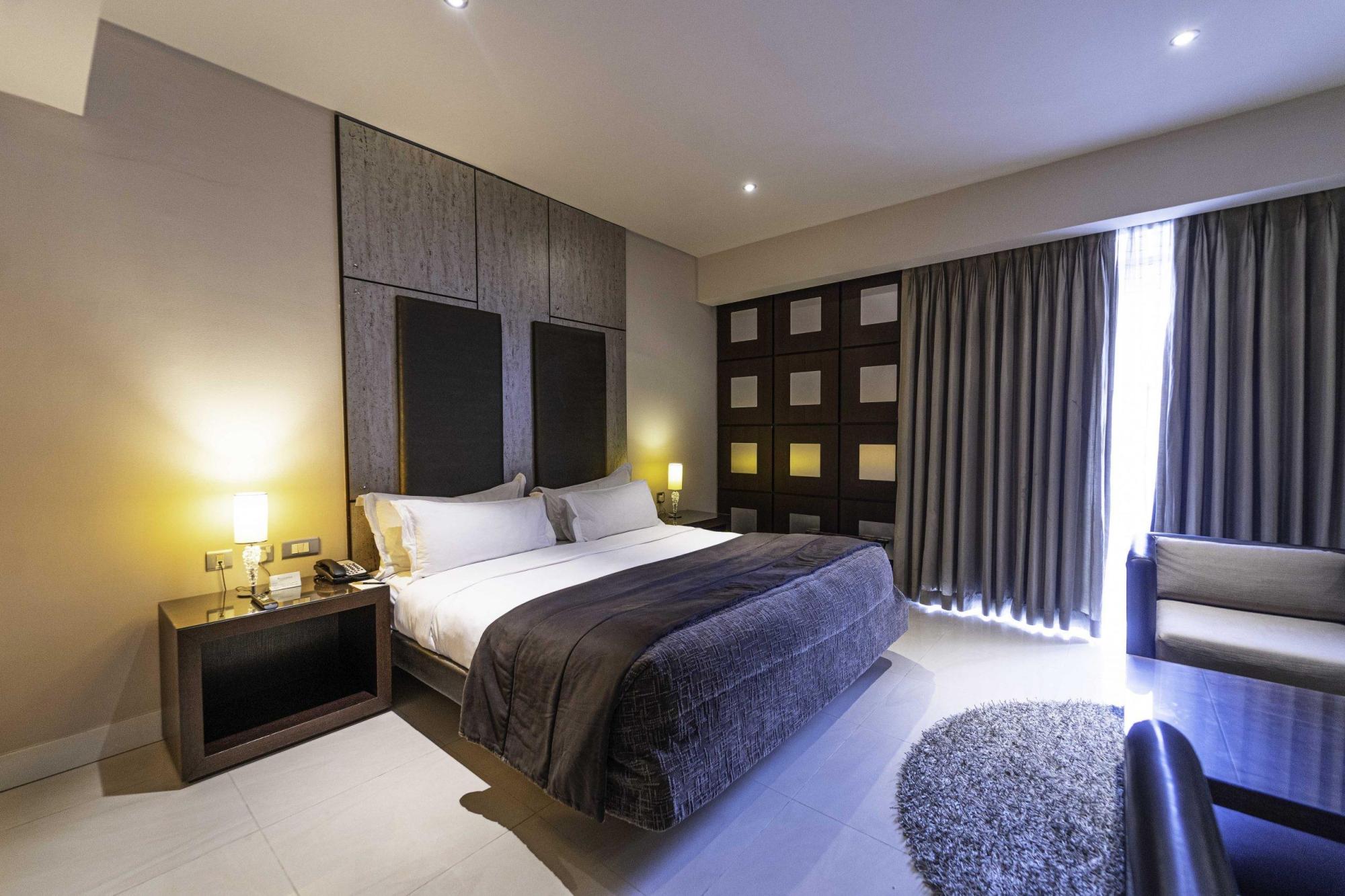
By the time the conversation at the Naija7Wonders Zoom Conference 3.0 turned to hotels, hospitality, and the now-global phenomenon known as “Detty December,” one thing had become clear: Nigeria’s tourism economy is no longer being driven only by landmarks or festivals. Increasingly, it is being powered by experience.
For Salome Danjuma, Food, Beverage, and Spa Manager at The Wheatbaker, the story of Detty December is not just about nightlife or celebrity concerts. It is about a shift in perception, a moment where Nigerian businesses, local culture, and indigenous hospitality are beginning to command global attention on their own terms.
Speaking during the conference themed “The Lessons and Impact”, Danjuma painted a vivid picture of what the December boom looked like from inside one of Lagos’ most recognizable boutique hotels. According to her, the period was not simply busy; it was transformational.
“We made three times the revenue we have ever made in any month,” she said while reflecting on the reopening of the hotel’s spa after renovations. “It was the highest gross revenue we’ve ever made as a hotel.”
That statement carried more weight than a standard hospitality success story. The Wheatbaker’s spa had existed for nearly eight years, yet December became what she described as its “defining month.” Behind those numbers, however, was a deeper narrative about identity, branding, and the rising appeal of proudly Nigerian luxury experiences.
Danjuma repeatedly returned to one central idea throughout her presentation: African excellence should not be presented as an alternative to global standards, but as part of them.
“We are very deliberate in making it African proud and Nigerian proud,” she explained. “When people see The Wheatbaker, an indigenous hotel, there is excellence.”
That philosophy appeared to resonate strongly with the broader conversations happening throughout the conference. As stakeholders discussed tourism development, festivals, and Nigeria’s global image, Danjuma’s contribution grounded the debate in practical economic realities. Hotels, restaurants, spas, bars, transport providers, suppliers, and even small-scale vendors are all part of the tourism ecosystem benefiting from seasonal tourism surges like Detty December.
For many attendees, one of the most striking aspects of her presentation was how she described hotels as emotional entry points into Nigeria.
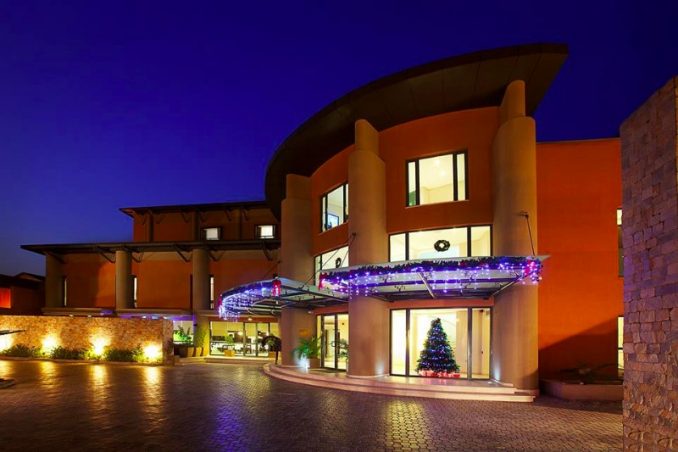
“The hotel is the first place where people get to sit down and catch a breath,” she said, referring to international visitors and returning Nigerians arriving during the festive season.
That observation revealed an important tourism insight: visitors are no longer satisfied with accommodation alone. They are searching for immersion. They want nightlife recommendations, fashion destinations, local cuisine, live music, cultural experiences, and authentic Nigerian stories.
According to Danjuma, guests constantly arrived with questions: Where are the best clubs? Which restaurants are trending? Where can they buy Nigerian fashion? Where can they experience the culture they have been seeing online?
In many ways, her comments reflected how digital culture has reshaped Nigerian tourism. Social media, music videos, food influencers, nightlife content creators, and diaspora storytelling have all contributed to building the Detty December phenomenon organically, without the kind of centralized tourism campaigns many countries depend on.
And nowhere was that more visible than in the food scene.
Danjuma described Nigeria’s culinary evolution with visible excitement, pointing to the rapid growth of restaurants, hospitality concepts, and locally inspired luxury experiences. For her, food has become one of the country’s strongest soft-power tools.
“We have restaurants now that are internationally worthy,” she noted.
But beyond fine dining, she highlighted something even more culturally significant: the growing willingness among Nigerians to celebrate indigenous products once considered too local or unsophisticated for premium hospitality spaces.
One of the standout moments from her presentation came when she spoke passionately about Ogogoro, Nigeria’s traditional distilled spirit.
At The Wheatbaker, she explained, the hotel partnered to create its own premium version of Ogogoro, introducing it to guests during the festive season through storytelling, tastings, and curated experiences.
“You should see in December where I was offering Ogogoro shots to people,” she said with laughter. “People who would never have gone near the word ‘Ogogoro’ became willing to try it.”
The point she was making went far beyond beverages. Tourism branding, she argued, depends heavily on how Nigerians themselves talk about their own culture.
In one of the conference’s most memorable reflections, Danjuma referenced a quote she once heard during a business conversation: “The difference between Shongo and Thor is marketing.”
Her interpretation of that statement drew immediate attention from participants.
“The problem is we look down on our Shongo, and we prefer Thor,” she said. “We need to get to the point where we are proud of Shongo.”
It was a powerful metaphor for Nigeria’s broader cultural dilemma: the tension between imported validation and local confidence. Throughout the conference, presenters repeatedly returned to the need for Nigeria to package and present its culture with greater intentionality. Danjuma’s contribution stood out because it translated that conversation into everyday hospitality experiences.
Yet she did not ignore the industry’s difficulties.
Power supply, she admitted, remains one of the most punishing operational realities for Nigerian hotels. The cost of maintaining international standards in an environment with unstable electricity significantly affects profitability.
“The percentage of our revenue that we spend on power in Nigeria would not happen in many other countries,” she explained.
Traffic also emerged as both a challenge and an unexpected business opportunity. While many visitors struggled with Lagos congestion during the festive season, others simply stopped at the hotel to escape the gridlock, turning frustrating traffic into increased customer traffic.
Still, despite the infrastructural burdens, Danjuma remained overwhelmingly optimistic about the direction of Nigerian tourism and hospitality.
For her, the future lies not only in government policy or large-scale investment, but in national storytelling.
“We need to be our own PR team,” she urged.
That message echoed one of the strongest recurring themes of the Naija7Wonders conference itself: Nigeria’s tourism future may depend as much on perception as infrastructure.
Danjuma argued that Detty December succeeded precisely because Nigerians spoke enthusiastically about Lagos, nightlife, food, music, and homecoming experiences. Diaspora Nigerians shared those stories abroad, attracting curiosity and eventually international participation.
“It was organic,” she explained. “People spoke about it with passion.”
By the end of the session, her reflections had moved beyond hospitality management into something more profound: a call for cultural confidence.
She acknowledged Nigeria’s challenges without pretending they do not exist. But she also challenged the tendency to reduce the country to only its problems.
“Every country has its peculiarities,” she said. “But we have to become champions and ambassadors of our nation.”
As the Naija7Wonders Zoom Conference 3.0 continued its exploration of tourism, festivals, and national branding, Danjuma’s presentation offered a compelling reminder that the future of Nigerian tourism may not simply be built through massive infrastructure projects alone. It may also emerge through hotels serving local coffee with pride, bartenders introducing guests to Ogogoro, chefs elevating indigenous cuisine, and businesses choosing to tell Nigerian stories confidently.
If Detty December revealed anything, it is that the world is paying attention. The larger question now is whether Nigeria is ready to fully embrace the value of what it already has.
By Sam Opoku
