
UNESCO has expanded its prestigious World Heritage List with 26 new sites globally, spotlighting Africa’s cultural and natural treasures.
Among them are four new additions from the continent — Malawi, Cameroon, Sierra Leone, and Guinea-Bissau — with Sierra Leone’s pristine wildlife paradise earning special recognition for its ecological and conservation value.
According to discoverwildlife.com, two of these countries – Guinea Bissau and Sierra Leone – had presented their sites for nominations for the first time. It is expected that seven more African countries will present their first sites for nomination across 2026 and 2027.
26 new sites were added in total during this year’s meeting, plus the extension of two existing sites to create transboundary national parks, and the removal of three sites from the List of World Heritage in Danger – listed sites that are facing serious threats – in Madagascar, Egypt and Libya.
Gola-Tiwai Complex – Sierra Leone’s first UNESCO World Heritage Site
One of the shining stars awarded this status is the Gola-Tiwai Complex, part of the Great Gola Landscape and containing the Gola Rainforest National Park and the Tiwai Island Wildlife Sanctuary, in Sierra Leone.
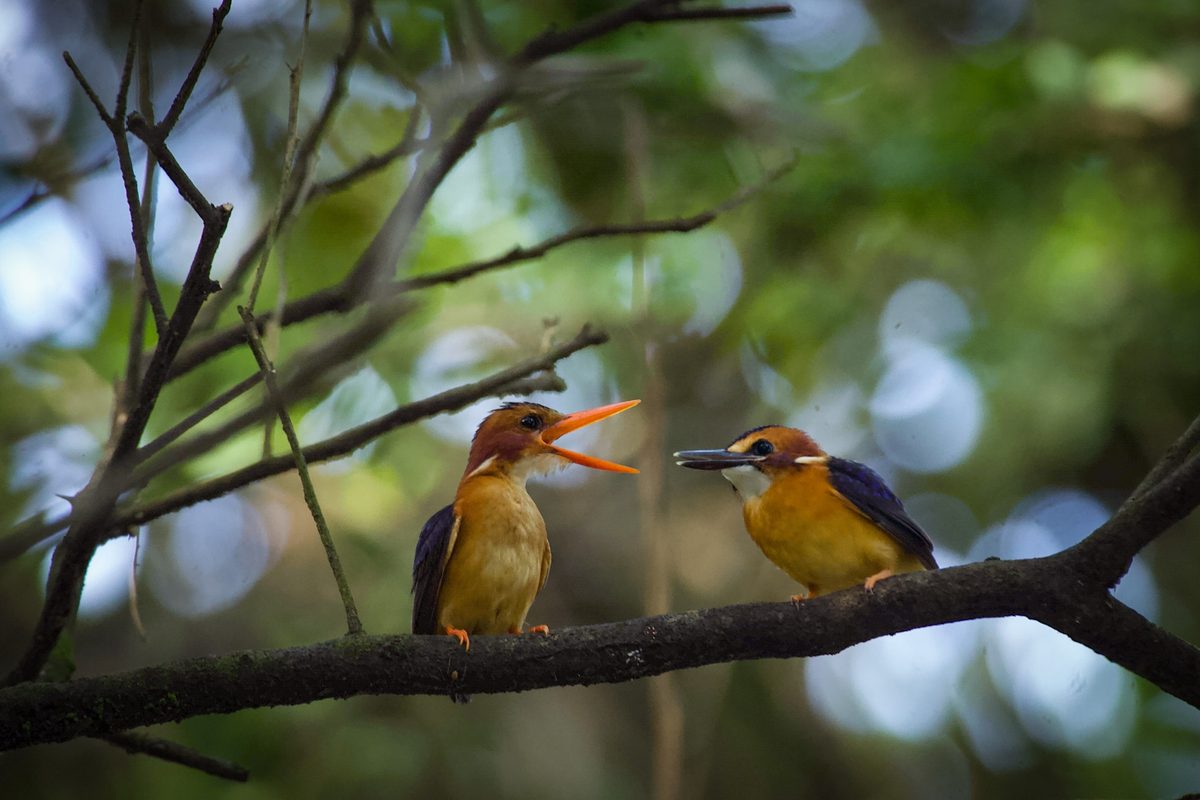
Gola is a biodiversity hotspot, home to more than 1,000 plant species, 55 mammals (including pangolins, chimpanzees, forest elephants and pygmy hippos), and supports almost 450 birds – including migratory swifts on their journey to and from Europe.
“This recognition is not just a global acknowledgment of Gola’s extraordinary ecological value but also a powerful affirmation of the generations of stewardship by local communities,” says Fomba Kanneh, from Gola Rainforest Conservation. “I feel honoured and humbled to be part of this historic moment.”
The RSPB was one of the partners involved in setting up a conservation project in Gola Rainforest National Park in 2013, which funds the park – including ranger patrols, training local farms, and delivering vital community infrastructure – through the purchase of carbon credits.
“This fantastic news is a testament to what can be achieved for conservation at a landscape scale by working closely with local communities, together with government, as well as national and international partners,” says Katie-jo Luxton, Director of Conservation at the RSPB.
The addition of new sites brings the total of UNESCO’s World Heritage Sites to 1,248 in 170 countries.
