
UNESCO has announced the addition of 58 new cities to its Creative Cities Network, bringing the total to 408 across more than 100 countries.
According to unesco.org, the newly designated cities were recognized by Director-General Audrey Azoulay for their exceptional dedication to culture, creativity, and sustainable urban development.
“UNESCO Creative Cities demonstrate that culture and creative industries can be concrete drivers of development. By welcoming 58 new cities, we are strengthening a Network where creativity supports local initiatives, attracts investment and promotes social cohesion,” Audrey AzoulayUNESCO Director-General.
This year, a new theme, Architecture, has been added to the seven existing ones: Crafts and Folk Art, Media Arts, Design, Film, Gastronomy, Literature and Music. These cities stand out for their active commitment to culture and creativity, as well as their innovative approaches to urban planning.
From Kisumu (Kenya) and New Orleans (United States of America), chosen for the vitality of their music industries, to Riyadh (Saudi Arabia) for Design, Matosinhos (Portugal) for Gastronomy, Giza (Egypt) for Film, Cuenca (Ecuador) for Gastronomy, Rovaniemi (Finland) for Architecture, Malang (Indonesia) for Media Arts and Aberystwyth (United Kingdom) for Literature, each city promotes a distinct cultural expertise, rooted in its territory and generating social cohesion and economic dynamism.
Promoting cultural enrichment
The Creative Cities Network was launched by UNESCO in 2004 to support cities that leverage culture and creativity as drivers of development. It is at the local level that this dynamic comes to life: by promoting skills, supporting creative professionals and involving residents, cities can create jobs, boost their economies and strengthen social cohesion.
By investing in cultural sectors—from Music to Design, Gastronomy and Media Arts—these cities are developing concrete strategies that meet local needs while contributing to major global goals, such as those outlined in the 2030 Agenda.
The Network encourages cooperation between cities, the sharing of experiences and the pooling of solutions. It allows members to inspire each other and strengthen the economic, social and environmental impact of their cultural policies.
UNESCO Creative Cities will be invited to participate in the Network’s 2026 Annual Conference in Essaouira (Morocco), a Creative City for Music since 2019.
Cities that joined the UNESCO Creative Cities Network in 2025 are:
- Aberystwyth, Literature
- Abuja, Literature
- Al-Madinah Al-Munawwarah, Gastronomy
- Andenne, Crafts and Folk Art
- Bistrita, Architecture
- Bobo-Dioulasso, Crafts and Folk Art
- Celje, Literature
- Cheongju City, Crafts and Folk Art
- Conakry, Literature
- Cuenca, Gastronomy
- Daugavpils, Design
- Dumaguete City, Literature
- Echizen City, Crafts and Folk Art
- Evian, Music
- Faenza, Crafts and Folk Art
- Gdańsk, Literature
- Giza, Film
- Hebron, Crafts and Folk Art
- Ho Chi Minh City, Film
- Höhr-Grenzhausen, Crafts and Folk Art
- Kahramanmaraş, Literature
- Kashan, Architecture
- Kelowna, Gastronomy
- Kisumu, Music
- Korhogo, Music
- Kuala Lumpur, Design
- Kyiv, Music
- La Spezia, Design
- Lalitpur, Music
- Liège, Music
- Lubango, Crafts and Folk Art
- Lucknow, Gastronomy
- Lund, Literature
- Lusail, Architecture
- Malang, Media Arts
- Manizales, Gastronomy
- Masaya, Crafts and Folk Art
- Matosinhos, Gastronomy
- Nan, Crafts and Folk Art
- New Orleans, Music
- Nikšić, Music
- Ponorogo, Crafts and Folk Art
- Quanzhou, Gastronomy
- Quezon City, Film
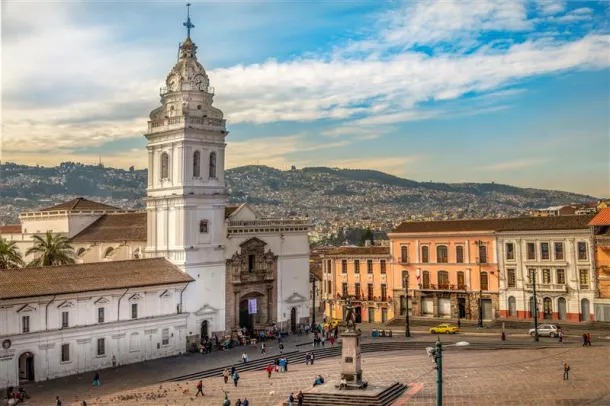
- Quito, Architecture
- Riyadh, Design
- Rovaniemi, Architecture
- Safi, Crafts and Folk Art
- San Javier de Loncomilla, Gastronomy
- San Luis Potosí, Literature
- São Paulo, Film
- Sarchí, Crafts and Folk Art
- Sifnos, Crafts and Folk Art
- Songkhla, Gastronomy
- Tangier, Literature
- Varna, Media Arts
- Wuxi, Music
- Zaragoza, Gastronomy
