
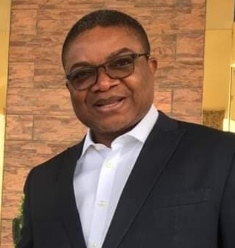
Sir Gabe Onah has outlined a multi-pronged strategy to reposition Nigeria’s festivals as globally competitive tourism products, emphasising the need for globalisation, infrastructure development, and community participation.
At the Naija7Wonders Zoom Conference themed “Festivals and Tourism in Nigeria: A New Pathway,” Onah said Nigeria must move its festivals from local relevance to global visibility by leveraging digital platforms, storytelling, and coordinated tourism calendars.
“People who make tourism decisions now live on their phones. We must engage AI platforms and tell our stories ourselves,” he said.
He identified poor infrastructure, weak connectivity, and limited access to destinations as major barriers to tourism growth, noting that tourists attending festivals often seek broader experiences beyond single locations.
“You cannot run tourism without access—roads, connectivity, and communication are critical. A tourist in Calabar wants to see waterfalls; one in Ife wants to explore nearby attractions,” he added.
Onah also stressed the importance of community ownership, warning that tourism initiatives cannot succeed without local buy-in. He cited Cross River’s experience in integrating communities into tourism value chains, including training locals in production and packaging of goods such as honey and souvenirs.
He further called for improved product packaging, quality service delivery, and stronger collaboration between tour operators and product owners, noting that many operators still struggle to present Nigerian tourism offerings effectively.
Highlighting Cross River’s long-term strategy, Onah credited policy consistency, private sector engagement, and partnerships with organisations such as USAID for sustaining tourism initiatives in the state.
He concluded that festivals, alongside Nollywood and Afrobeats, remain Nigeria’s strongest cultural exports and can drive rapid socio-economic transformation if properly harnessed.
“Tourism matters because it can change lives quickly. It is already part of who we are—we only need to package it better and present it to the world,” he said.
