
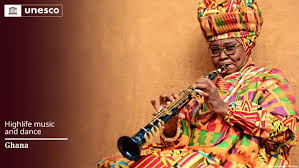
Ghana’s Highlife music and dance have been officially inscribed on the UNESCO Representative List of Intangible Cultural Heritage of Humanity, a move celebrated as a monumental recognition of the nation’s cultural identity and global influence.
According to Citi NewsRoom, UNESCO announced the inscription on Wednesday, November 10, describing the genre as a “monumental expression of Ghana’s musical genius, culture, and global influence.” The listing honours all the culture bearers, musicians, communities, and institutions that have preserved and modernised Highlife across generations.
READ: News: Six More Japanese Traditions Join UNESCO Intangible Cultural Heritage List
The recognition places Highlife among the world’s protected cultural treasures, a milestone expected to elevate Ghana’s global cultural profile and attract renewed investment in music preservation, tourism and creative arts development. The UNESCO approval cements Highlife’s place as the country’s most enduring sonic tradition, a music form whose rhythms, horn arrangements and storytelling have shaped national consciousness for more than a century. The genre has been championed by iconic musicians including E.T. Mensah, Nana Ampadu, Paapa Yankson, A.B. Crentsil, Amakye Dede, Kojo Antwi, Rex Omar, and the late K.K. Kabobo, whose works have influenced generations and inspired offshoots like hiplife and Afrobeats.
Beyond entertainment, Highlife has long served as a cultural mirror, reflecting social issues, love, morality, migration, community life and national aspirations. Listeners identify with its emotional depth, danceable rhythms and timeless narratives that cut across ethnicity, age and social class.
