
By Tonte Igbikialabo
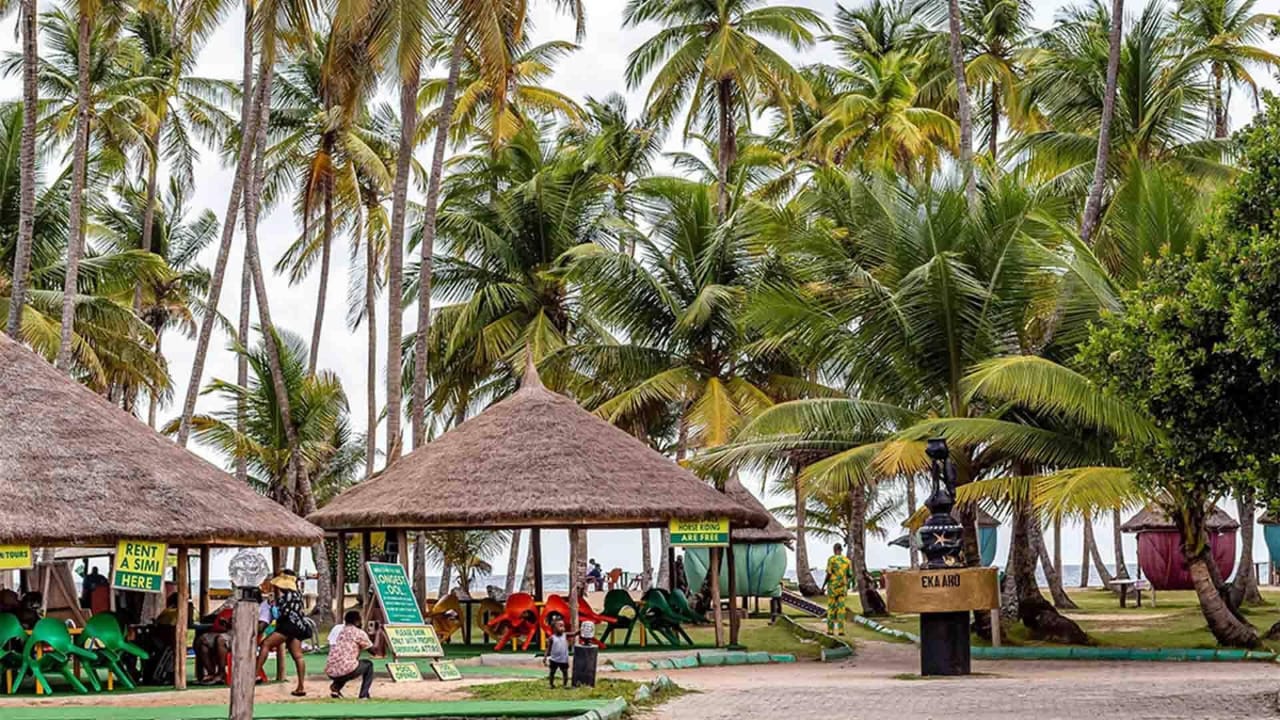
There was a time when weekends in Port Harcourt carried a certain promise the breeze off the water, the hum of music, the laughter of families gathered along the shoreline. The Port Harcourt Tourist Beach and the Port Harcourt Boat Club were not just leisure spots; they were symbols of a city that understood the value of recreation, culture, and community. Today, they stand as reminders of what once was and what could be again.
Rivers State sits on a natural advantage many regions would envy: water. Creeks, rivers, and an accessible coastline position Port Harcourt as a potential hub for waterfront tourism. Yet, potential alone does not create prosperity. Vision, planning, and execution do.
The Tourist Beach, once envisioned as a flagship attraction along Kolabi Creek, has long struggled under the weight of neglect. Infrastructure has aged, maintenance has faltered, and the energy that once drew crowds has dimmed. Similarly, the Boat Club rich in history and exclusivity remains largely insulated, its potential contribution to the broader tourism economy underutilized. What we have, in essence, are two valuable assets operating below capacity in a state that urgently needs diversified revenue streams.
But decline is not destiny.
Across the world, cities have transformed modest waterfronts into thriving economic engines. From Cape Town to Dubai, the formula is consistent: invest in infrastructure, curate experiences, invite private capital, and tell a compelling story. Rivers State does not need to reinvent tourism it needs to commit to it.
READ: Africa: Landmark Group Targets Port Harcourt with N10bn Beach Tourism Development Investment
The first step is honesty. Tourism cannot thrive in an environment where basic infrastructure is unreliable. Clean water systems, functional facilities, security assurance, and accessible roads are not luxuries; they are prerequisites. Any serious attempt to revive these sites must begin here. A refurbished beach without safety, cleanliness, and consistency will only repeat past failures.
Beyond infrastructure lies the more critical shift from passive spaces to active experiences. Modern tourism is not about location alone; it is about engagement. Visitors are drawn to destinations where there is something to do, something to remember, something to share. Water sports, cultural showcases, live entertainment, and curated events can transform the Tourist Beach from a quiet shoreline into a vibrant destination. The Boat Club, on the other hand, can evolve into a premium hub for yacht experiences, sunset cruises, and high-end social gatherings, bridging exclusivity with accessibility.
Equally important is integration. These two locations should not exist in isolation. A coordinated tourism ecosystem where visitors can move seamlessly from beach leisure to waterfront dining to boat excursions—would multiply their value. A simple water shuttle linking both points could redefine how residents and tourists experience the city.
However, government alone cannot carry this burden. The global lesson is clear: tourism flourishes where the private sector is empowered to invest and innovate. Rivers State must embrace a structured public-private partnership model that attracts credible investors while maintaining regulatory oversight. The role of government should be to create the environment, stable, secure, and predictable—within which businesses can thrive.
There is also a narrative problem to fix. Port Harcourt is too often defined by its industrial identity, overshadowing its cultural and recreational potential. This must change. With deliberate branding, the city can position itself as Nigeria’s waterfront leisure capital a destination not just for oil and gas, but for relaxation, culture, and lifestyle. A strong digital presence, strategic partnerships, and consistent event programming can begin to reshape perceptions.
Of course, challenges remain. Maintenance culture has historically undermined public projects. Environmental concerns, particularly waste management and flooding, must be addressed with seriousness. Security perceptions, whether exaggerated or real, require sustained attention. Without confronting these issues, even the most ambitious plans will falter.
Yet the opportunity is too significant to ignore.
At a time when economic diversification is no longer optional, tourism offers Rivers State a viable path to job creation, revenue generation, and global relevance. The revival of the Tourist Beach and the reimagination of the Boat Club could spark a broader transformation one that extends to hospitality, transportation, entertainment, and small businesses.
This is not merely about restoring old landmarks. It is about redefining the future of Port Harcourt.
The water is still there. The location is still prime. The story is waiting to be rewritten.
What remains is the will to act.”
