
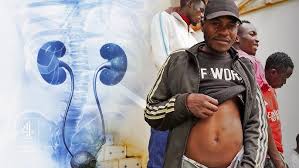
In Kenya, a troubling trend is emerging where medical desperation meets economic hardship—fueling a growing market for kidney transplants.
According to channel4.com, at the heart of this transplant tourism lies a stark reality: individuals risking their health to escape poverty, while others seek life-saving organs at any cost.
I’ve been to Kenya to investigate the murky world of transplant tourism and a black market that preys on the poor. Wealthy tourists travel here from across the world to receive illegal, but life-saving kidney transplants. The donors receive less than £2000 for donating their organs.
It’s clear these men are not the ones benefiting financially from the deal – so who is? And who exactly are these organs going to?
Across the world, thousands of patients are tied to dialysis machines, week after week, and for them, a transplant means life. However, donors are few and waiting lists are endless. For those who are wealthy and desperate, waiting isn’t an option and if they have the cash, they are prepared to pay as much as £80,000 for a life-saving transplant. They come from Israel, Germany, France and Japan and a range of African countries.
READ: Medical Tourism: The Surge in Demand for Air Medical Flights in the Middle East and Africa
On the other side there are the sellers. Many young men in Eldoret, a quiet town in western Kenya, are healthy but extremely poor, with no job, no prospects and no lifeline. So they offer the one thing they have: their body – and a kidney, at a price of £1,800.
How the two worlds meet
I’ve been investigating how these two worlds meet, and it involves a long, shadowy chain of brokers – each one taking a cut.
At the top: wealthy foreigners, using companies like Medlead, which openly advertises transplant services online. The company has agents in Kenya, who welcome clients, and arrange their stay at a luxury hotel. Medlead didn’t respond to our questions, but they’ve previously said they have no involvement in locating donors, and that they operate in accordance with the law.
Below them are local brokers and recruiters, many of whom have also sold their own kidneys. It’s essentially a pyramid. They recruit their friends, and if the friend agrees, the recruiter earns a few hundred pounds. That’s enough to feed a family, and enough to tempt another. Those higher in the chain? They earn much more.
Illegal transplants
The final stop is Mediheal Hospital, which is a separate company from Medlead. Here, they perform the crossmatch, the paperwork, the surgery. Conditions are clean, professional and efficient. But it’s illegal – not to mention unethical – for doctors to carry out a transplant when they know the donor is being paid or coerced.
As one nurse, Jane, explained to me:
“I’m conflicted because having a human heart you always wish to see someone live. Despite him buying the kidney no one wishes someone to die.”
Mediheal is so well-known in Eldoret that young men walk in asking to sell their kidneys. However Dr Srinivas Murthy, Mediheal’s chief kidney doctor, denies any knowledge of payments to donors and says his only goal is to save patients:
“It’s very painful to see somebody rotting on dialysis… it’s difficult because it’s there choice ultimately whether to sell or not… the government should help youth to find a better source of money.”
Mediheal is owned by Indian-born businessman and politician Swarup Mishra. The company claims to abide by strict ethical and legal standards – and said it would cooperate with a police investigation into transplants at the hospital. They also deny any involvement in arrangements between donors and recipients.
But this is a cycle driven by need – one human’s desperation to live, and another’s desperation to escape poverty. But when survival is for sale, who really profits?
