
The Ogun State Government has called for deeper collaboration among stakeholders in the tourism value chain to unlock Nigeria’s enormous tourism potential and position the country as a leading destination on the African continent.
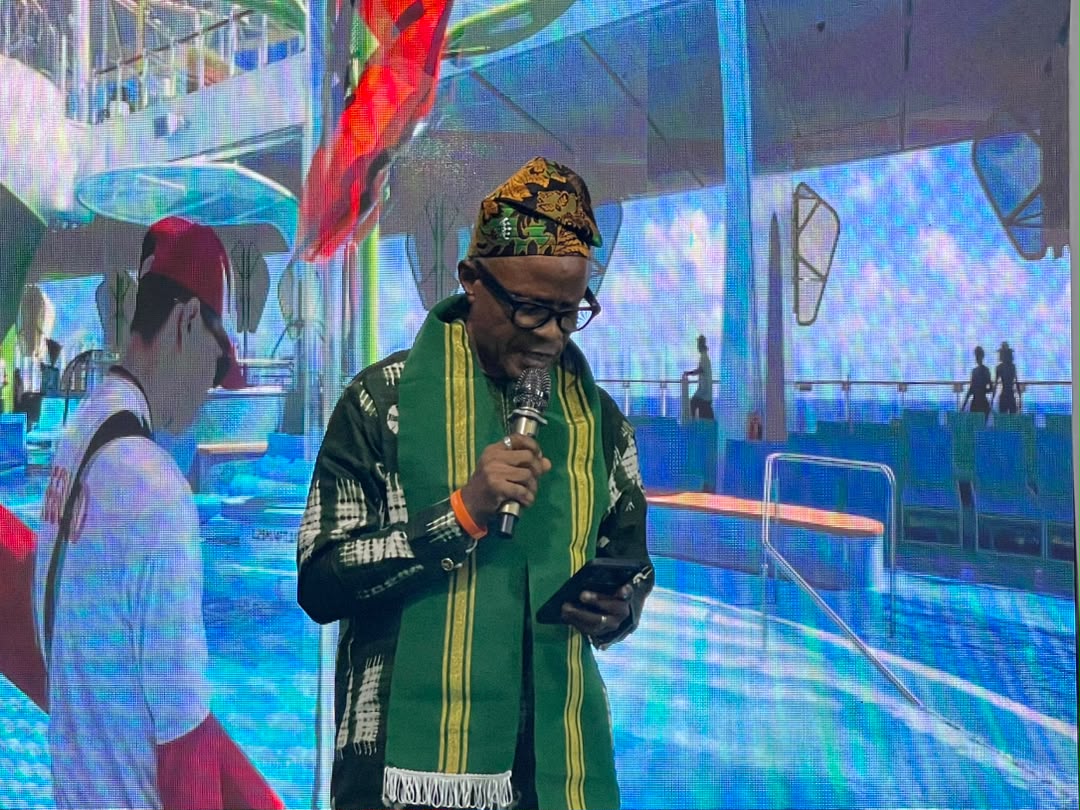
The call was made by the Commissioner for Culture and Tourism in Ogun State, Hon. Oluwasesan (Sesan) Abolaji Fagbayi, at the 10th Annual General Meeting and Conference of the Nigeria Association of Tour Operators (NATOP) held in Lagos.
Addressing participants at the gathering, which brought together industry leaders, policymakers, development partners and tourism professionals, Fagbayi commended NATOP for its commitment to advancing domestic tourism, strengthening professional standards and promoting collaboration within the country’s tourism ecosystem.
“Tourism remains one of the most powerful instruments for economic growth, diversification, cultural preservation, job creation and economic development,” he said.
According to him, countries that have successfully developed their tourism sectors have demonstrated that tourism is far more than a leisure activity, describing it as a strategic driver of investment, entrepreneurship and sustainable economic growth.
He noted that Nigeria possesses immense tourism assets, including cultural diversity, historical heritage, natural attractions and a vibrant creative industry that can make the country a leading tourism destination in Africa.
However, he stressed that realizing this potential would require a shared vision and deliberate collaboration among governments, tour operators, hospitality businesses, transport providers, investors, creative enterprises and local communities.
“It is through partnerships, such as those championed by NATOP, that we can develop compelling tourism products, improve service delivery and instill greater confidence among domestic and international travellers,” he said.
Fagbayi highlighted efforts by the Ogun State Government under Governor Dapo Abiodun to position tourism as a strategic pillar for economic growth and sustainable development.
According to him, the state has continued to invest in the revitalisation of tourism assets, preservation of cultural heritage, promotion of festivals and the creation of an enabling environment for private sector participation in tourism development.
“Our rich cultural calendar, iconic heritage sites, creative industries and hospitality centres continue to position Ogun State as a preferred destination for visitors seeking authentic cultural experiences,” he stated.
He reiterated the state’s commitment to building stronger partnerships with professional bodies such as NATOP to expand tourism opportunities, encourage responsible travel and create greater value across the tourism value chain.
Looking ahead, the commissioner urged stakeholders to embrace innovation and emerging trends that will shape the future of the tourism industry.
“Digital technology, destination branding, market intelligence, sustainable tourism practices and skills development will define our industry’s competitiveness in the years ahead,” he said.
Fagbayi described tour operators as critical players in the transformation of the sector, noting that they serve as the link between destinations and travellers while creating experiences that leave lasting impressions on visitors.
He called on industry stakeholders to sustain collaboration, promote excellence and support initiatives that would strengthen Nigeria’s tourism industry and improve its global competitiveness.
“Together, we can reposition our nation as a destination of choice, attract increased investment, create employment for our youth, empower local communities and preserve the rich cultural heritage that defines us as a people,” he said.
On behalf of the Ogun State Government and its people, Fagbayi congratulated NATOP on hosting its 10th Annual General Meeting and Conference and expressed confidence that the ideas and recommendations from the gathering would contribute significantly to the continued growth and global competitiveness of Nigeria’s tourism industry.
