
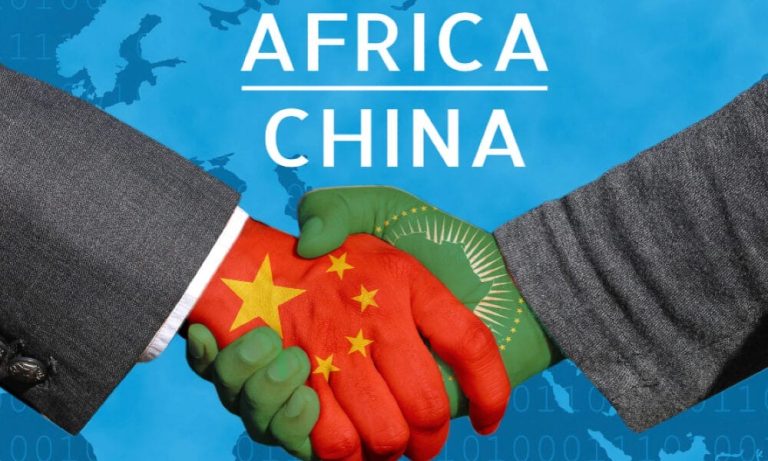
China’s decision to extend zero-tariff treatment to imports from 53 African countries is already creating new momentum for Africa-China trade, opening wider access to the world’s vast Chinese consumer market and creating fresh opportunities for African exporters.
The policy took full effect on May 1, 2026. According to data from China’s General Administration of Customs, imports from Africa reached 193.8 billion yuan (US$28.72 billion) in May and June, representing a 23.5% year-on-year increase.
Agricultural products are already recording significant gains. Imports of avocados rose 130%, while apples increased 89.6% and oranges climbed 27.9%, highlighting the potential for African agricultural producers to expand their presence in China. The policy is particularly significant because it extends zero-tariff access beyond Africa’s least-developed countries to relatively larger economies, including Nigeria, Kenya, Egypt and South Africa. Before the expansion, some African products faced Chinese tariffs ranging from 8% to 30%.
Early shipments have demonstrated the policy’s impact. South African apples, Kenyan avocados and South African wine were among products benefiting from the new tariff treatment, while an Egyptian orange shipment also entered Shanghai under the expanded arrangement. The development could help African exporters move beyond traditional commodity exports by improving the competitiveness of agricultural and value-added products in China. For producers across the continent, the challenge will now be to scale production, meet Chinese quality and phytosanitary requirements, strengthen logistics and build reliable supply chains capable of serving the market.
The surge in imports suggests that China’s zero-tariff policy could become an important catalyst for African exports, agricultural trade diversification and deeper China-Africa economic integration.
