
Since launching in South Africa in 2016 and expanding to Nigeria in 2020, Netflix has provided African filmmakers with unprecedented global exposure.
According to theconversation.com, while the platform’s presence has been celebrated by many in the creative industry, concerns are growing over the cultural compromises and content shaping driven by Western market expectations.
Finally, west Africa’s creativity and brilliance would be formally recognised on the world stage. Netflix Naija’s purpose was to produce local content for Netflix just like Netflix South Africa and later Netflix Kenya.
Some film-makers have been wary of US cultural imperialism happening through the market dominance of Netflix and other US streamers. Others have rushed to the streamer to sign deals that will gain their films and TV shows a global audience.
Netflix’s interest in African stories comes with a colonial power dynamic that research and scholarship has not fully explored. As a scholar of media and communication, I recently examined the effect US streamers are having on the stories being told in films in Nigeria and Ghana.
In my study, I argue that despite the growing global interest in African pop culture, African creative workers need to be careful about interest from global conglomerates. We can’t talk about African cinemas going global without paying attention to how Hollywood’s colonial relationship with Africa has shaped and influenced what African filmmakers believe will sell globally.
What price is being paid to appeal to global audiences? Film-makers might focus so much on the western gaze that they lose focus on telling African stories authentically and respectfully.
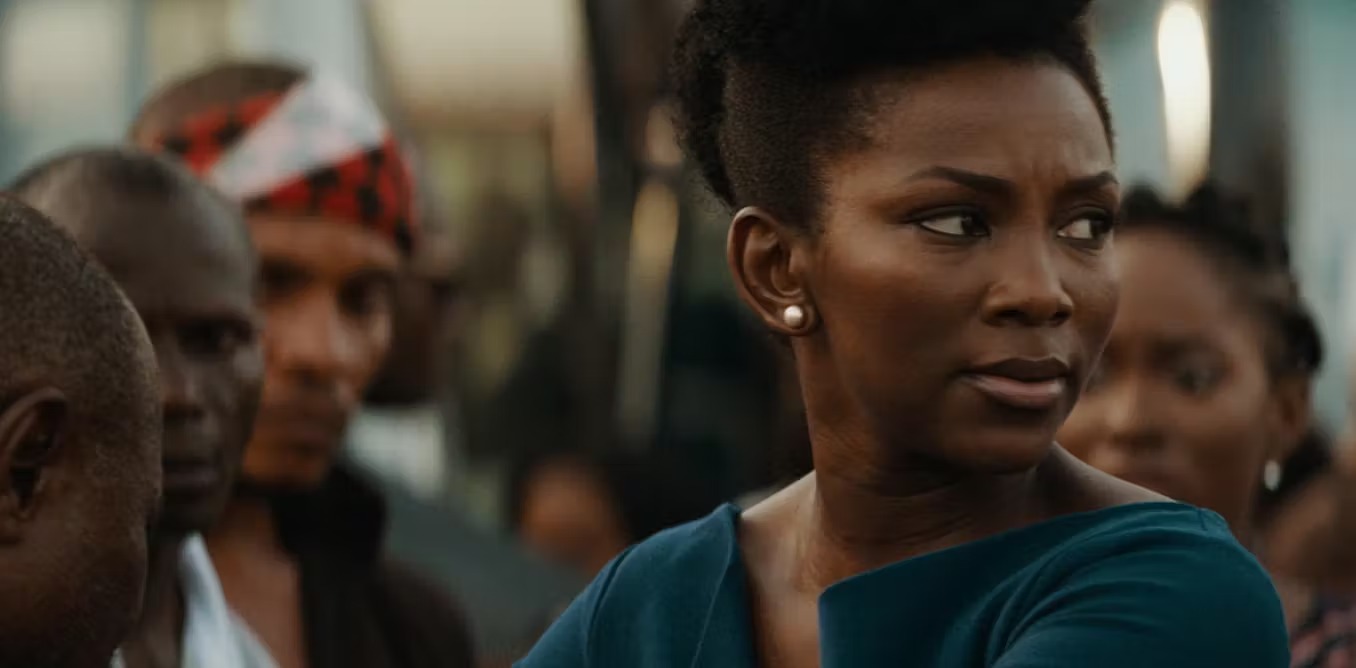
In my study, I analyse various films including the Ghanaian film Azali and the Nigerian movie Lionheart to argue that that’s exactly what’s happening.
Dancing to the tune of the west
Despite the existence of thriving African film and TV industries before the advent of streaming technologies, we are seeing a replication of what I call the everydayness of colonialism in the area of media representations of the continent.
Here, African filmmakers and producers find themselves jumping through hoops to tell stories that are “fit” to be streamed to Netflix’s millions of American, European and global subscribers. Global cosmopolitan audiences are prioritised over African audiences.
African audiences at home and in the diaspora are the reason we have vibrant film industries such as Nollywood to begin with.
This displacement of African audiences happens both in representation and in access.
Most African movie audiences do not have access to Netflix and other streaming platforms due to the digital divide and the cost of subscribing. So the target audience shifts to the elite, both African and global, who can afford to stream.
Azali and Lionheart
Ghana and Nigeria’s film industries were developed by artists who wanted to reflect their societies to their communities. I found that with Netflix’s arrival, there is a danger of disrupting and undoing this important work.
The intervention of US streamers has led to the development of glossier versions of Africa. They are universal enough to be consumed by anyone, anywhere in the world, even if it means sacrificing the integrity of stories to achieve this global appeal.
In Azali, for example, I found that the film sacrificed authentic language and geographical accuracy to tell a story for a western audience.
Azali explores the themes of child marriage, child-trafficking and rural-urban migration in Ghana. Here, a film about the Dagbamba was set in the town of Zebilla, where Dagbanli is not the dominant language.
The film cast non-Dagbanli speakers in major roles to speak a language they neither understood nor had any proficiency in. If Dagbamba had been centred as the primary audience of the movie, this cultural indignity might not have happened.
Lionheart, though star-studded, departed from traditional Nollywood narrative conventions. The film tells the story of a wealthy Nigerian family and the quest of a young woman to take control of the family business. The movie had high production values and told a story that would be considered universally relatable. However, it was disqualified in its bid for an Oscar nomination in the Best International Feature Film category because of its majority English dialogue. Despite appealing to Netflix in the area of production quality and storyline, African film-makers were still punished by the Academy.
Nigeria and Ghana’s film industries have traditionally told a wide variety of African stories. Netflix’s arrival is reducing African stories to narratives about the elite and for the global cosmopolitan elite.
Stories about the majority of Africans are being erased. Africa becomes a backdrop to tell stories about the elite class.
In my study, I argue that narrative construction is an important part of identity and that when external factors begin to determine how African stories are told, it distorts the image of Africa for Africans and raises questions of cultural sovereignty.
Moving forward
It is refreshing to see African cultures appreciated on a global scale. But this shouldn’t erase narratives about the African masses and working communities.
There are film-makers that are resisting the Netflix canon. Nigerian actress and producer Funke Akindele shows that this is possible in A Tribe Called Judah. Her film set a new box office record in Nigeria by avoiding direct to Netflix/streamer distribution and staying true to African audiences. The film tells the story of how a single mother and her five sons navigate poverty in Lagos. It was later licensed to stream on Amazon Prime Video after it made history at the box office in Nigeria.
Other film-makers like Omoni Oboli, whose approach centres the Nigerian masses, has turned to YouTube. She tells Nigerian stories while resisting the exploitation that can often come with signing a Netflix deal.
