
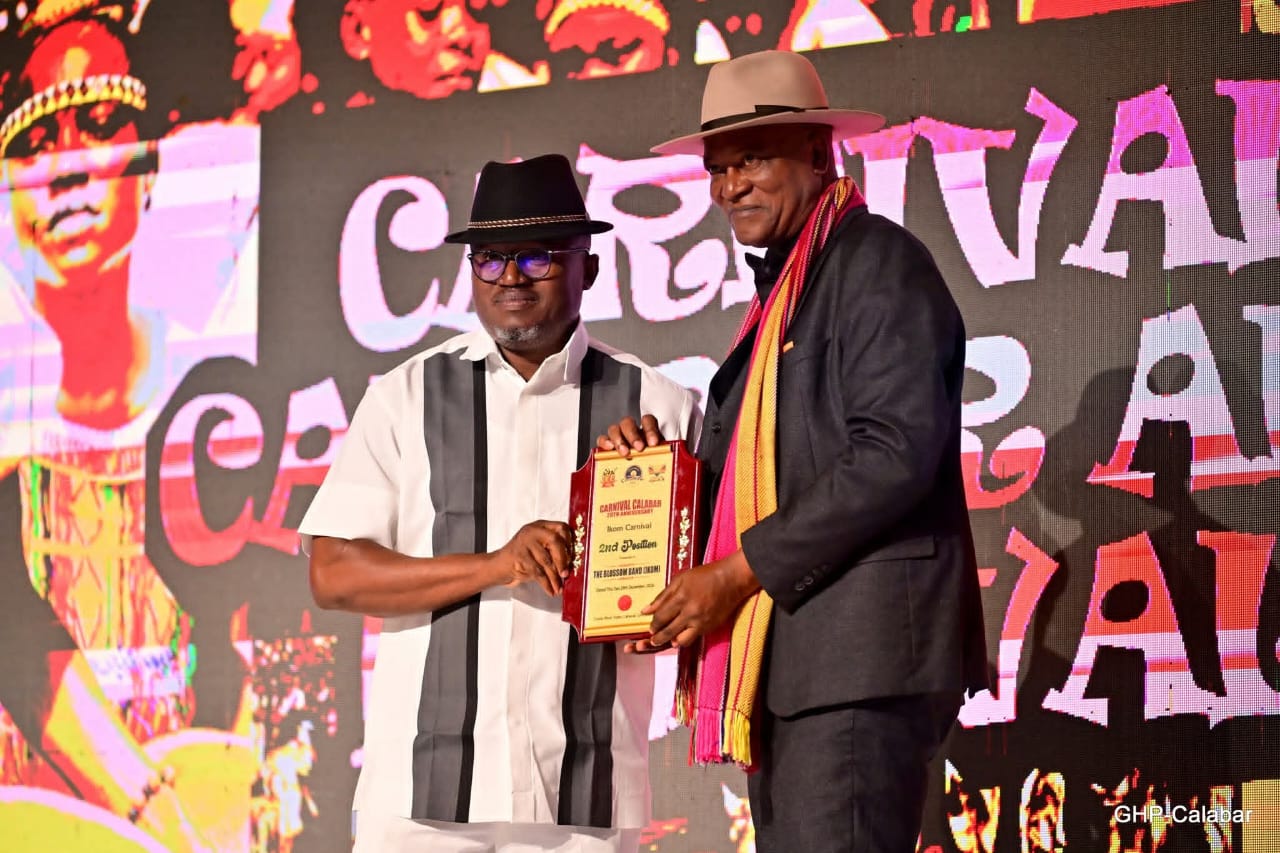
The atmosphere inside the Eko Hotel & Convention Centre in Victoria Island, Lagos, on Sunday evening was charged with excitement as tourism leaders, government officials, diplomats, cultural stakeholders, and members of the hospitality industry gathered for the unveiling of the Carnival Calabar 2026 theme, “Rethinking Our Collective Destiny.”
The event marked the official commencement of activities for the 21st edition of Carnival Calabar, widely regarded as Africa’s biggest street party. But beyond the announcement of the new theme, the evening also became a platform for reflection on the role the carnival has played in shaping Nigeria’s tourism landscape over the last two decades.
Among the most memorable moments of the night was the goodwill message delivered by renowned tourism promoter and travel advocate, Ikechi Uko, who described Carnival Calabar as one of the most significant tourism products ever created in Nigeria and a model for cultural tourism across Africa.
Addressing an audience that included leaders of tourism associations, tour operators, travel agents, tourism journalists, hospitality executives, and government representatives, Uko praised Cross River State for its consistency and long-term commitment to building a tourism product capable of attracting attention beyond Nigeria’s borders.
Reflecting on the evolution of tourism in Nigeria, he drew a distinction between the rise of Detty December and the deliberate vision that birthed Carnival Calabar more than 20 years ago.
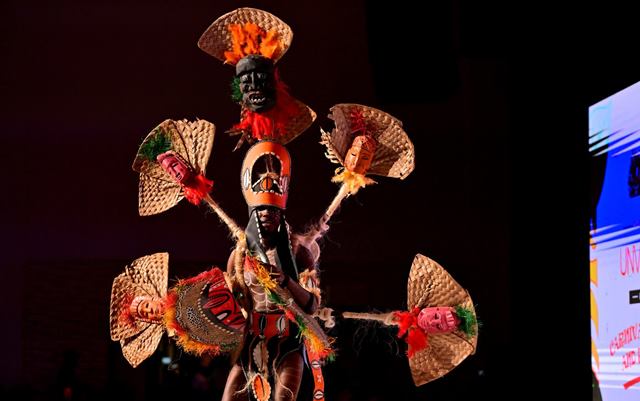
“Detty December happened to Lagos and other places by accident, by happenstance. We just woke up one day, and it happened. Cross River State, on its own, went out to build the institution, to build the infrastructure that has delivered one of the most powerful products Nigeria has to show the world.”
His remarks highlighted what he sees as one of Carnival Calabar’s greatest achievements: its intentional development as a tourism product rather than a spontaneous cultural movement.
Uko recalled how efforts to create a tourism season in Nigeria date back to 2004 when discussions around promoting a Harmattan tourism season began. According to him, Cross River State responded by creating Carnival Calabar, a decision that has since transformed the state into one of the country’s most recognizable tourism destinations.
He also pointed to the increasing visibility of Carnival Calabar in international media coverage, arguing that the festival has become one of the strongest visual representations of Nigeria’s cultural identity.
“If you notice in the last two years, every picture of Detty December in global media—The Guardian, BBC, CNN, Al Jazeera—they use visuals from Carnival Calabar. It’s not by accident.”
For Uko, the widespread use of carnival imagery reflects the festival’s growing influence in shaping how international audiences perceive Nigeria.
As global interest in African cultural experiences continues to rise, he noted that Carnival Calabar has become one of the country’s most recognizable cultural exports, showcasing creativity, performance, and heritage on a scale few events can match.
Drawing from his recent travels across the country, including visits to the Ilorin Durbar and observations of the Ojude Oba Festival during the Ileya celebrations, Uko argued that Nigeria is beginning to establish identifiable tourism seasons capable of attracting visitors throughout the year.
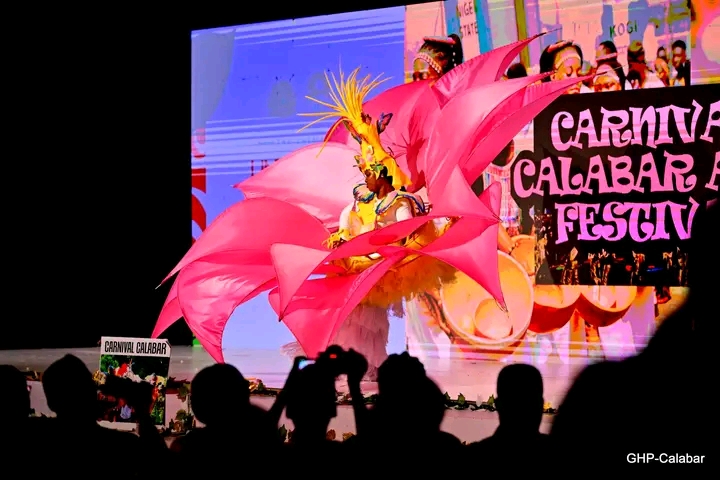
According to him, the country now benefits from two major periods of cultural tourism activity: the December festive season, anchored by Carnival Calabar and Detty December, and the Salah season, driven by traditional festivals and cultural celebrations in different parts of the country.
He described this development as evidence that Nigeria’s cultural tourism industry is gradually maturing and creating stronger opportunities for destination marketing.
Speaking directly to tourism professionals present at the event, Uko challenged tour operators, travel agents, tourism promoters, and industry associations to take a more active role in marketing Carnival Calabar internationally.
“Now Nigeria has a product that we are proud that we can take to the world.”
He urged stakeholders to develop tourism packages around the carnival and actively promote the festival to international travelers.
“By December this year, every single one of us will create a tour package, and we will sell it to the world.”
The call resonated with many in attendance, particularly as discussions around tourism diversification and destination branding continue to gain momentum across the country.
Uko emphasized that Carnival Calabar has already established itself as a world-class event and that the next phase of its growth depends on stronger collaboration between government and the private sector.
Throughout his address, he repeatedly praised Cross River State for sustaining the festival for more than two decades and for creating what he described as a tourism product with continental significance.
“You’ve given Africa the biggest contemporary event I can compare anywhere in the world.”
His comments drew applause from the audience and reinforced the significance of the evening’s theme unveiling.
The newly announced theme, “Rethinking Our Collective Destiny,” reflects a broader vision for the future of culture, tourism, and economic development in Cross River State. It also aligns with ongoing conversations about how festivals can serve as platforms for creativity, community engagement, and destination promotion.
As guests continued networking and discussions after the formal proceedings, Uko’s message remained one of the defining highlights of the evening.
For him, Carnival Calabar represents more than an annual celebration. It is proof that sustained investment in culture can create a globally recognized tourism asset capable of promoting not only a state but an entire nation.
As the carnival enters its third decade, his challenge to the tourism industry was clear: the product has been created, the platform has been built, and the world is paying attention. The responsibility now lies with tourism stakeholders to ensure that Carnival Calabar reaches even greater audiences in the years ahead.
By: Sam Opoku
