
The unveiling of the Carnival Calabar 2026 theme, “Rethinking Our Collective Destiny,” at Eko Hotels & Suites in Victoria Island, Lagos, unfolded as more than a ceremonial announcement on Nigeria’s tourism calendar.
It became a meeting point for two powerful cultural forces shaping the country’s contemporary identity: the long-standing spectacle of Carnival Calabar and the increasingly global phenomenon known as Detty December.
As tourism stakeholders, diplomats, hospitality executives, cultural enthusiasts, and government representatives filled the hall, the conversation naturally widened beyond costumes and choreography. It turned toward a deeper question now shaping Nigeria’s cultural economy: how does a country nurture its most successful celebrations without losing their authenticity?
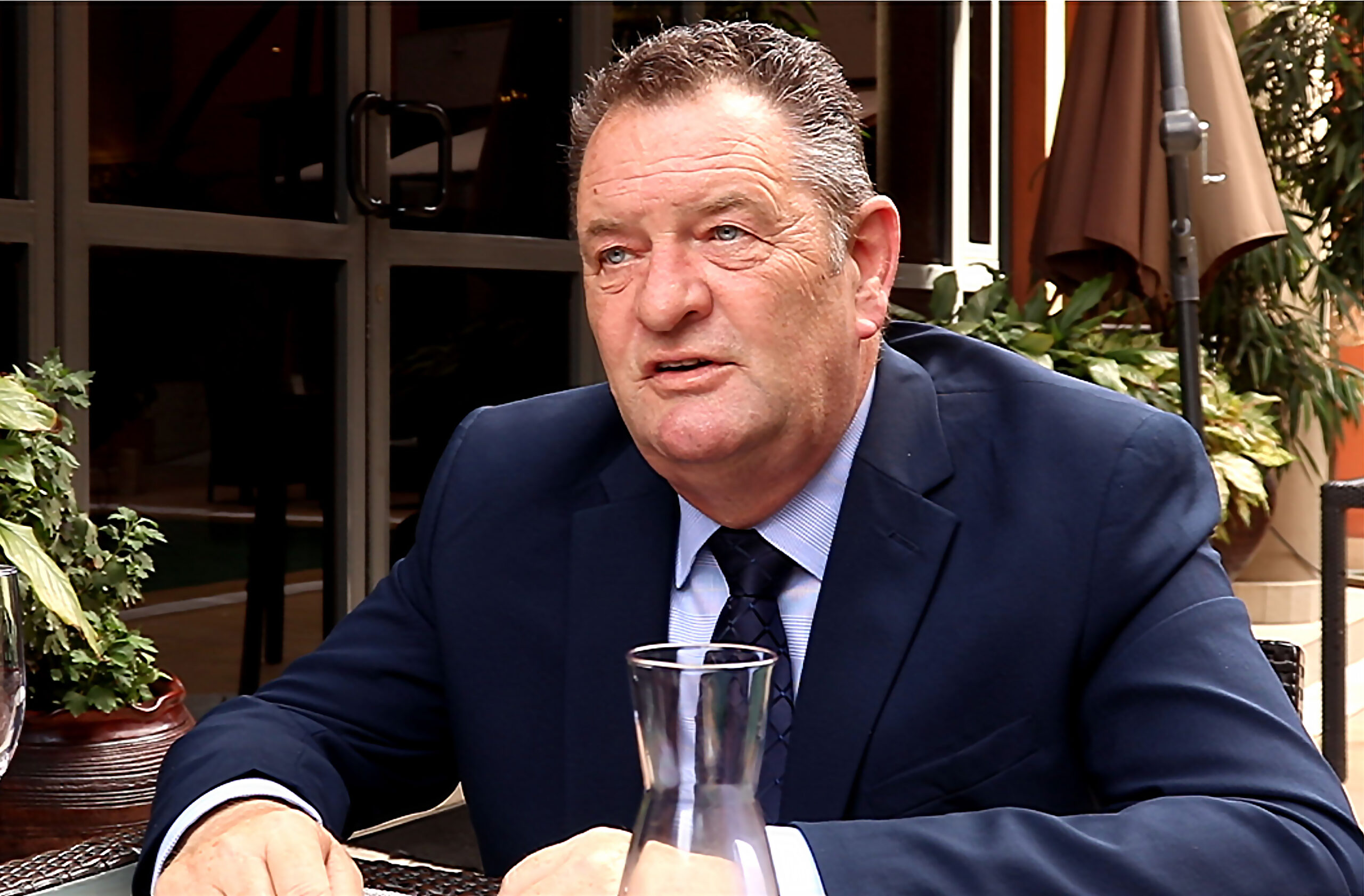
Among those offering perspective was Paul Kavanagh, General Manager of the Wheatbaker Hotel in Ikoyi, Lagos, a hospitality executive whose experience spans key tourism destinations in Nigeria, including Cross River State’s Obudu Mountain Resort and Tinapa. His reflections grounded the evening in a simple but uncomfortable tension: the most powerful cultural movements are often the least engineered.
A Theme for a Shifting Cultural Moment
Each year, Carnival Calabar’s theme becomes a creative brief for participating bands, who interpret it through costumes, music, choreography, and street performances that transform abstract ideas into public storytelling.
The 2026 theme, “Rethinking Our Collective Destiny,” arrives at a time when Nigeria’s cultural identity is no longer confined within its borders. Afrobeats has become a global sound, Nigerian fashion continues to influence international runways, and cultural festivals are increasingly part of the country’s soft power narrative.
Inside the Lagos venue, discussions around tourism development, heritage preservation, and international visibility reflected that momentum. Yet beneath the optimism lay a quieter recognition: some of Nigeria’s most influential cultural movements were not designed in boardrooms or policy papers—they emerged from lived experience.
Detty December is one of them.
Paul Kavanagh: A Hospitality Lens on Two Cultural Worlds
From his position at the Wheatbaker Hotel, Paul Kavanagh observes the movement of people through Nigeria’s festive season in real time—international visitors arriving through Lagos, returning Nigerians reconnecting with home, and domestic travellers moving between cultural hotspots.
That vantage point has shaped his understanding of how Carnival Calabar and Detty December increasingly intersect.
Visitors who land in Lagos for the year-end festivities, he noted, often extend their journeys to Calabar, creating a travel rhythm that connects cities, industries, and experiences.
For Kavanagh, this is not accidental. It reflects a growing cultural economy built on participation rather than promotion: one driven by people seeking connection to place, identity, and memory.
The Unscripted Energy of Detty December
Few Nigerian cultural seasons have gained international attention as quickly as Detty December. What began as informal homecomings, concerts, and social gatherings has evolved into a globally recognised period of cultural return for Nigerians in the diaspora and international visitors alike.
But when asked how Nigeria could further maximise its potential, Kavanagh challenged the premise of control itself.
“The best thing that everybody can do is leave it alone. Don’t try and curate it. Don’t try and manipulate it. Don’t try and improve it.”
His argument was not anti-development. It was a defence of authenticity.
“It is an organic celebration of when people come home to see their families, to celebrate being Nigerian, and it has become a global phenomenon.”
In his view, Detty December works precisely because it was not designed as a product. It evolved naturally through behaviour, repetition, and shared expectation—an informal cultural rhythm that now shapes travel decisions and tourism flows.
For Kavanagh, attempts to over-structure such a phenomenon risk undermining what makes it valuable in the first place: its unpredictability.
Carnival Calabar: Structure That Still Feels Lived
If Detty December represents spontaneity, Carnival Calabar represents organisation—yet both, Kavanagh suggested, arrive at a similar cultural outcome.
Carnival Calabar has grown over two decades into a multi-layered festival that extends beyond its main street parade. It now includes children’s carnivals, biker processions, music showcases, and rehearsal events that stretch the season into weeks of public activity.
Despite its formal structure, Kavanagh described its essence as something more human than administrative.
“First and foremost, Carnival and Festival is for Calabar, and it is for the people of Cross River. But it extends way beyond Calabar. In fact, it extends around the world because it’s about raising the profile of Calabar, raising the profile of Nigeria.”
What makes the carnival resonate internationally, he implied, is not just its scale, but its visibility. In an age where cultural meaning is increasingly shaped online, Carnival Calabar has become both a street festival and a digital export—its costumes, performances, and street scenes circulating far beyond Nigeria’s borders.
Where Two Celebrations Meet
Although Carnival Calabar and Detty December differ in structure, they increasingly operate within the same cultural ecosystem.
Detty December draws people into Nigeria through informal networks of travel, music, and social tradition. Carnival Calabar anchors part of that movement with a structured cultural climax rooted in Cross River State.
Together, they form a seasonal arc of return, celebration, and rediscovery.
Kavanagh’s perspective highlights how this interplay is reshaping Nigeria’s tourism landscape. The country is no longer relying solely on packaged tourism products. Instead, it is witnessing the rise of layered cultural flows: some planned, others organic, working in parallel.
The Economics of Experience
Beyond culture, Kavanagh pointed to a more practical reality: tourism economies are ultimately built on experience, not intention.
Whether through Carnival Calabar or Detty December, visitors generate activity across hotels, restaurants, transport networks, and local businesses simply by participating.
Yet he cautioned against over-engineering the process.
“When people fly here, they will go to a restaurant. If it’s good, they’ll go back. If it’s not good, they won’t go back.”
The statement, stripped of complexity, returns tourism to its most basic principle: quality determines sustainability.
For Kavanagh, investment should focus less on controlling cultural expression and more on strengthening the systems that support it—hospitality standards, infrastructure, accessibility, and service delivery.
A Cultural Identity Still in Motion
The symbolism of the 2026 theme, “Rethinking Our Collective Destiny,” lies in its timing.
Nigeria’s cultural landscape is expanding rapidly, shaped by global attention, digital visibility, and rising interest in experiential tourism. Yet the success of its most recognised cultural exports suggests that authenticity remains the most valuable currency.
Carnival Calabar endures because it reflects the identity of Cross River State while remaining open to reinvention. Detty December thrives because it is not officially owned: it is collectively lived.
For Paul Kavanagh, these are not opposing models but complementary expressions of the same truth.
One is structured celebration. The other is spontaneous return. Both are expressions of belonging.
Looking Forward
As the Lagos unveiling concluded, the conversation it sparked lingered beyond the hall.
Nigeria’s cultural future, as reflected in both Carnival Calabar and Detty December, is not simply about scaling events or increasing attendance. It is about understanding how culture already moves—how people gather, travel, return, and reinterpret tradition in real time.
In that sense, Kavanagh’s reflections point to a quieter conclusion: the strength of Nigeria’s cultural economy may lie less in invention and more in recognition.
Carnival Calabar provides the stage. Detty December provides the movement. Between them, a broader story is already unfolding; one not defined by planning alone, but by people.
And in that unfolding, “Rethinking Our Collective Destiny” becomes less a slogan and more a description of what is already happening.
By: Sam Opoku
