
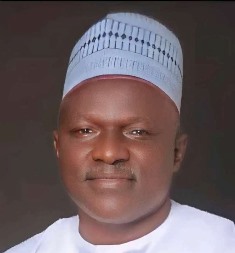
The Chairman of the Cultural Committee of the Nahwai Cultural Festival, Moses Mafwil Mabur, has highlighted the growing role of indigenous festivals in strengthening identity, unity, and tourism development in Nigeria. Mabur spoke during the Naija7Wonders Zoom Conference hosted by tourism Amb. Ikechi Uko, where stakeholders examined the theme “Festivals and Tourism in Nigeria: A New Pathway.”
Speaking on the evolution of the Nahwai Cultural Festival of the Butra people in Bokos Local Government Area of Plateau State, Mabur described cultural festivals as more than entertainment, noting that they serve as powerful expressions of identity and history. “A festival is a story told in songs and dances. It defines who a people are and preserves heritage even without written documentation,” he said. He explained that the Nahwai Festival, though historically rooted, gained renewed visibility and structure following reforms introduced by the traditional ruler, Engineer Dr. Gabriel Malo Makwal II, which helped elevate it to national recognition, including its ranking among Nigeria’s top festivals by Akwaaba African Travel Market.
Mabur noted that the festival has become a unifying platform for the Butra people, bringing together clans and communities in a shared effort to showcase their culture to the world. He added that its inclusion in Plateau State’s tourism calendar has enhanced destination appeal, while collaboration with the Nigerian Tourism Development Authority has provided technical insights to improve programming and global visibility. Beyond cultural preservation, he said the festival contributes to local economic development, creating opportunities for small businesses, artisans, transport operators and food vendors during the multi-day event.
Mabur also emphasized the festival’s role in reconnecting young people with their heritage amid the pressures of globalization. Through initiatives such as local beauty pageants, cultural competitions, and community-driven programming, the festival is helping to revive interest in indigenous language, traditions, and identity among younger generations. He further noted that the festival’s ancestral location, an historic settlement site of the Butra people, has become a hub for academic research, attracting scholars from institutions such as the University of Jos and Plateau State University. The site, which features cultural landmarks and natural formations, serves as both a memorial and a living heritage space.
Despite its progress, Mabur identified several challenges affecting the growth of cultural festivals in Nigeria, including limited funding, insecurity and the influence of globalization. He warned that insecurity in parts of Plateau State has, at times, forced the cancellation of the festival and discouraged potential visitors, while funding constraints continue to limit expansion. He also raised concerns about cultural dilution, as some festivals adopt external influences at the expense of their unique identity. Mabur stressed that leadership and an enabling environment remain critical to the success of cultural tourism initiatives. “The atmosphere created by leaders determines whether these initiatives thrive or fail. Without support, even the best ideas cannot succeed,” he said.
He expressed optimism that continued platforms like Naija7Wonders would amplify lesser-known festivals and unlock their tourism potential, positioning them as key drivers of cultural preservation and economic growth. Mabur concluded that with the right support and strategic development, festivals like Nahwai can play a significant role in showcasing Nigeria’s diverse cultural “mysteries” to the global stage.
