
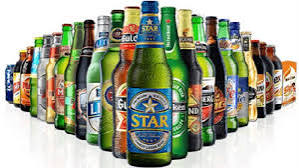
Nigerians spent an estimated ₦1.41 trillion on beer, malt and spirits during the first half of 2026, as the country’s three largest brewing companies recorded stronger revenues and improved profitability despite inflationary pressures and changing consumer preferences.
The figures are based on the half-year financial statements of Nigerian Breweries Plc, International Breweries Plc and Guinness Nigeria Plc, which together account for about 90% of Nigeria’s formal brewing industry.
According to the analysis by Nairametrics, the combined revenue of the three brewers was driven by price adjustments introduced earlier in the year, sustained consumer demand across beverage categories and continued investment in production and marketing. Despite a gradual shift by younger consumers towards spirits, wine, ready-to-drink beverages and non-alcoholic drinks, the brewing industry maintained solid sales growth.
Nigerian Breweries, the industry’s market leader, generated ₦803.7 billion in revenue during the six-month period, representing a 9% increase from the corresponding period in 2025. International Breweries reported revenue of ₦342.1 billion, largely unchanged from the previous year, while Guinness Nigeria, now managed by the Tolaram Group following Diageo’s divestment, recorded an 11.8% increase in revenue to ₦265 billion as it expanded its beverage portfolio and targeted younger consumers.
The report noted that industry revenue growth was largely supported by price increases implemented in March 2026 to offset rising operating costs, higher raw material prices and inflationary pressures. The impact became more pronounced in the second quarter, with combined revenue rising to ₦696 billion between April and June, compared with ₦640 billion during the same period in 2025. Profitability also improved significantly across the sector. Combined profit before tax rose by nearly 24% to ₦269.4 billion, up from ₦217.5 billion in the first half of 2025. The stronger earnings were attributed to improved pricing, lower financing costs and reduced pressure from foreign exchange losses and raw material expenses, signalling a recovery from the financial challenges experienced after the naira’s sharp depreciation in 2023 and 2024.
Among the brewers, International Breweries recorded the strongest improvement in profit margins after successfully reducing raw material costs, while Guinness Nigeria benefited from lower borrowing costs and easing foreign exchange pressures. Nigerian Breweries also strengthened its profitability, reflecting improved operational efficiency and sustained market leadership. The report highlighted that competition within Nigeria’s beverage market is becoming increasingly intense as companies diversify beyond traditional beer. Guinness Nigeria, for example, continues to expand its portfolio with brands such as Captain Morgan, Gordon’s, Orijin, Smirnoff Ice, Malta Guinness and Dubic Malt to meet evolving consumer tastes.
Brewers also maintained significant investments during the period, spending a combined ₦130.6 billion on marketing and advertising and ₦103.3 billion on capital expenditure to strengthen production capacity and support long-term growth. Despite the stronger financial performance, investors remained cautious, with share prices reflecting concerns about the sustainability of earnings amid changing consumer behaviour and broader macroeconomic uncertainties. Nevertheless, the half-year results underscore the resilience of Nigeria’s formal brewing industry and its ability to adapt to evolving market conditions while maintaining strong revenue growth.
